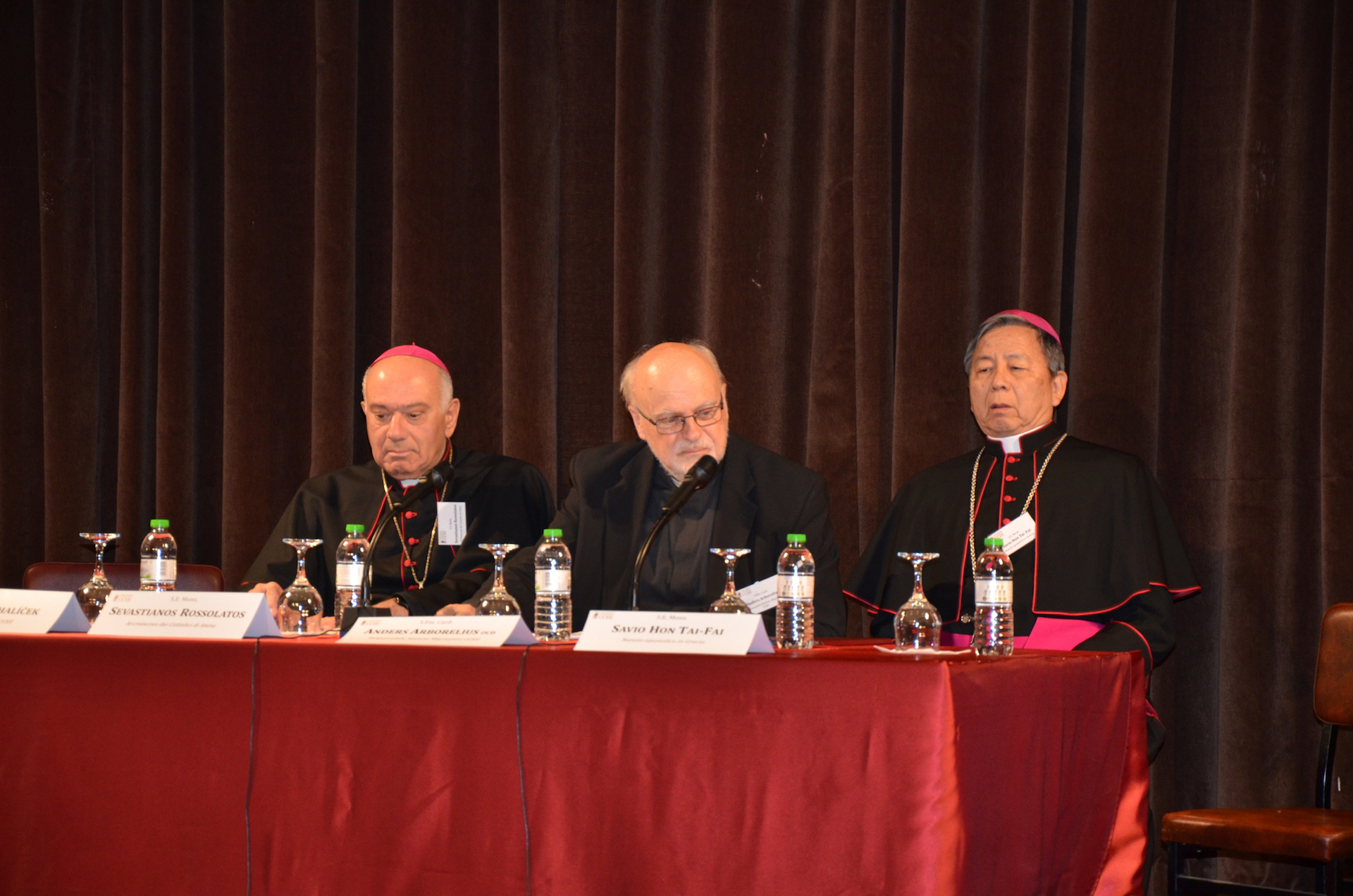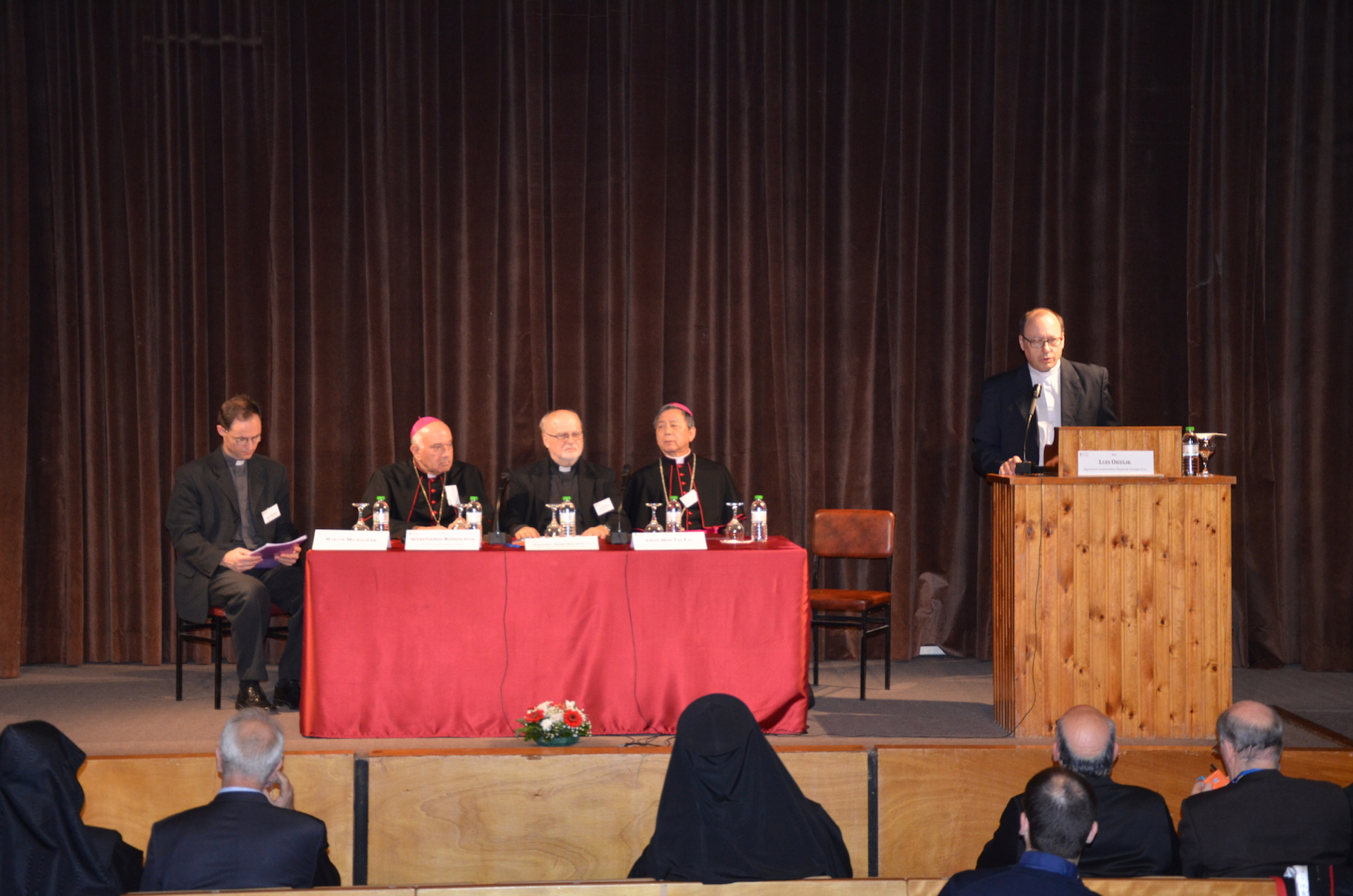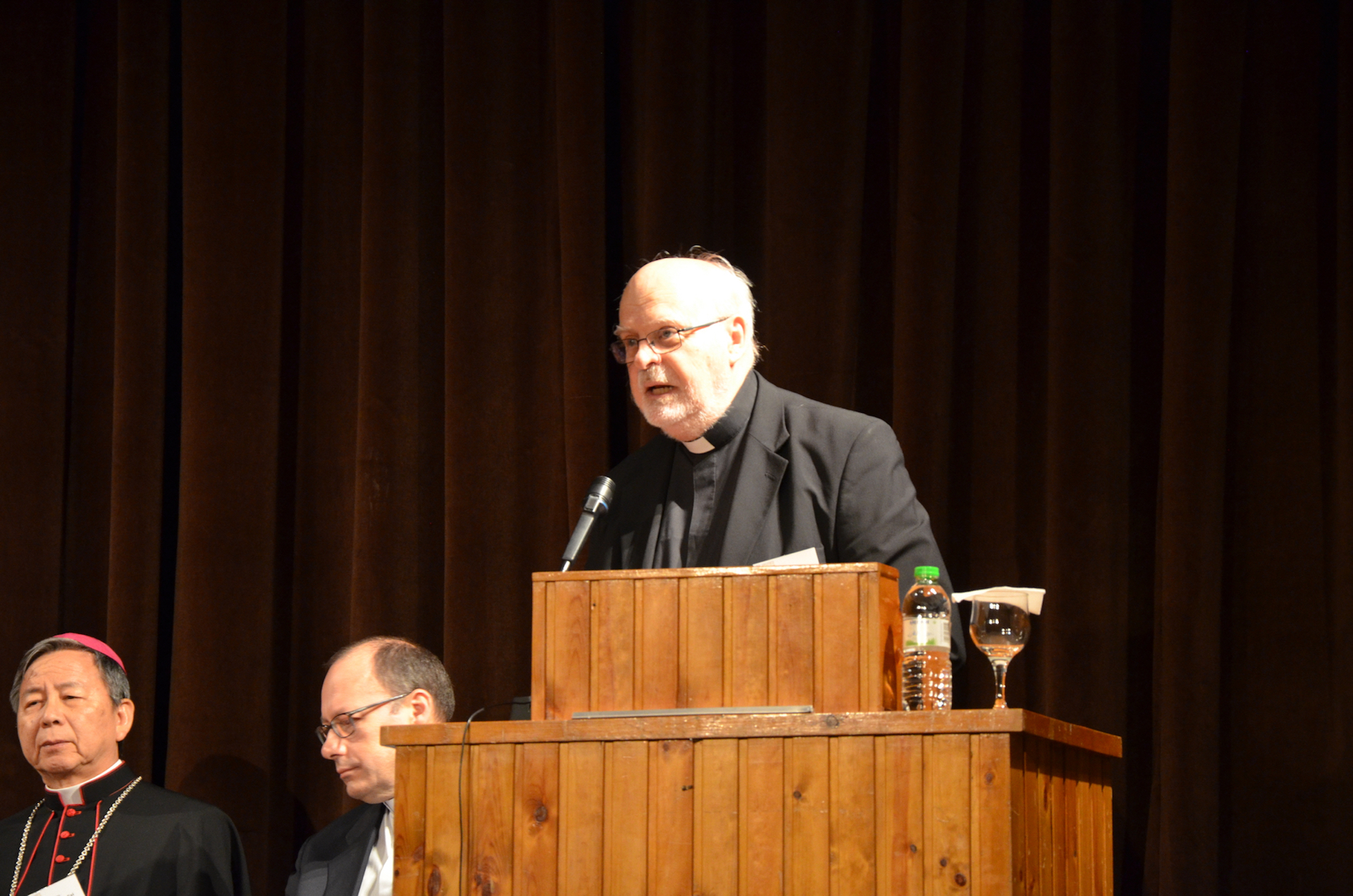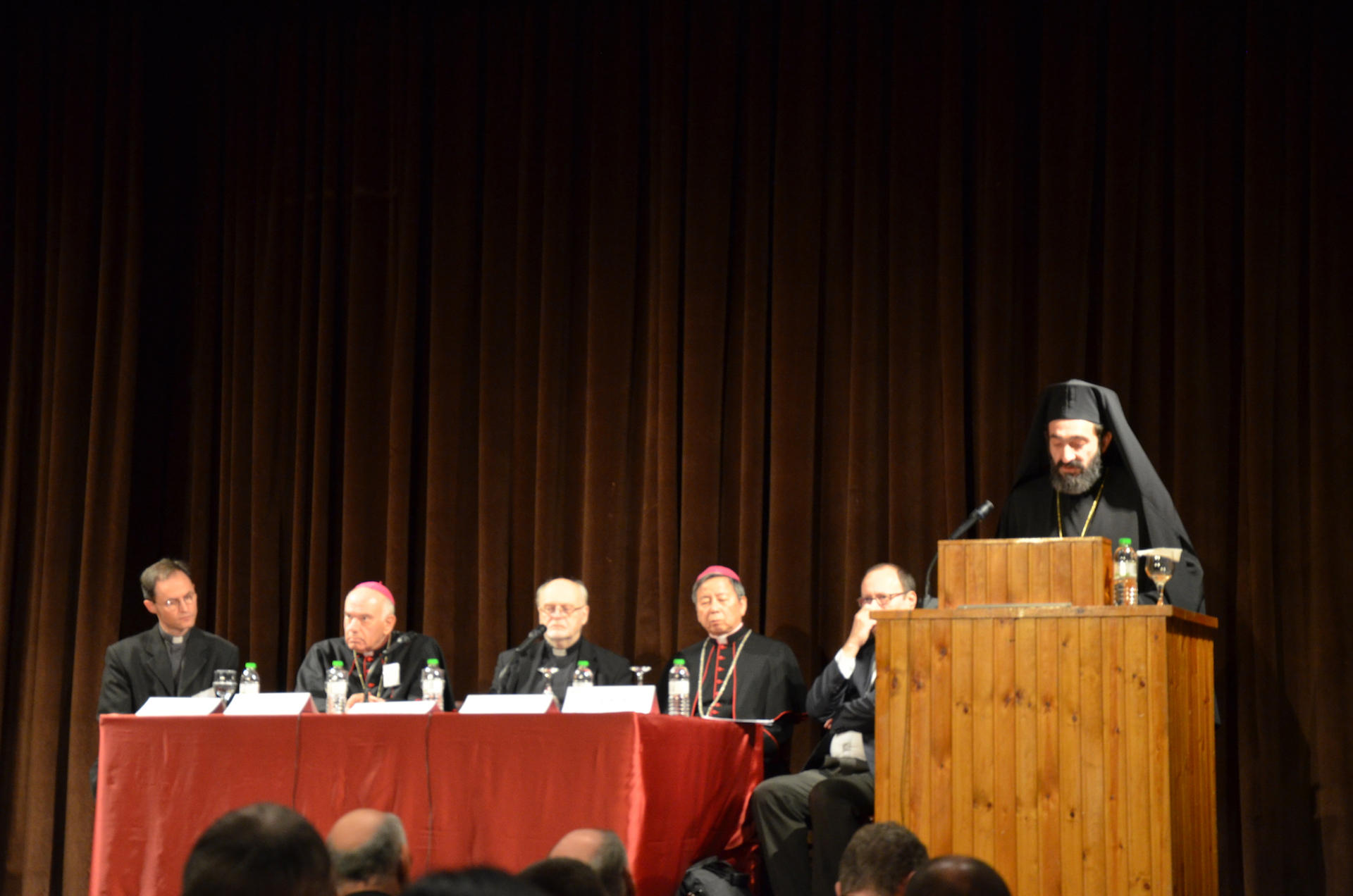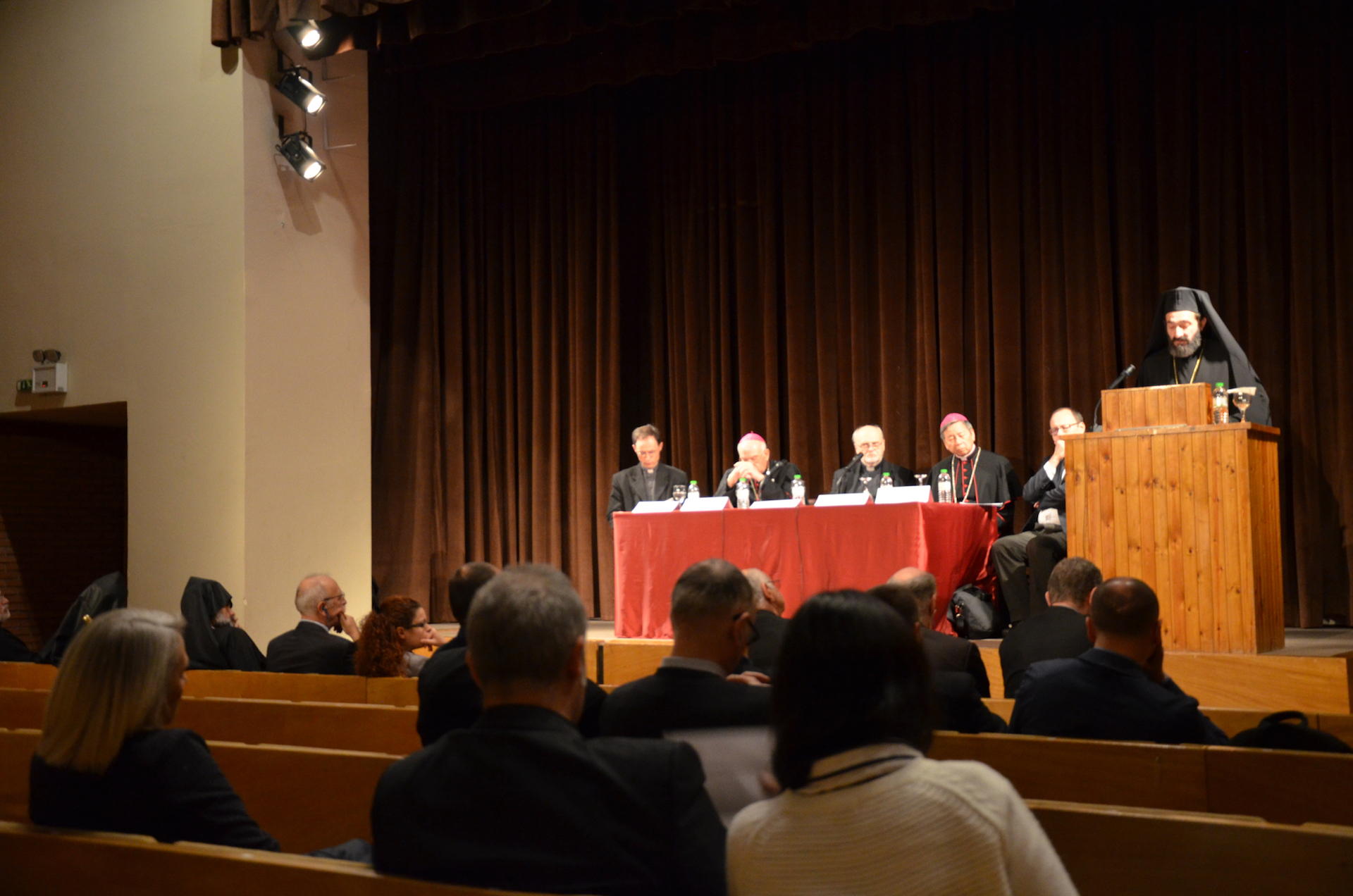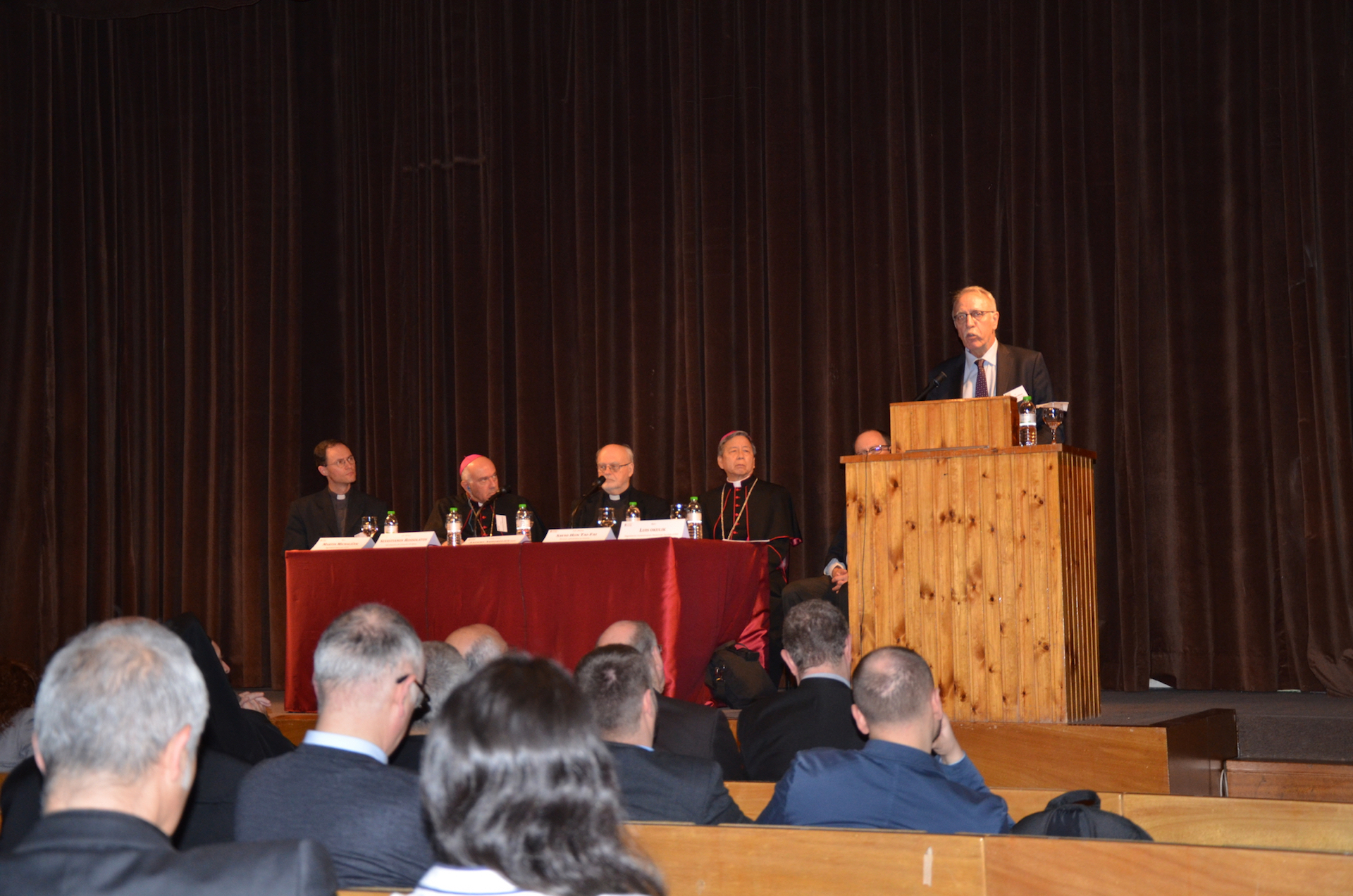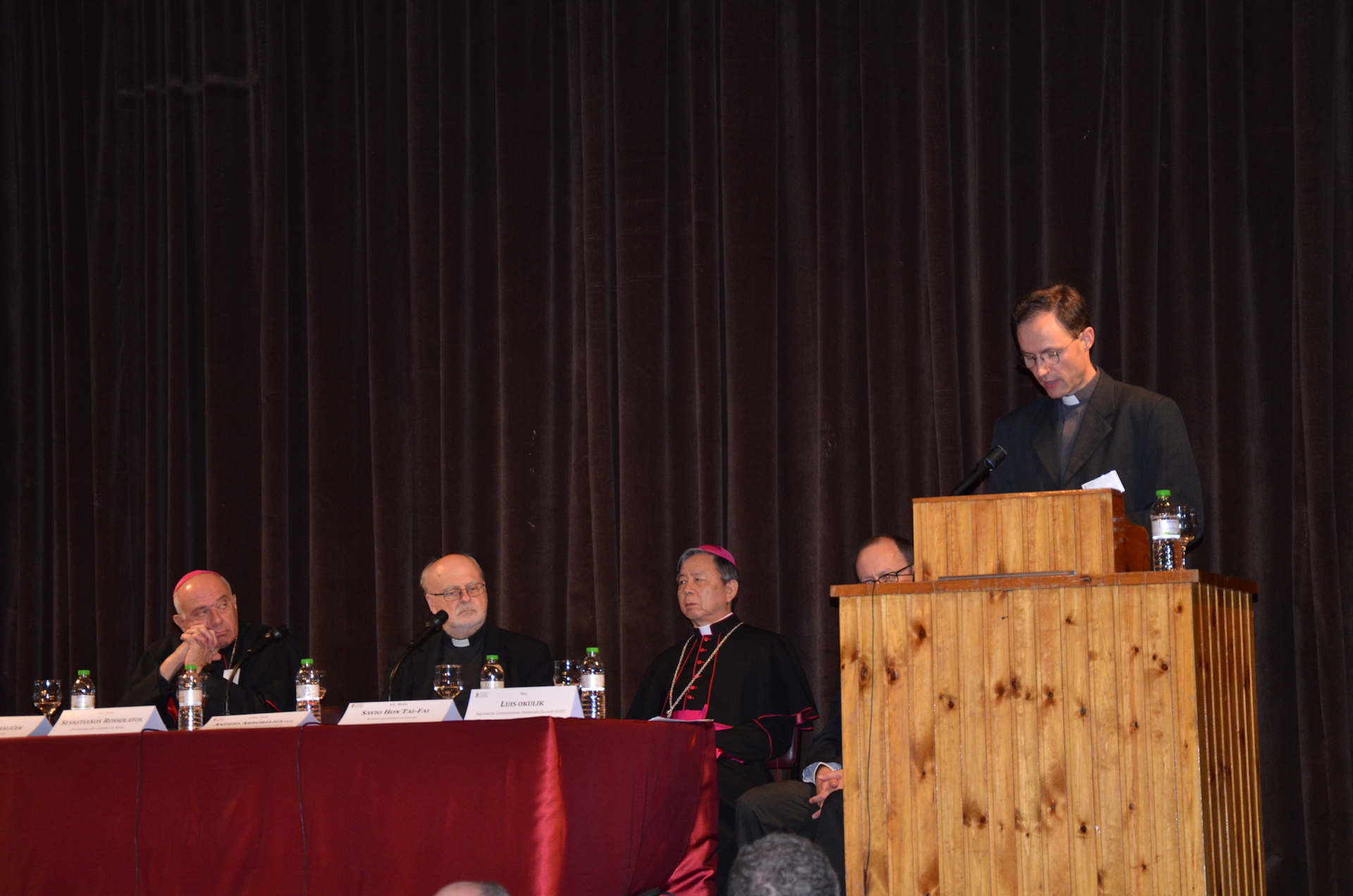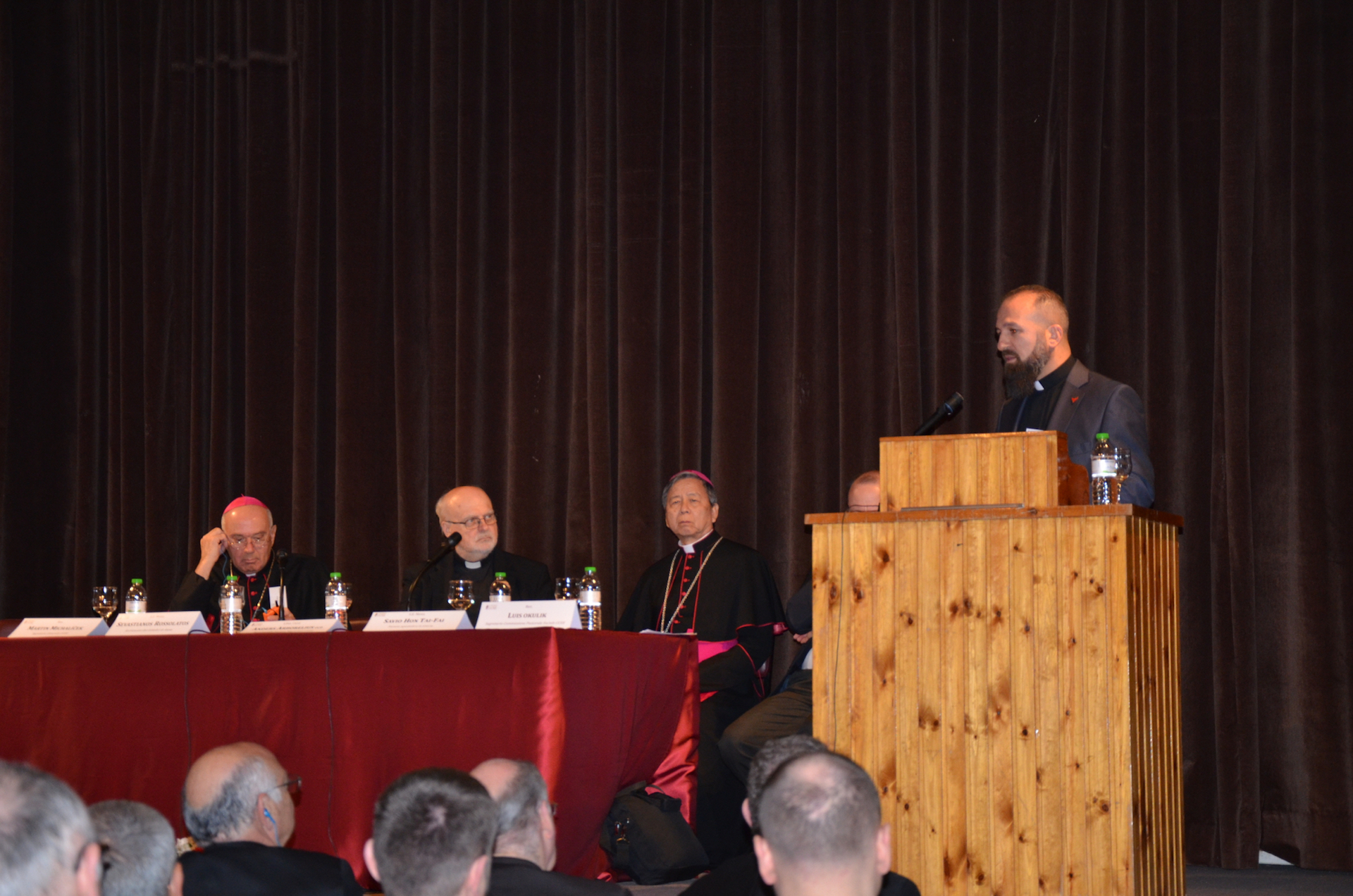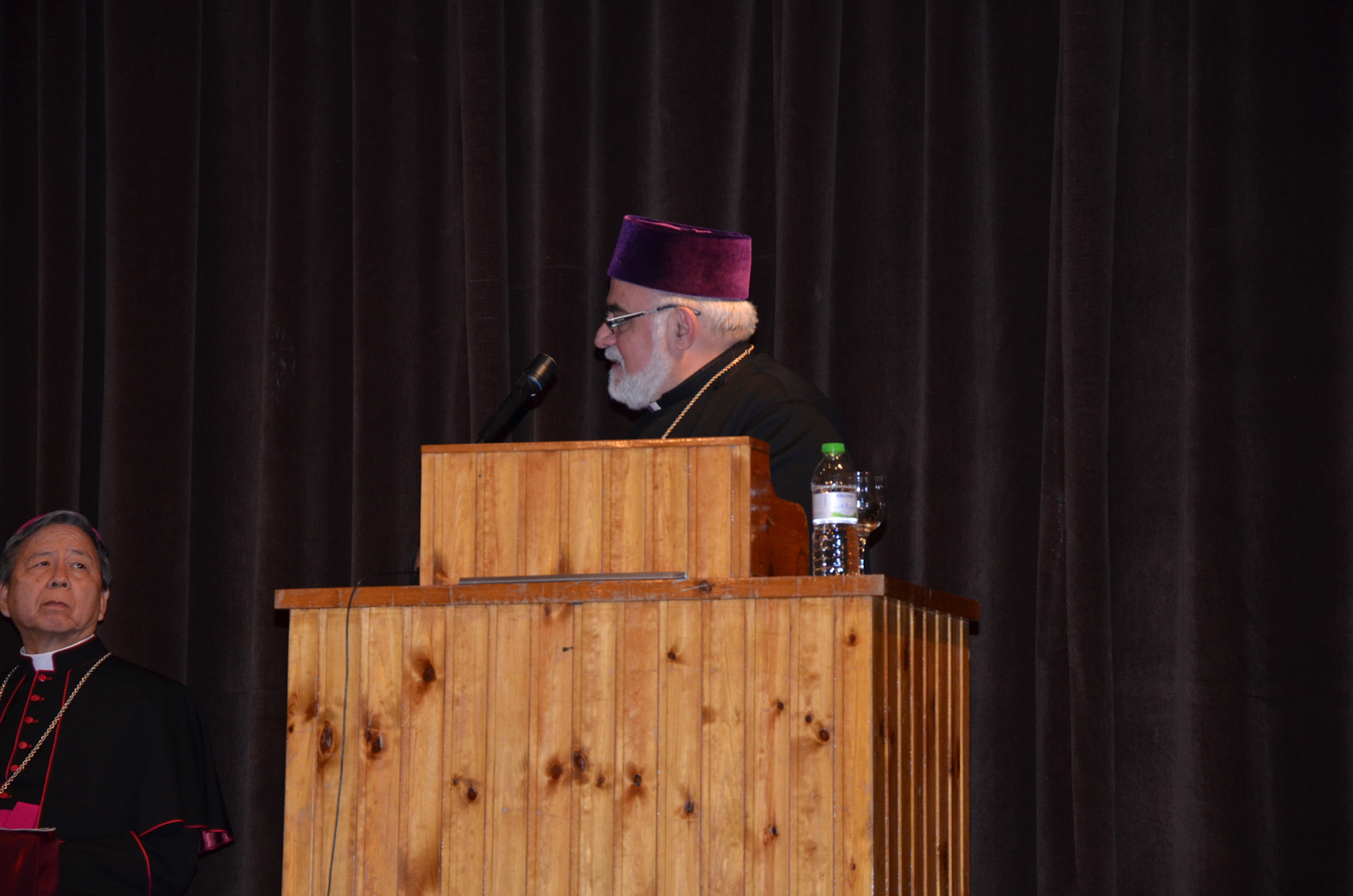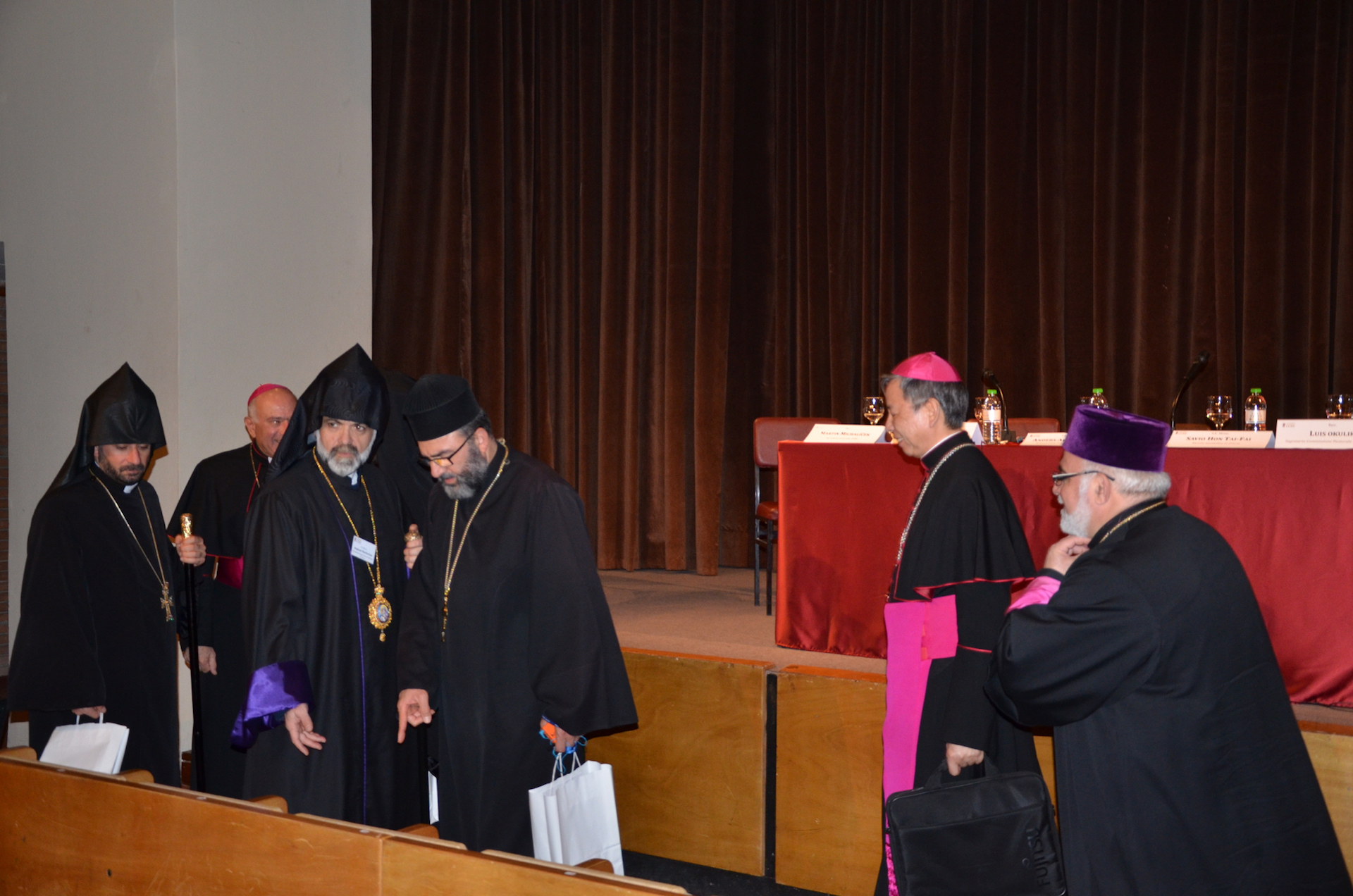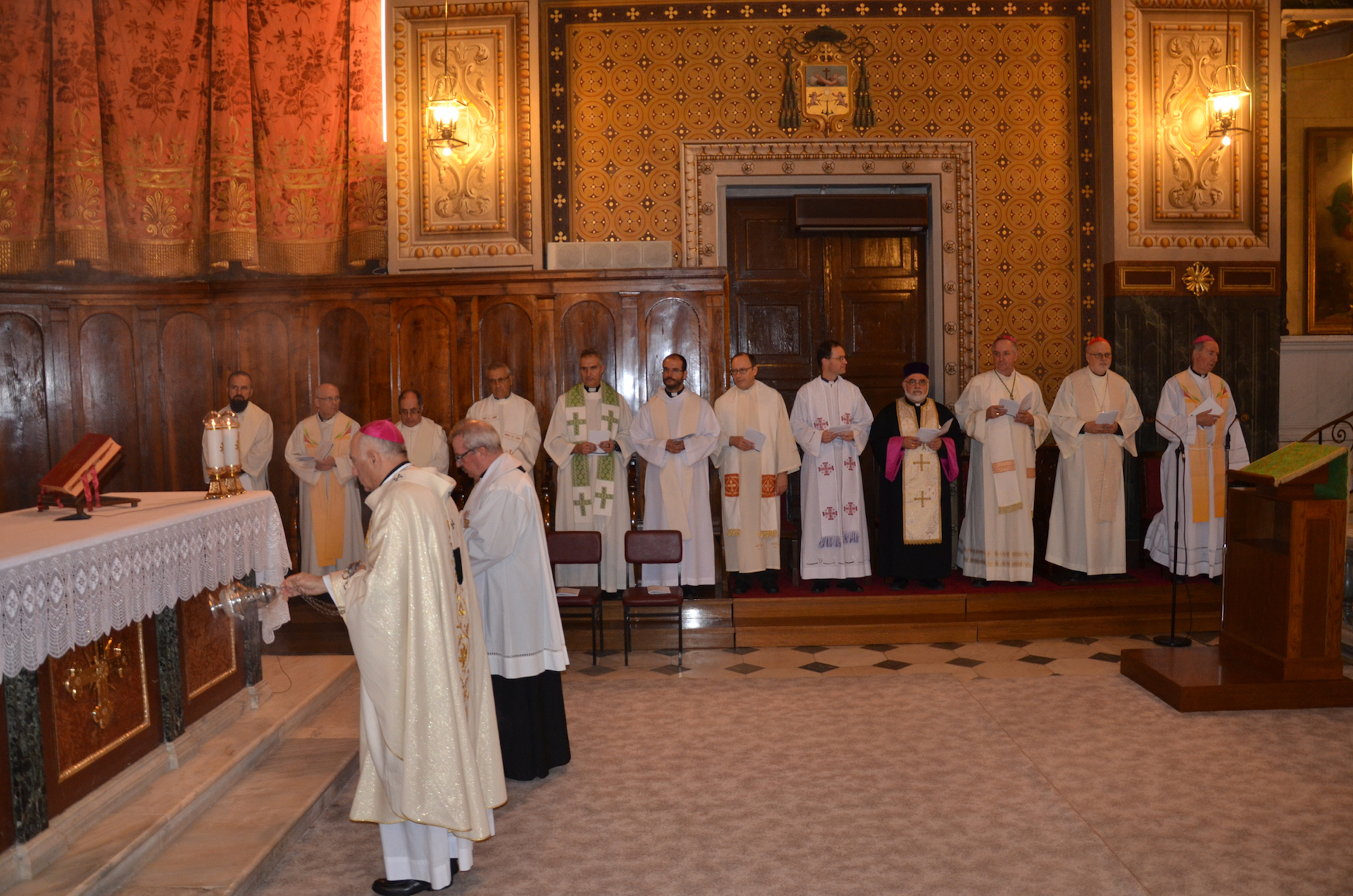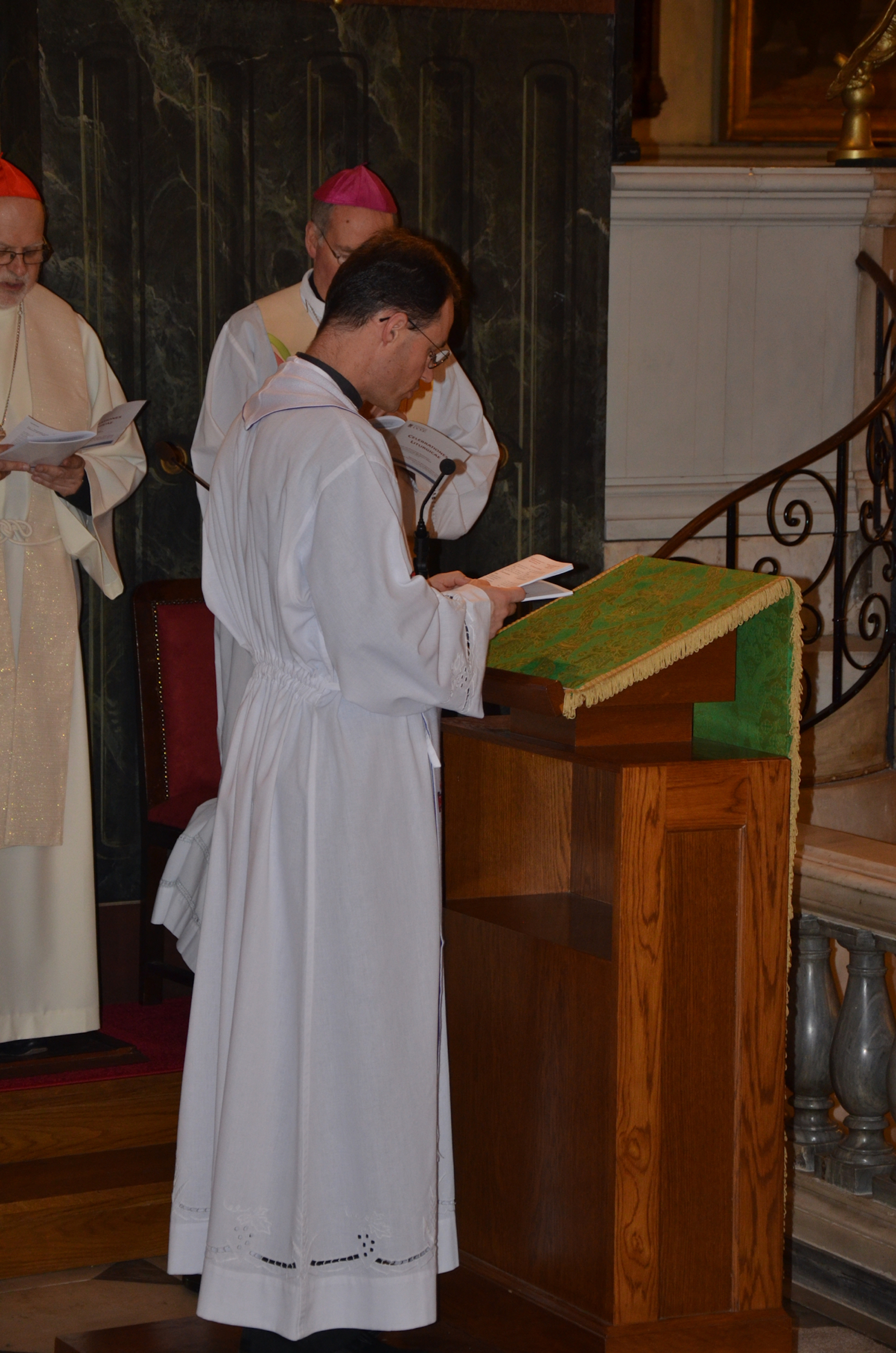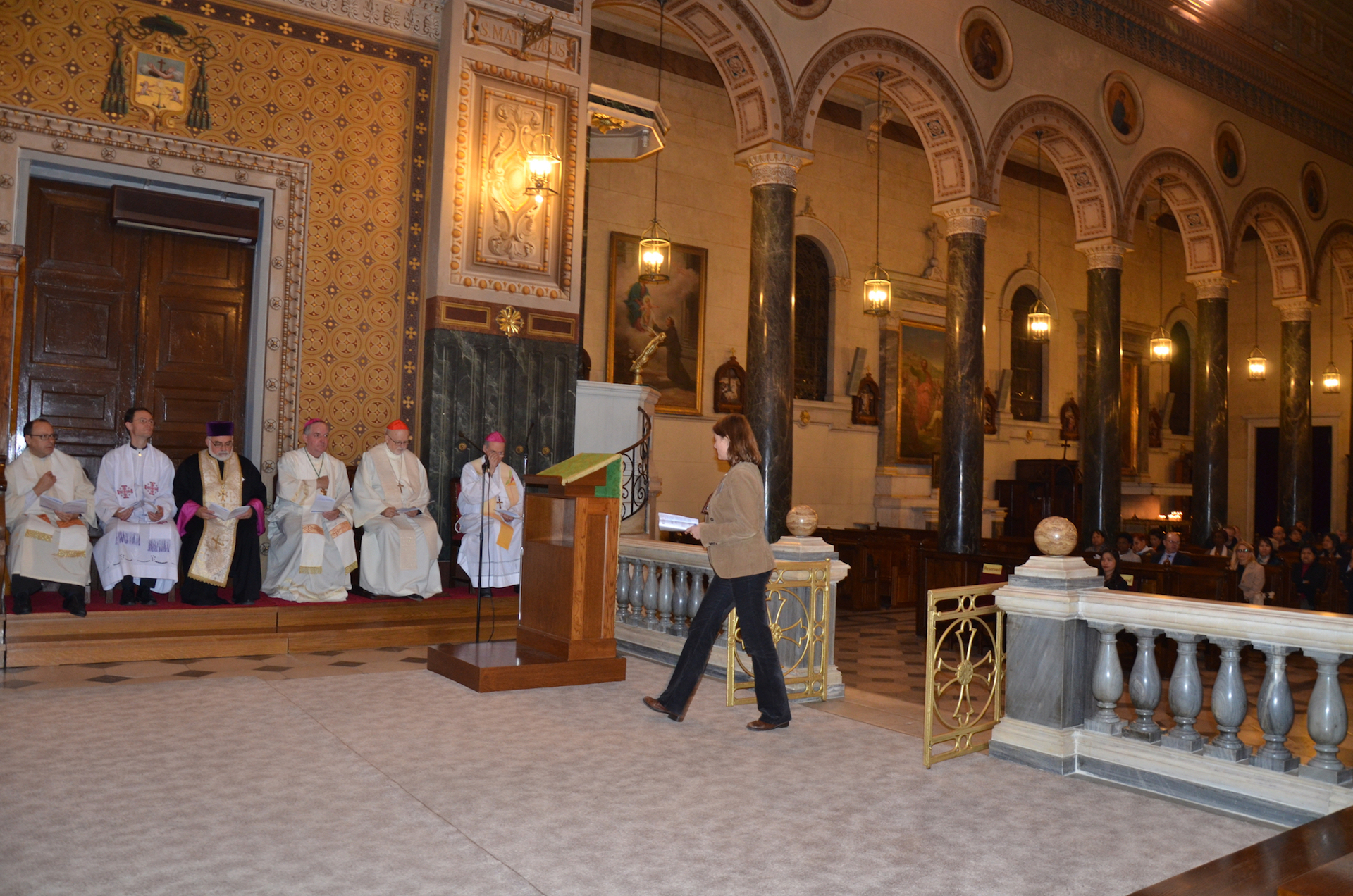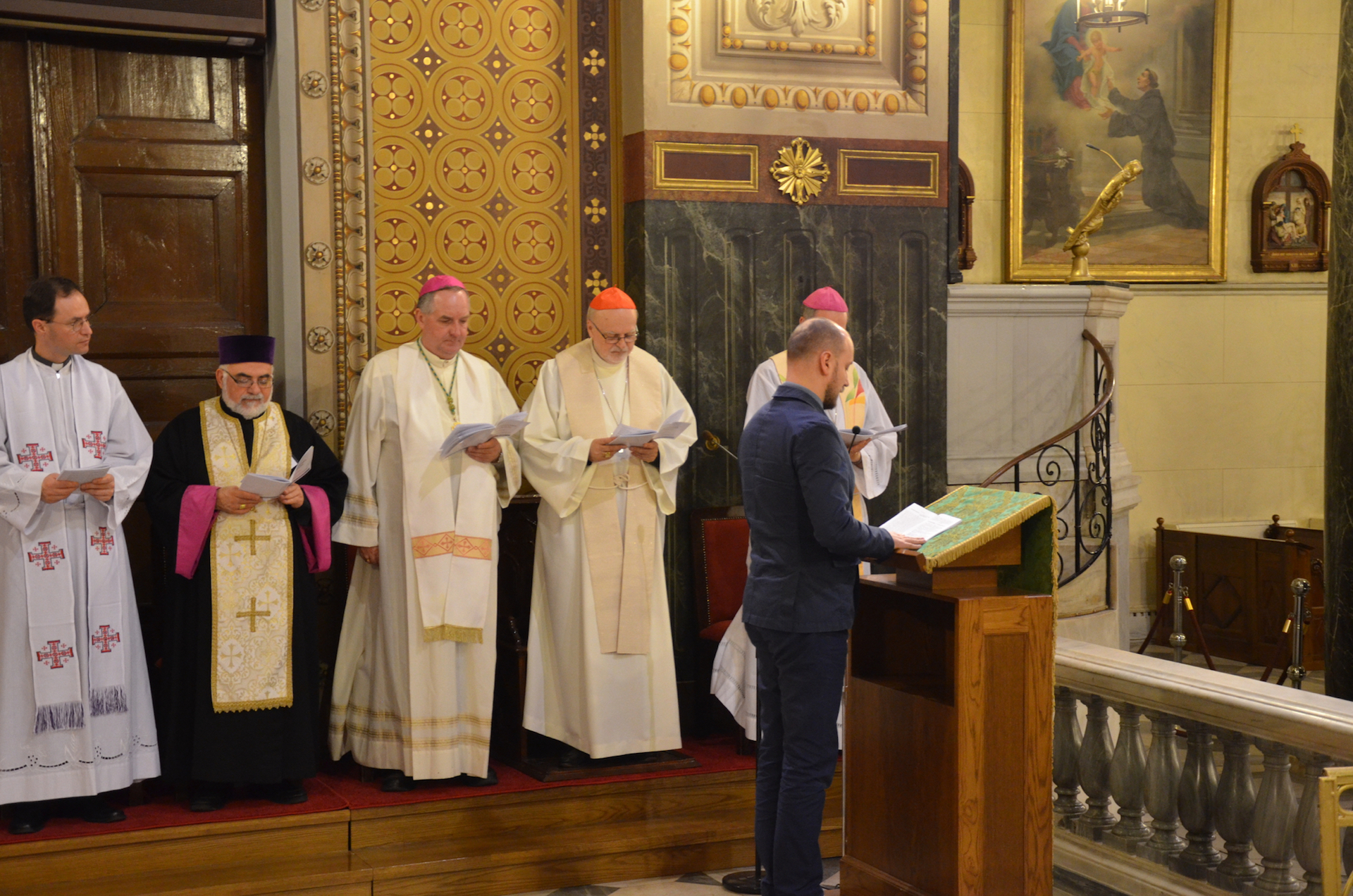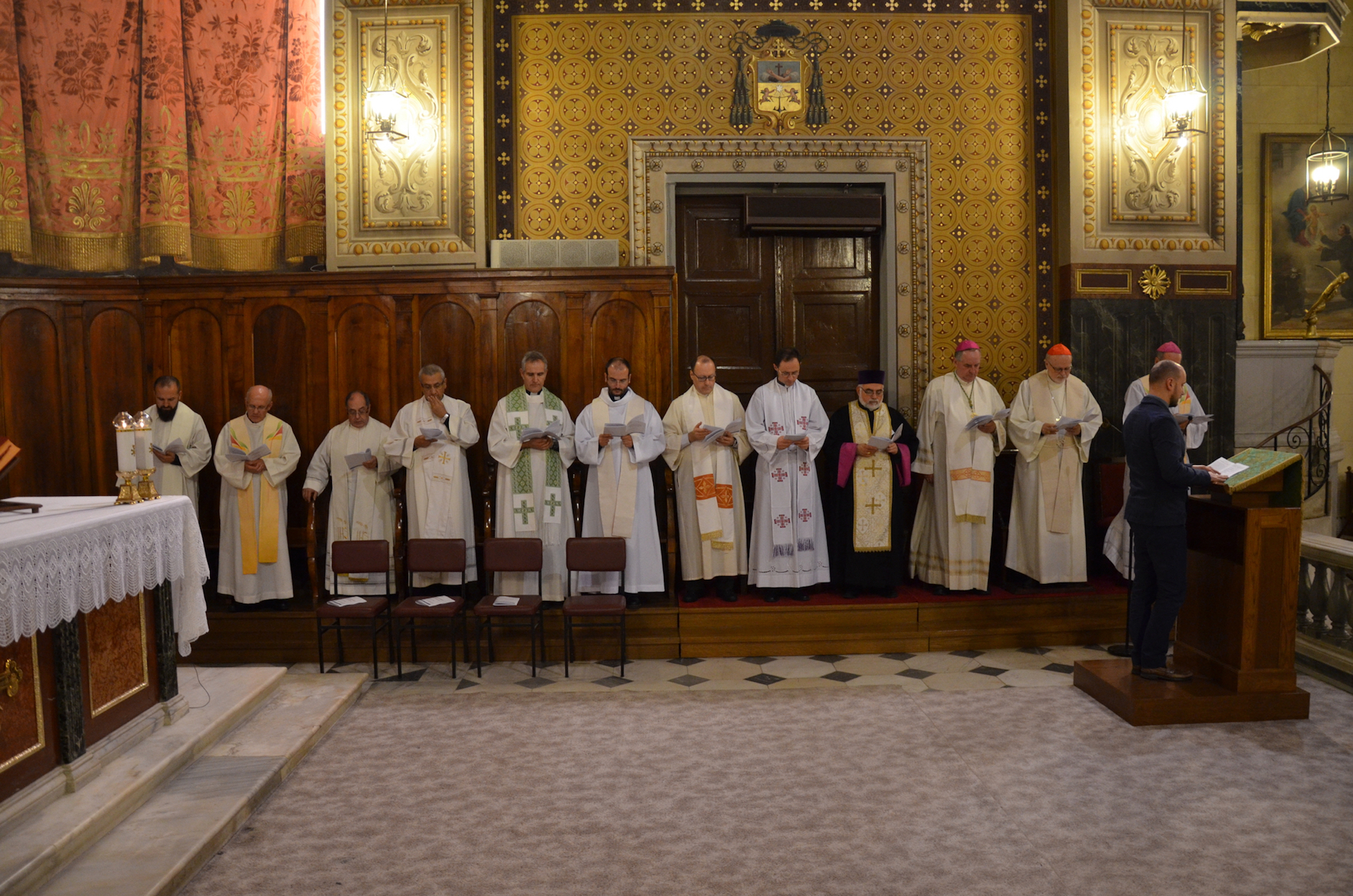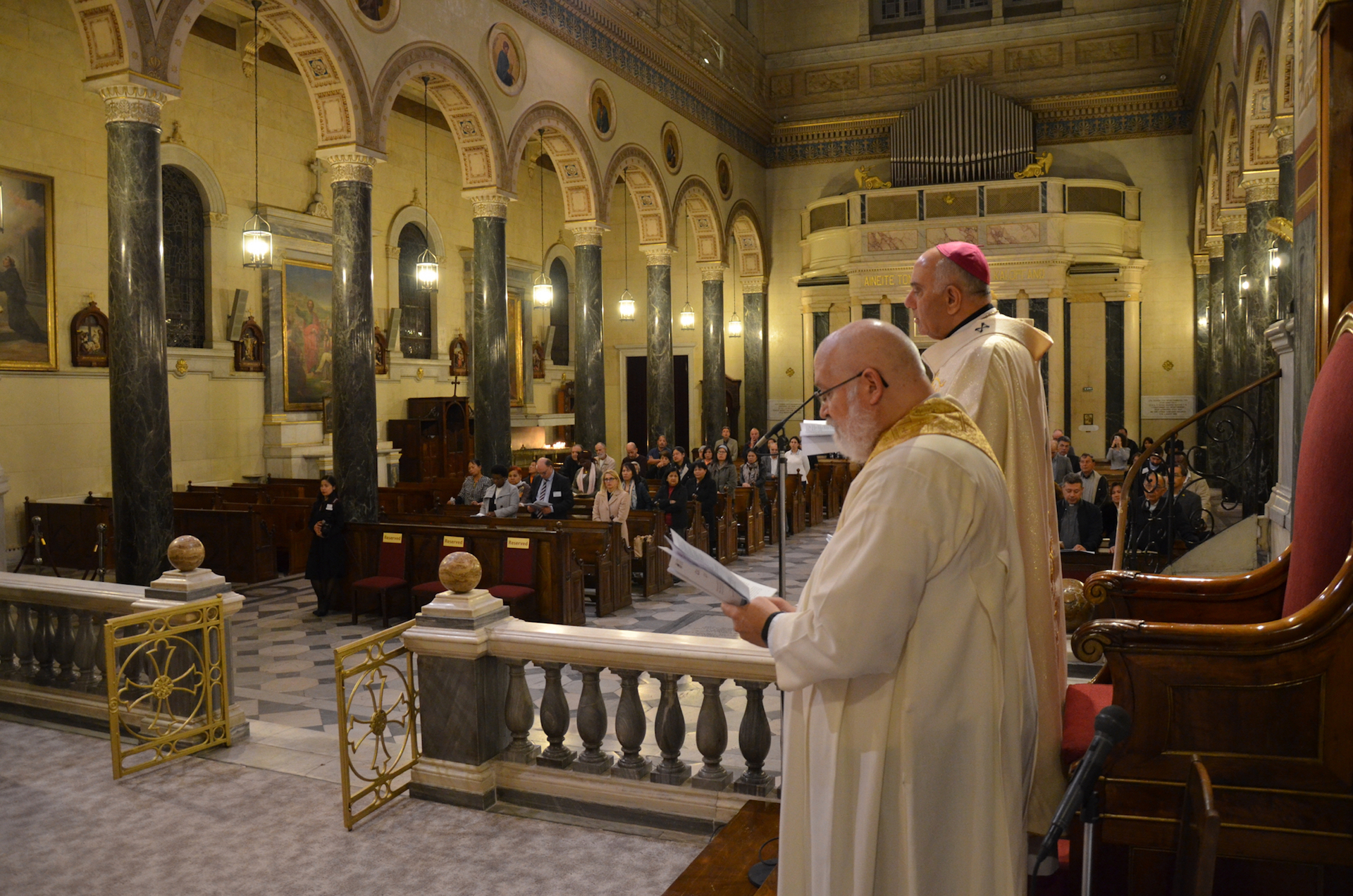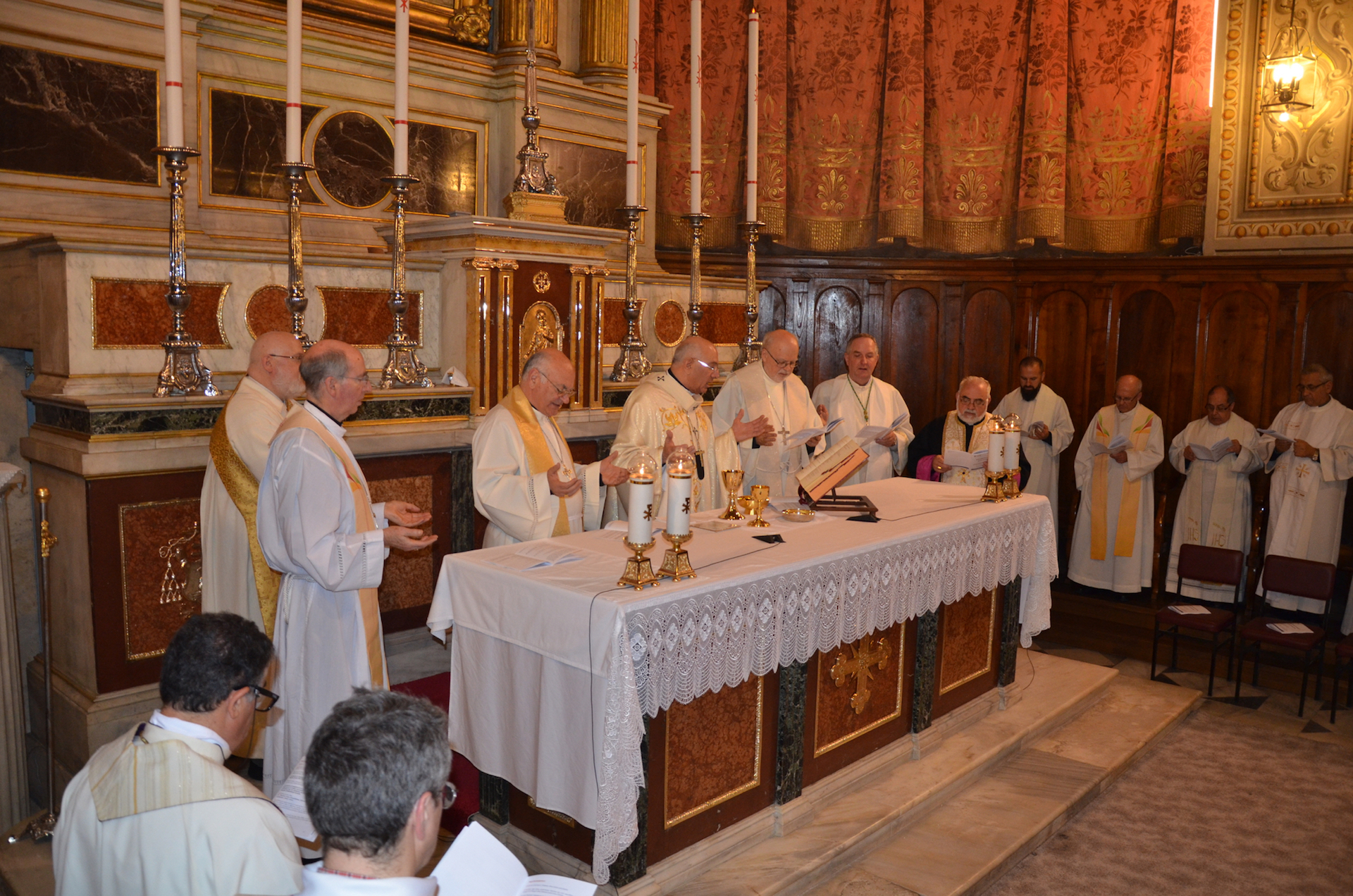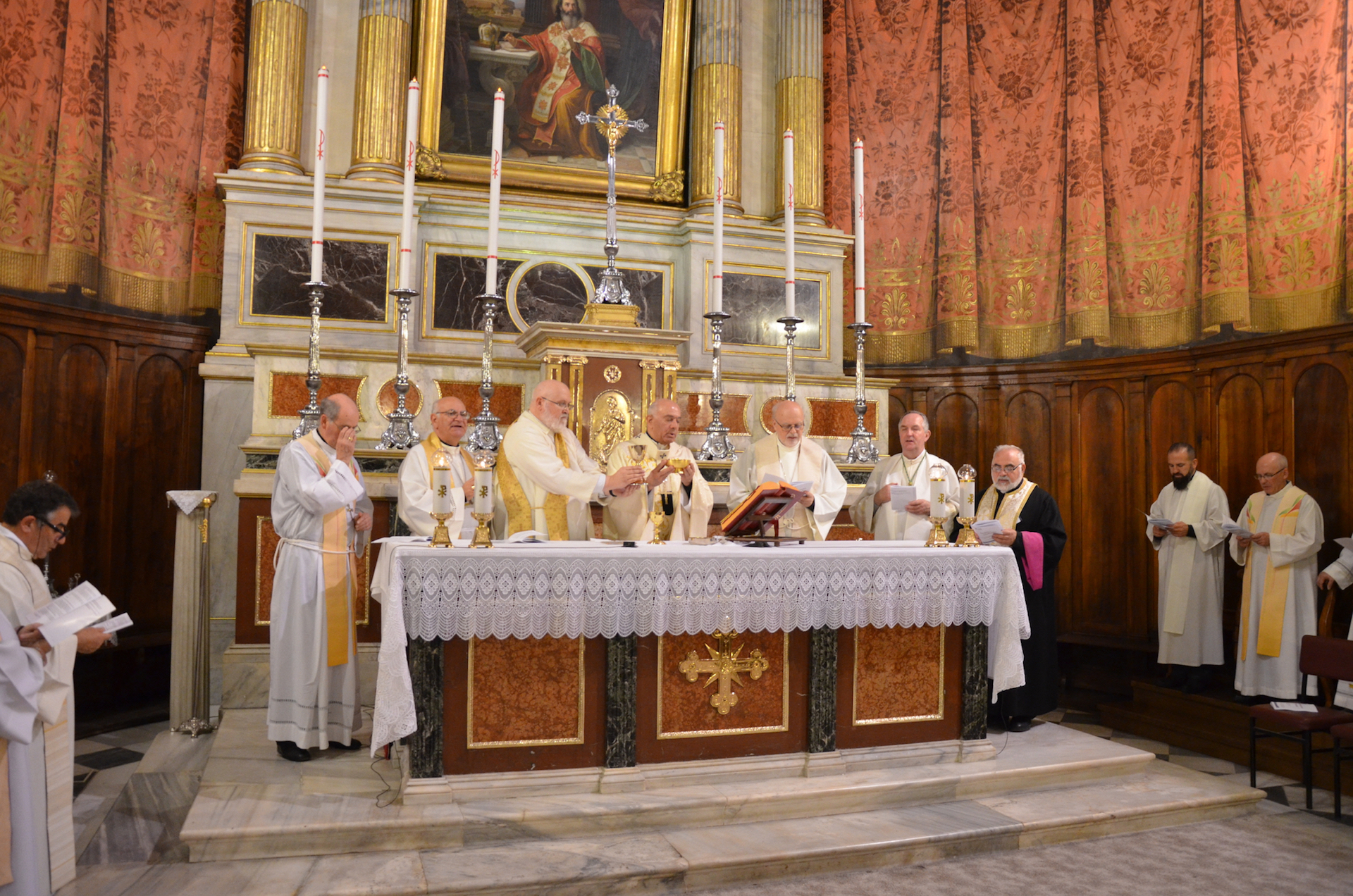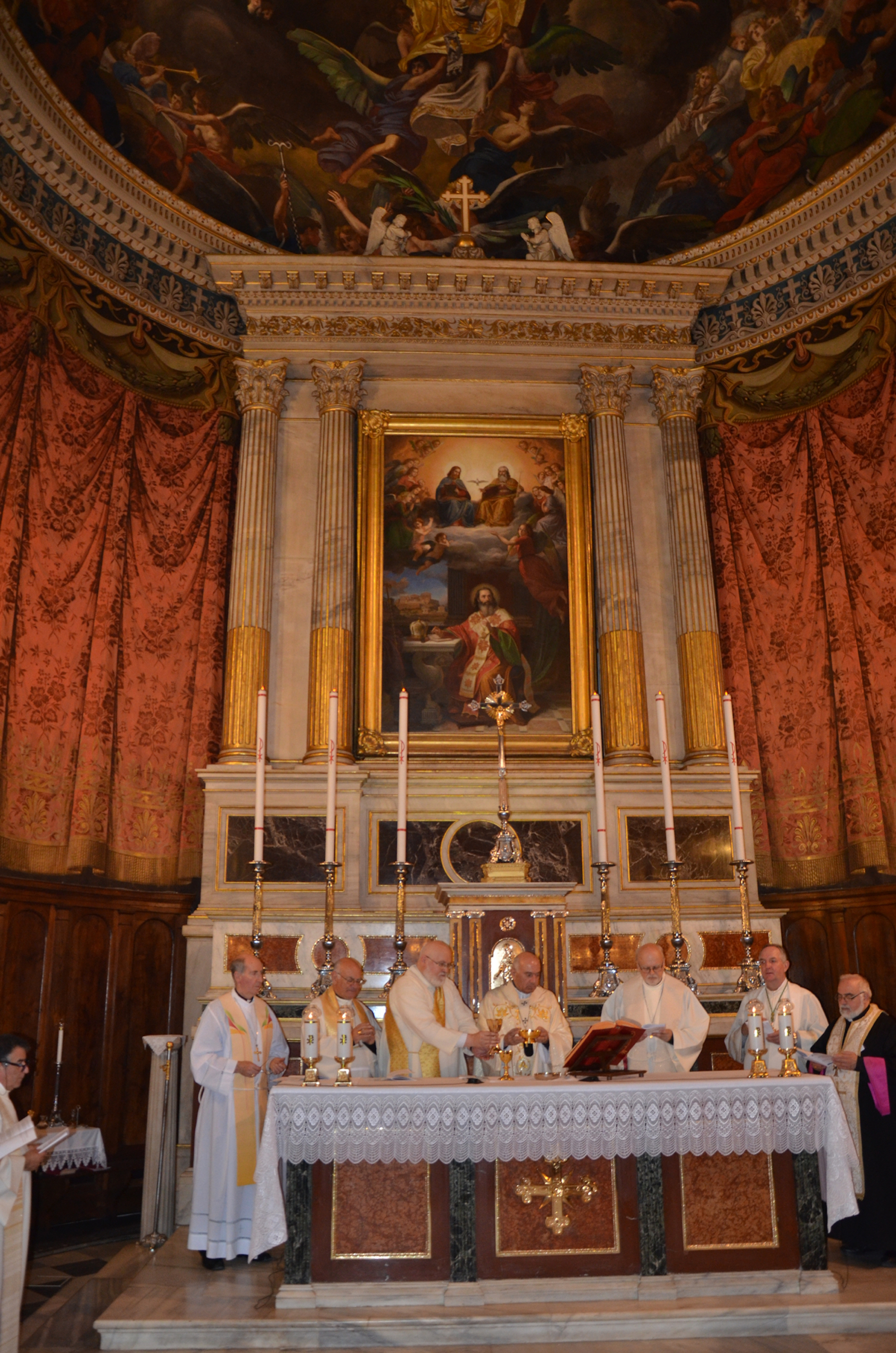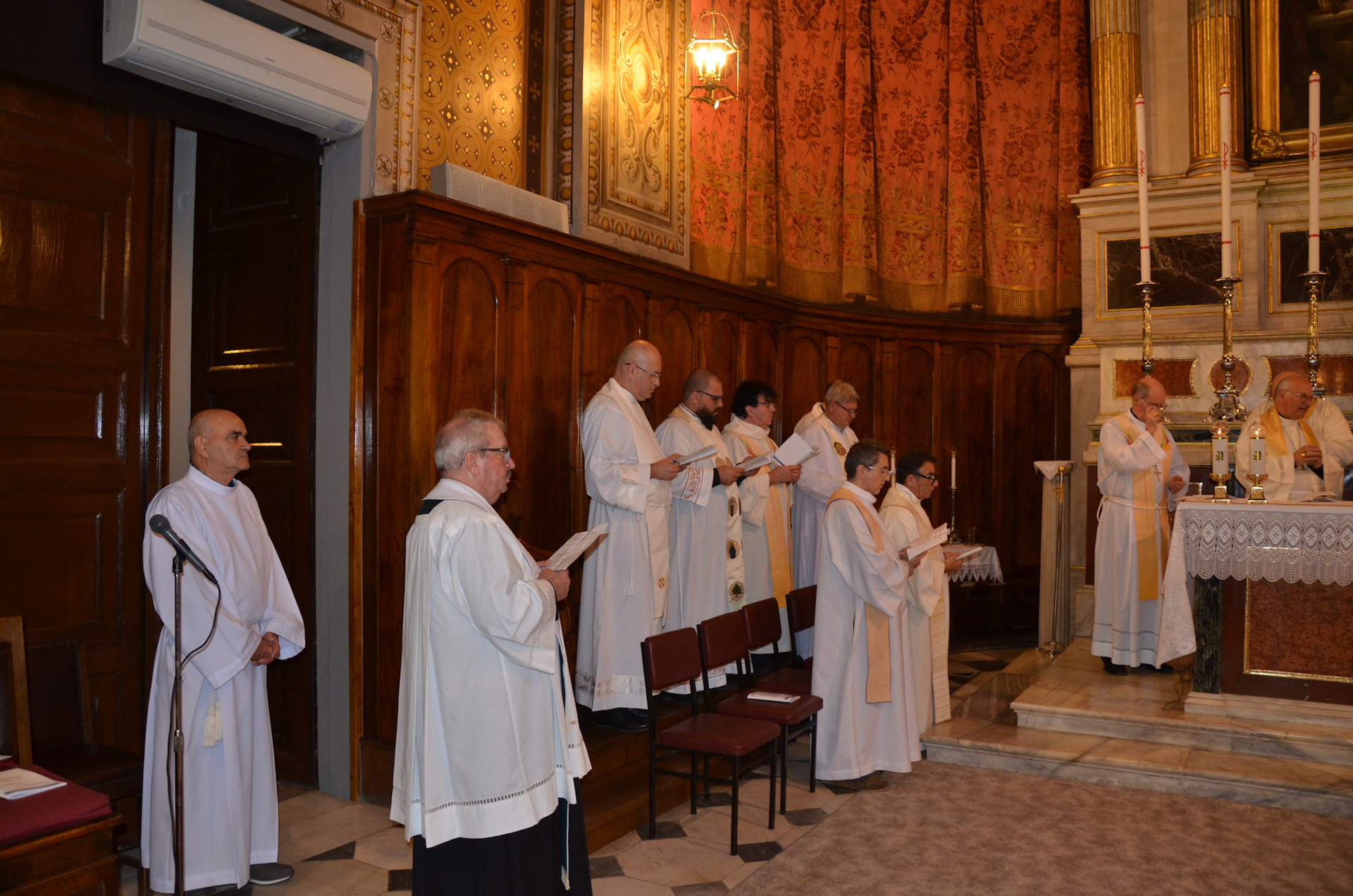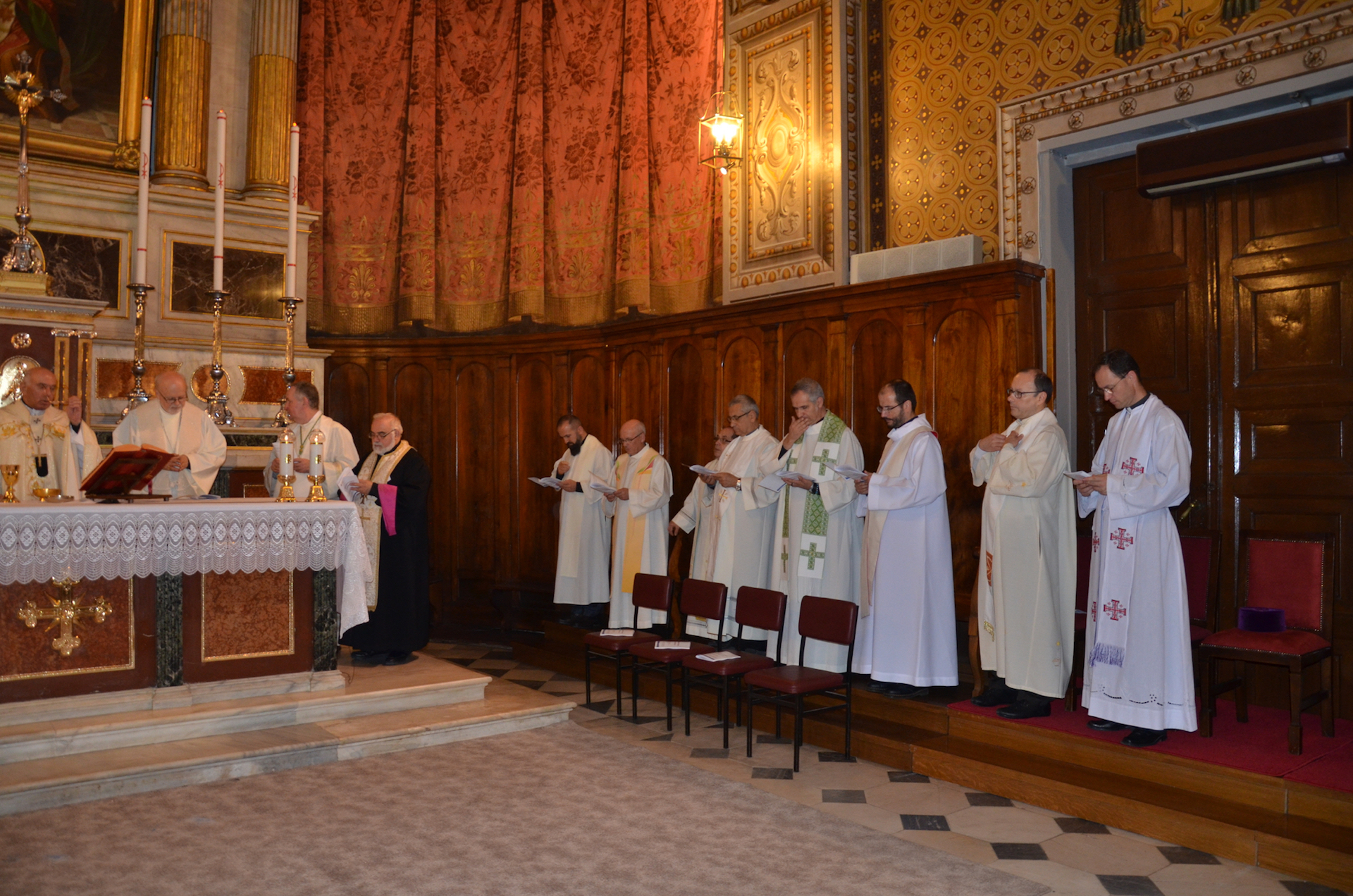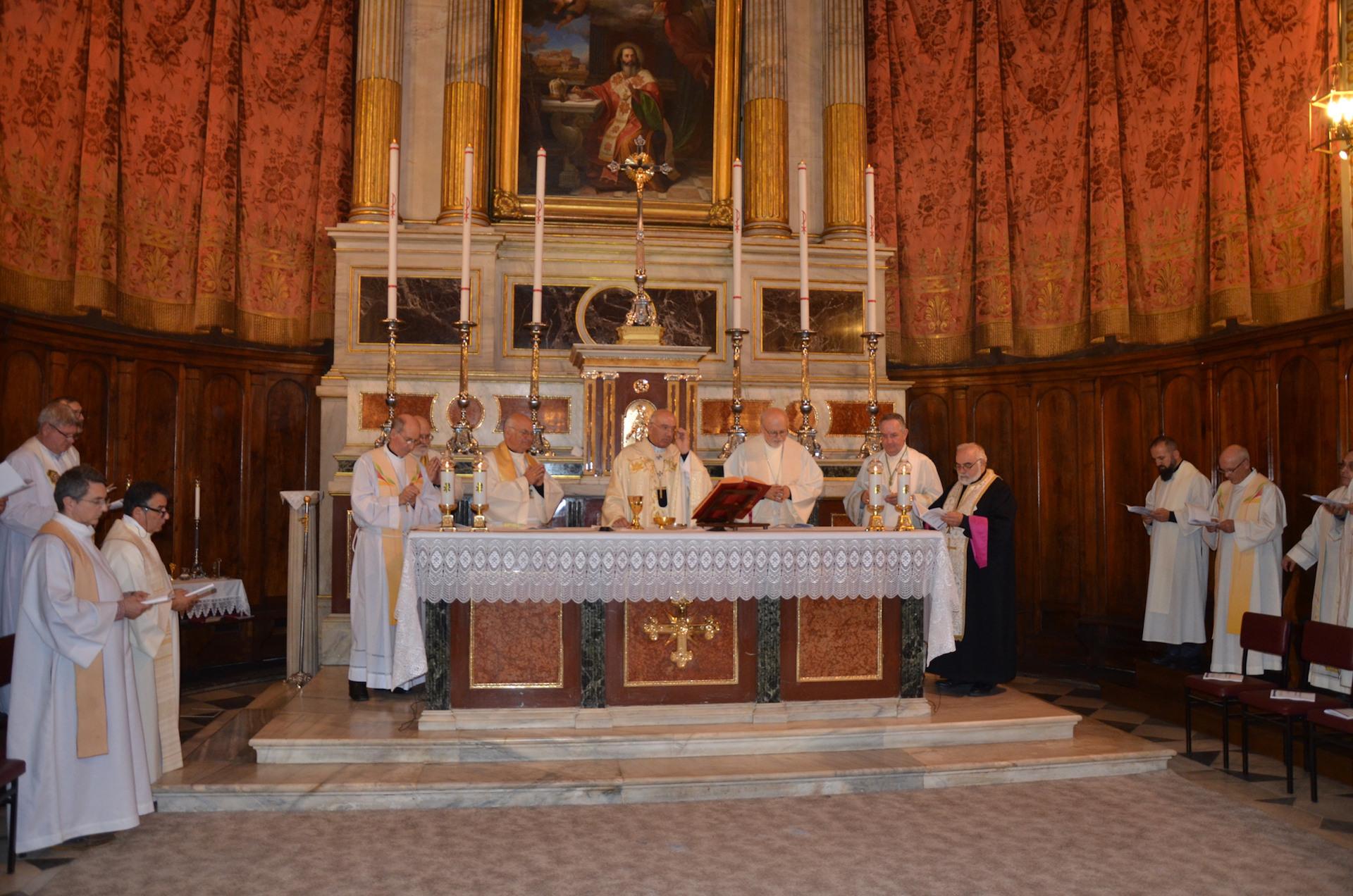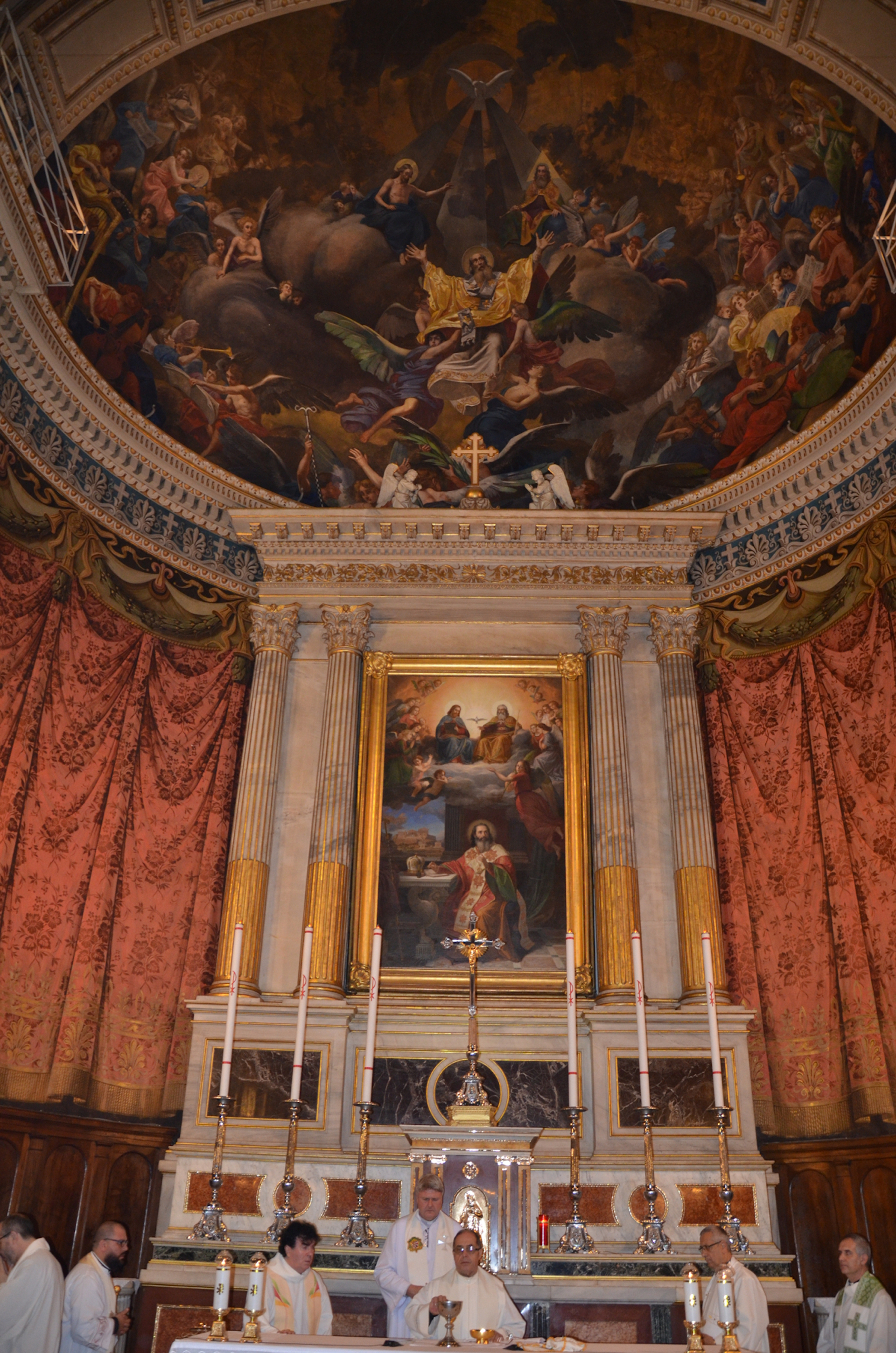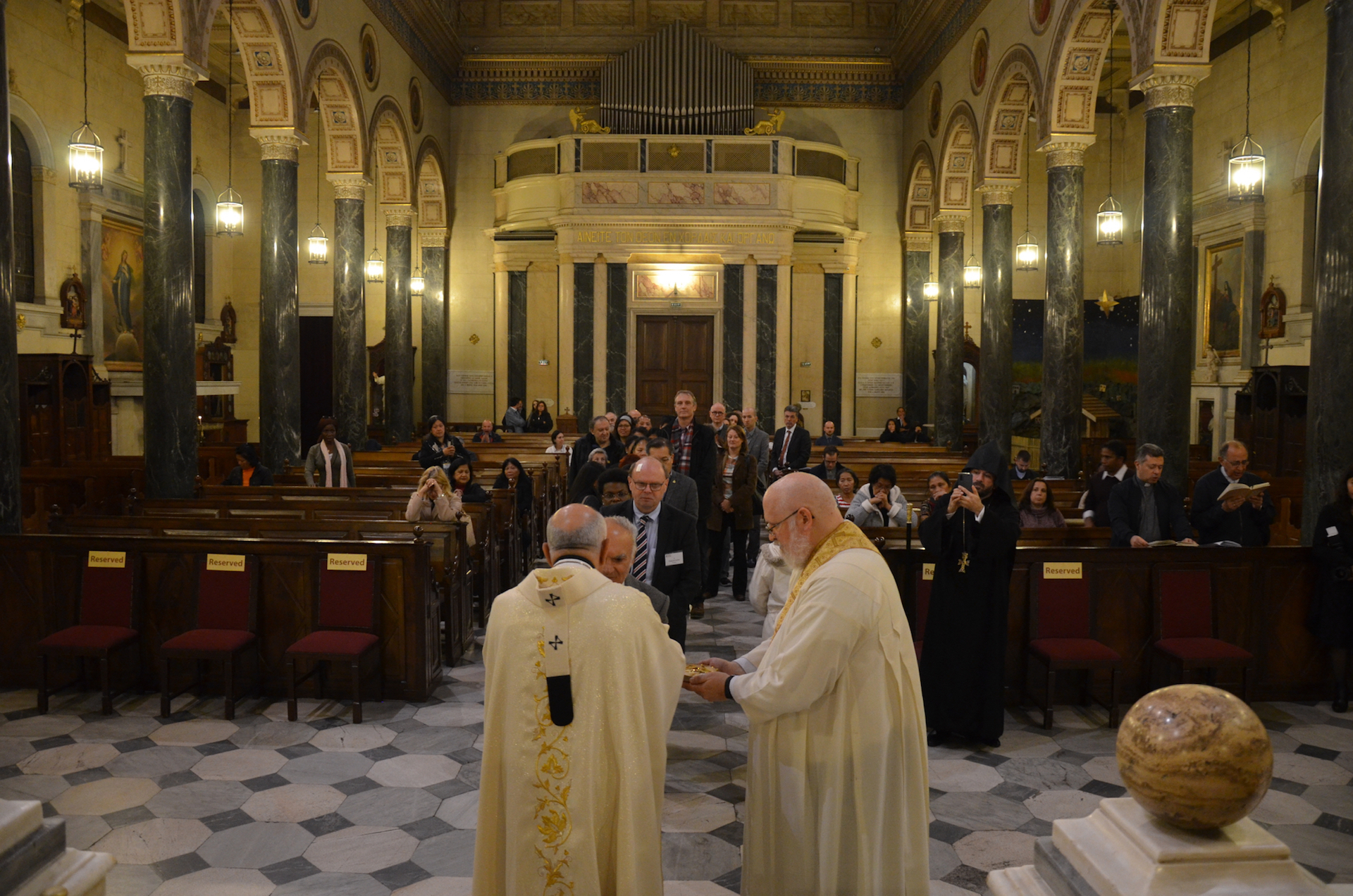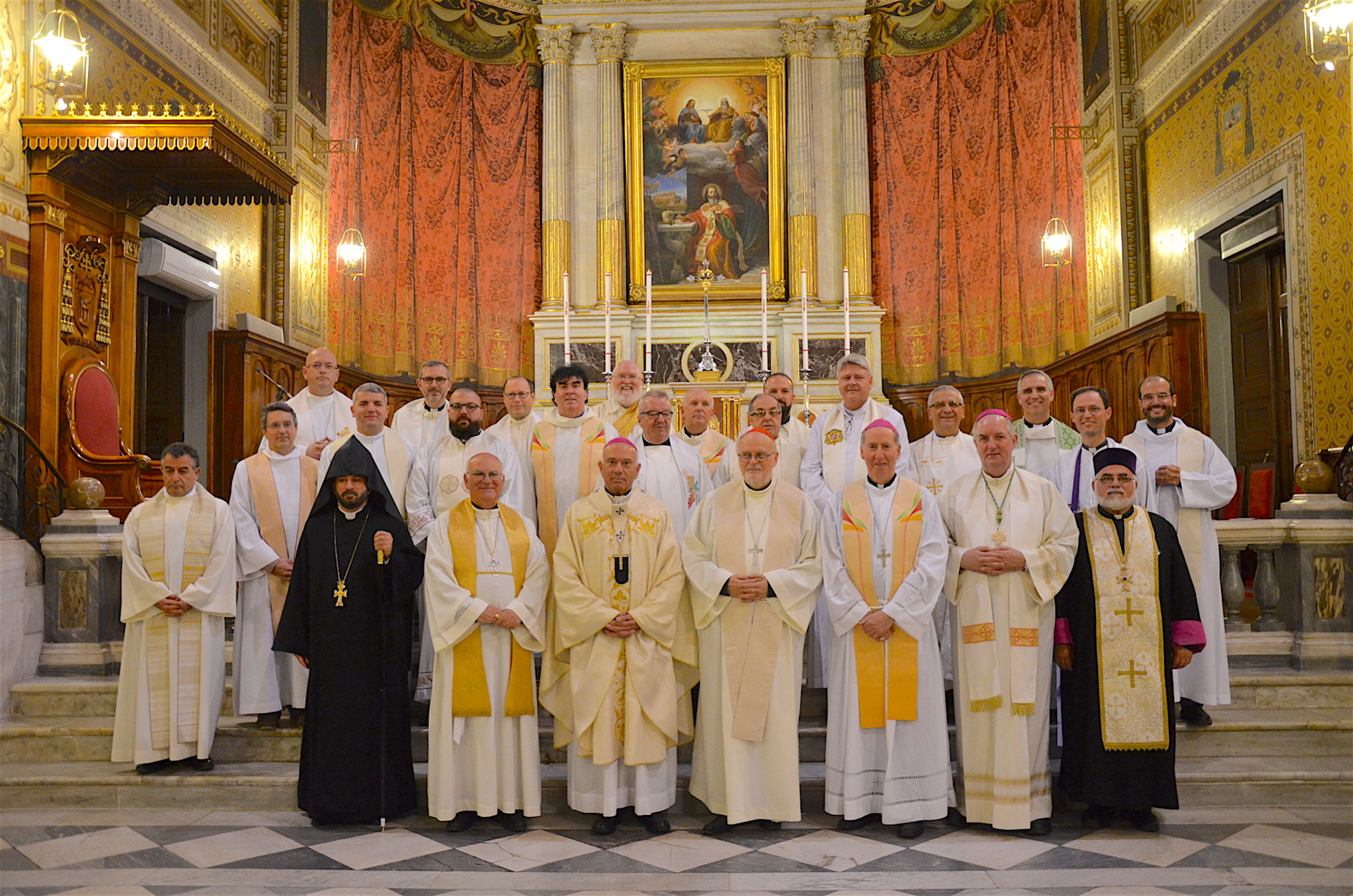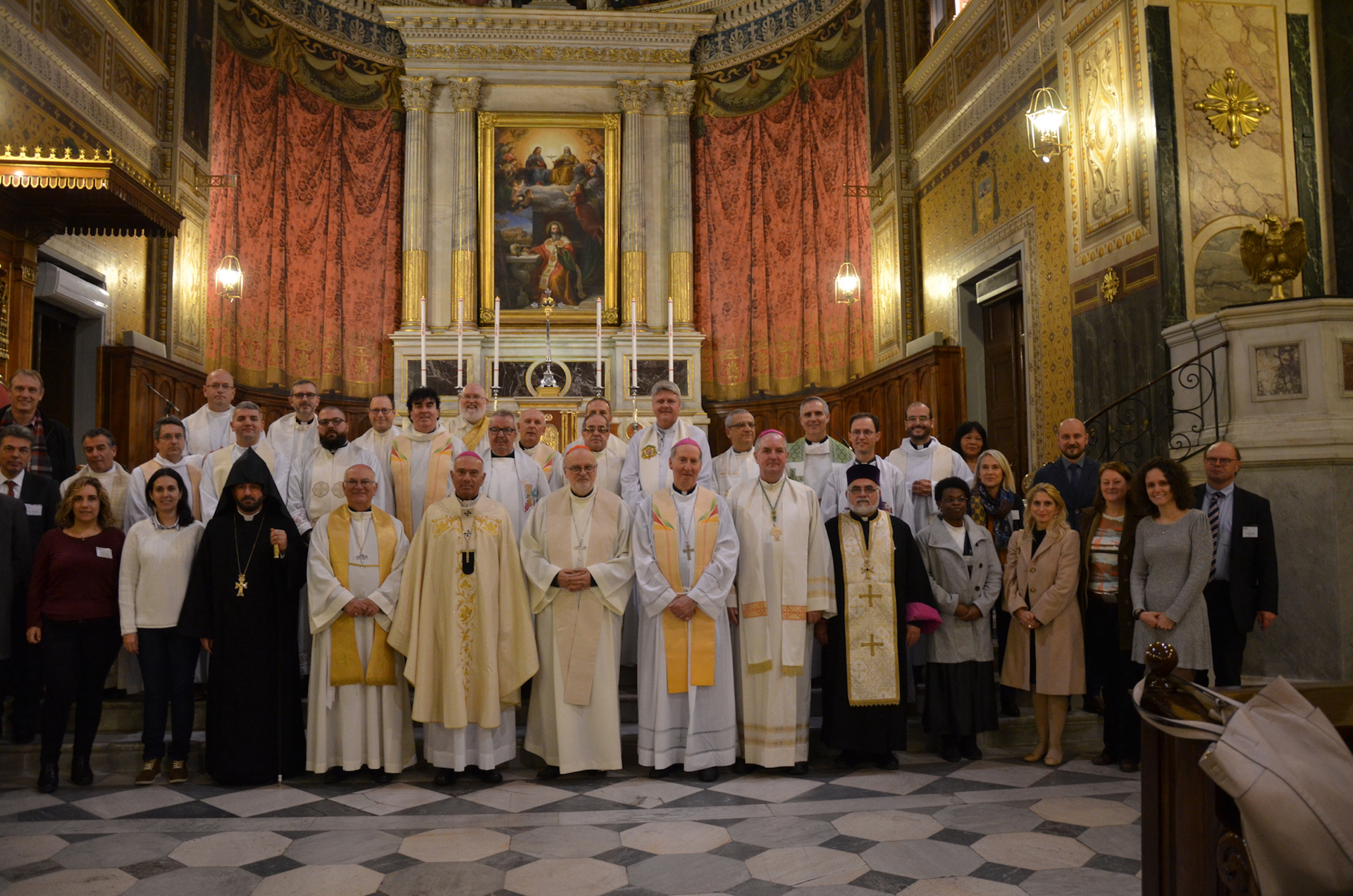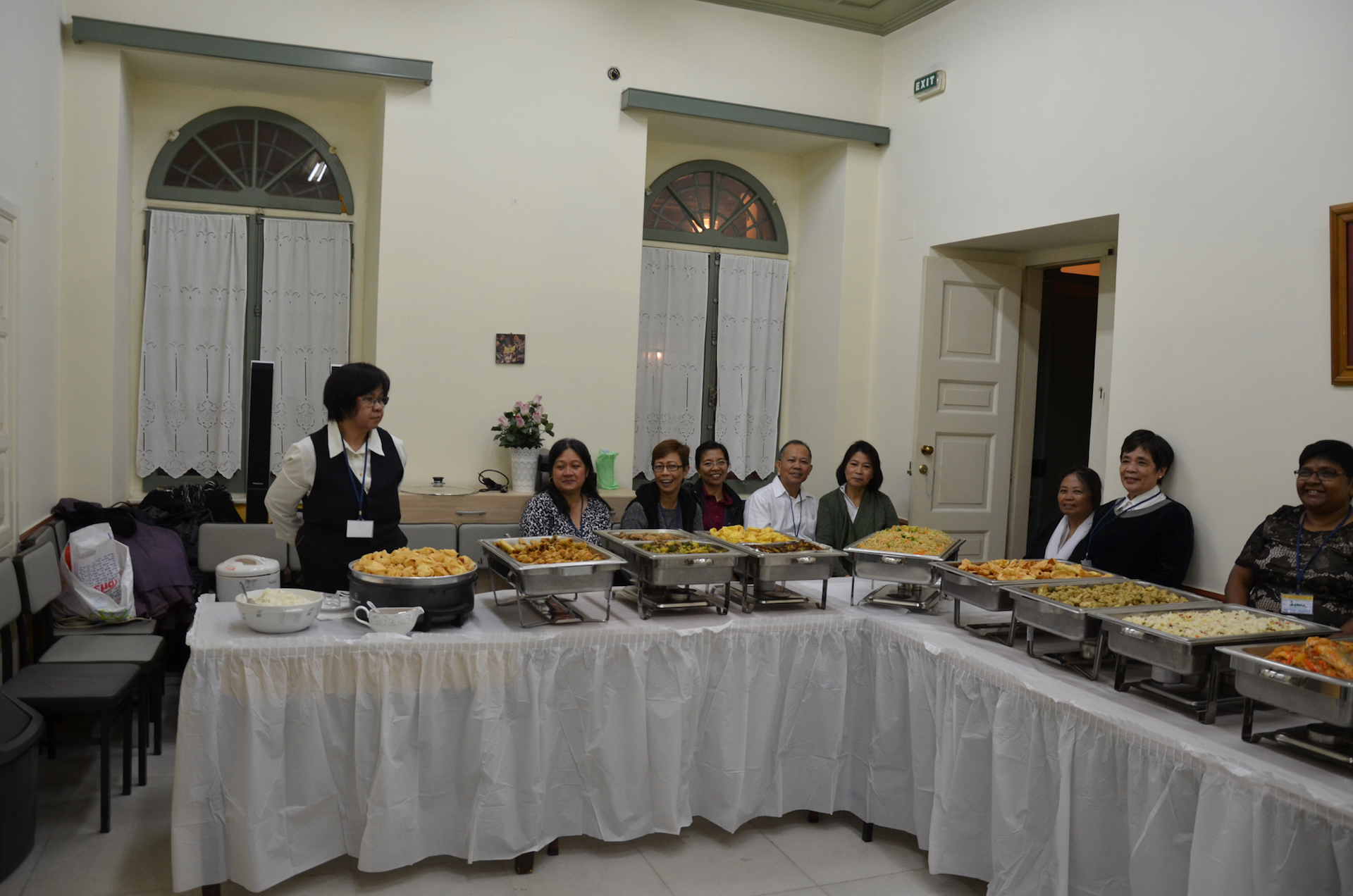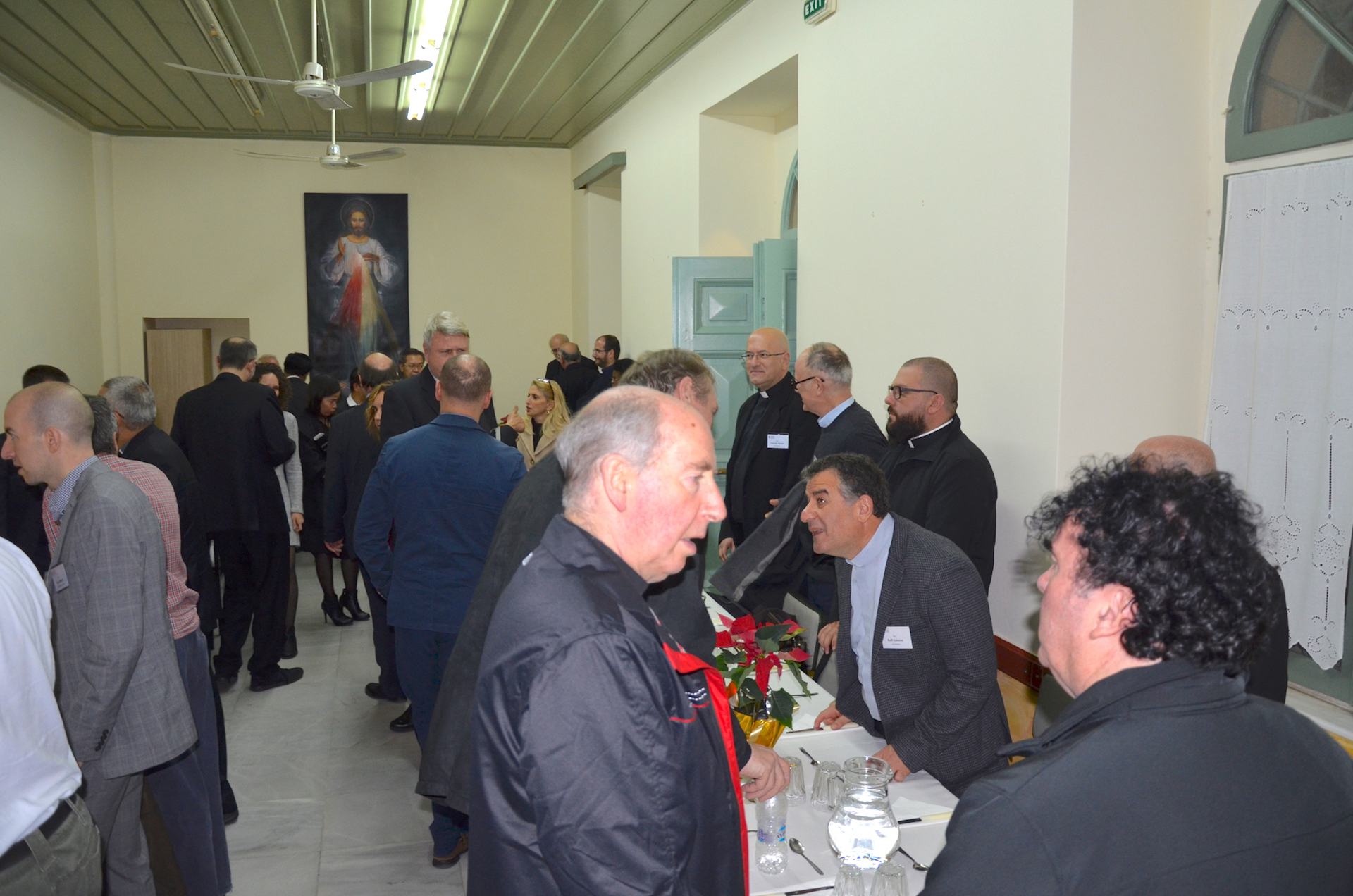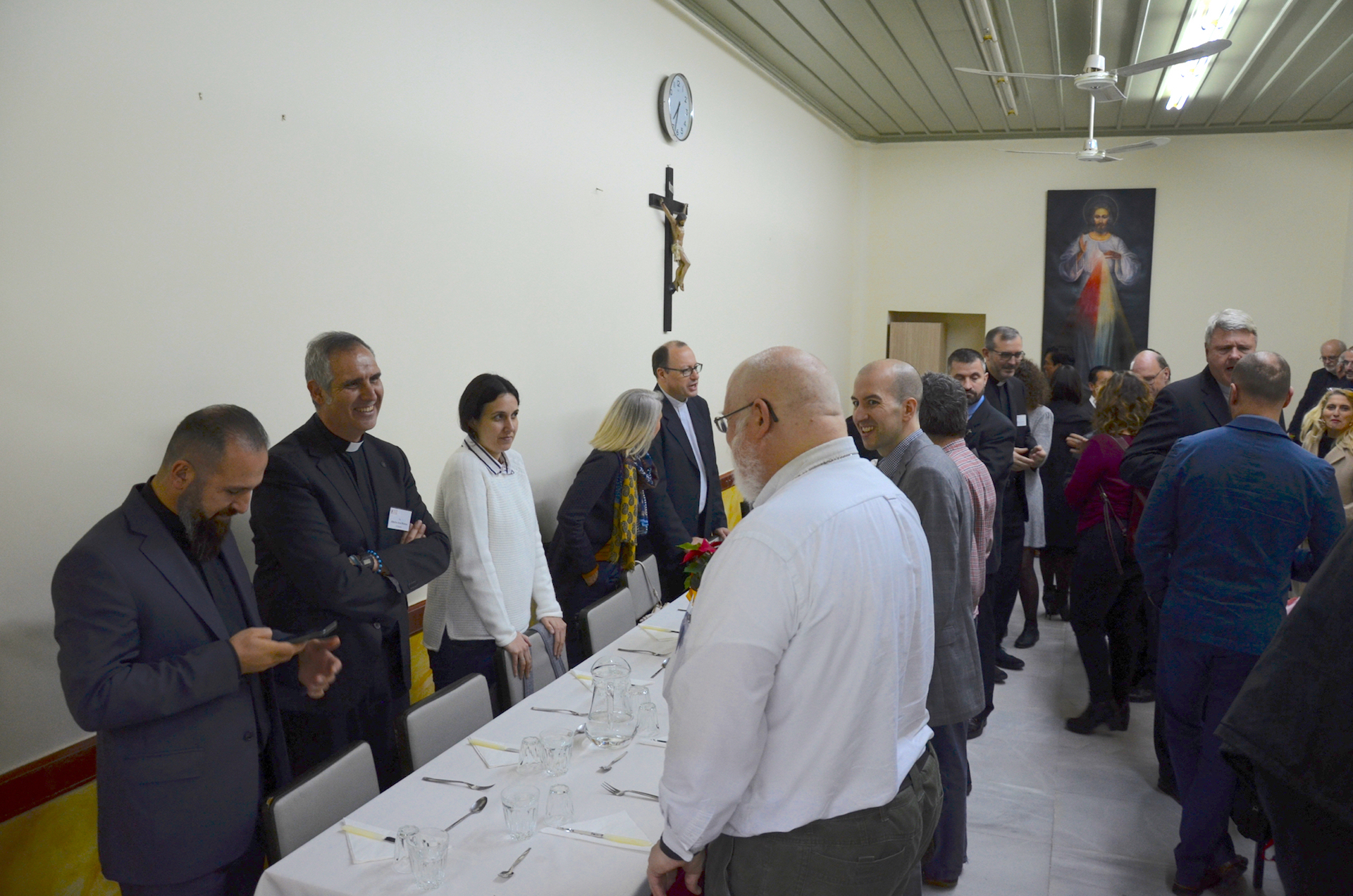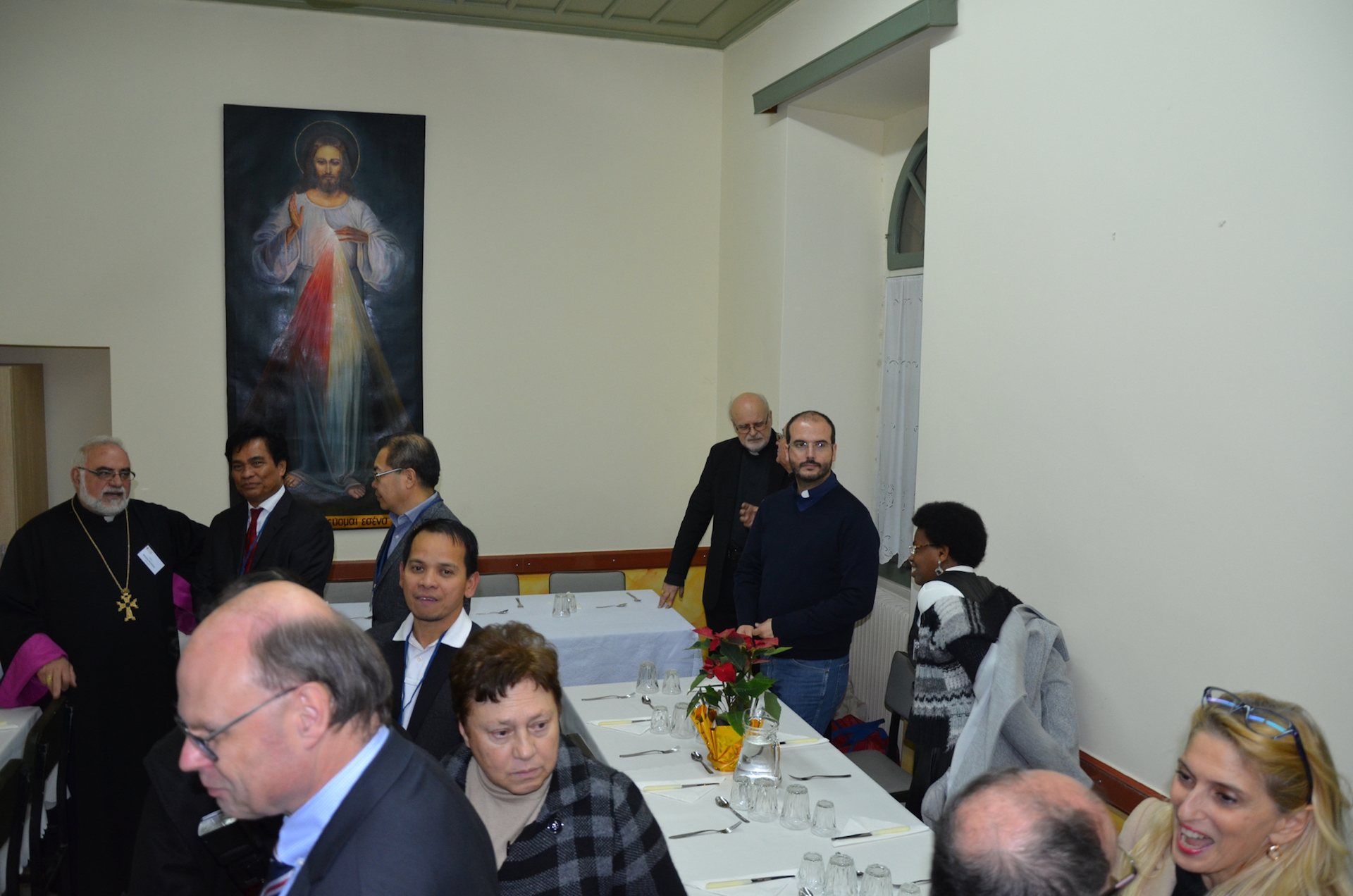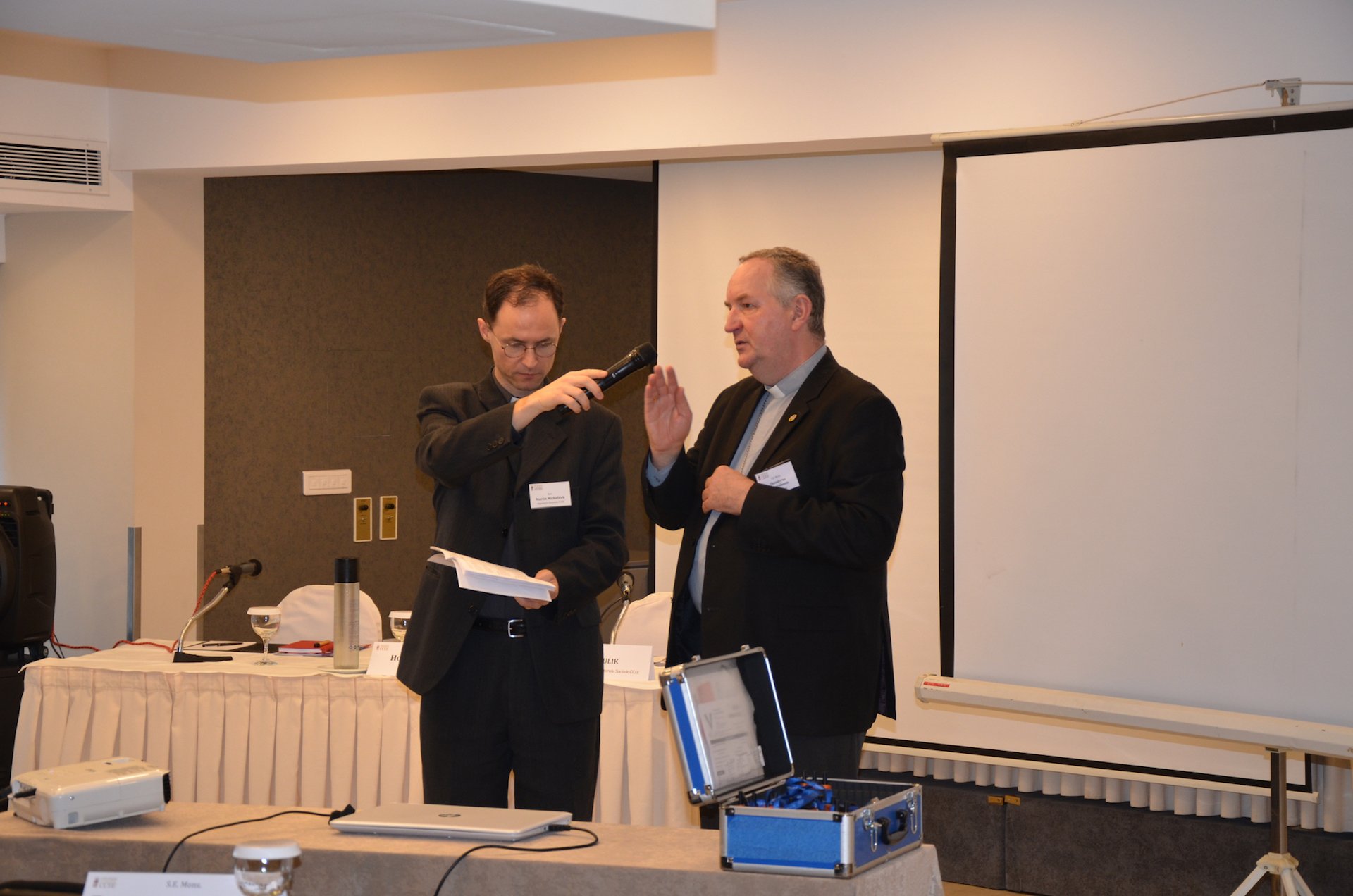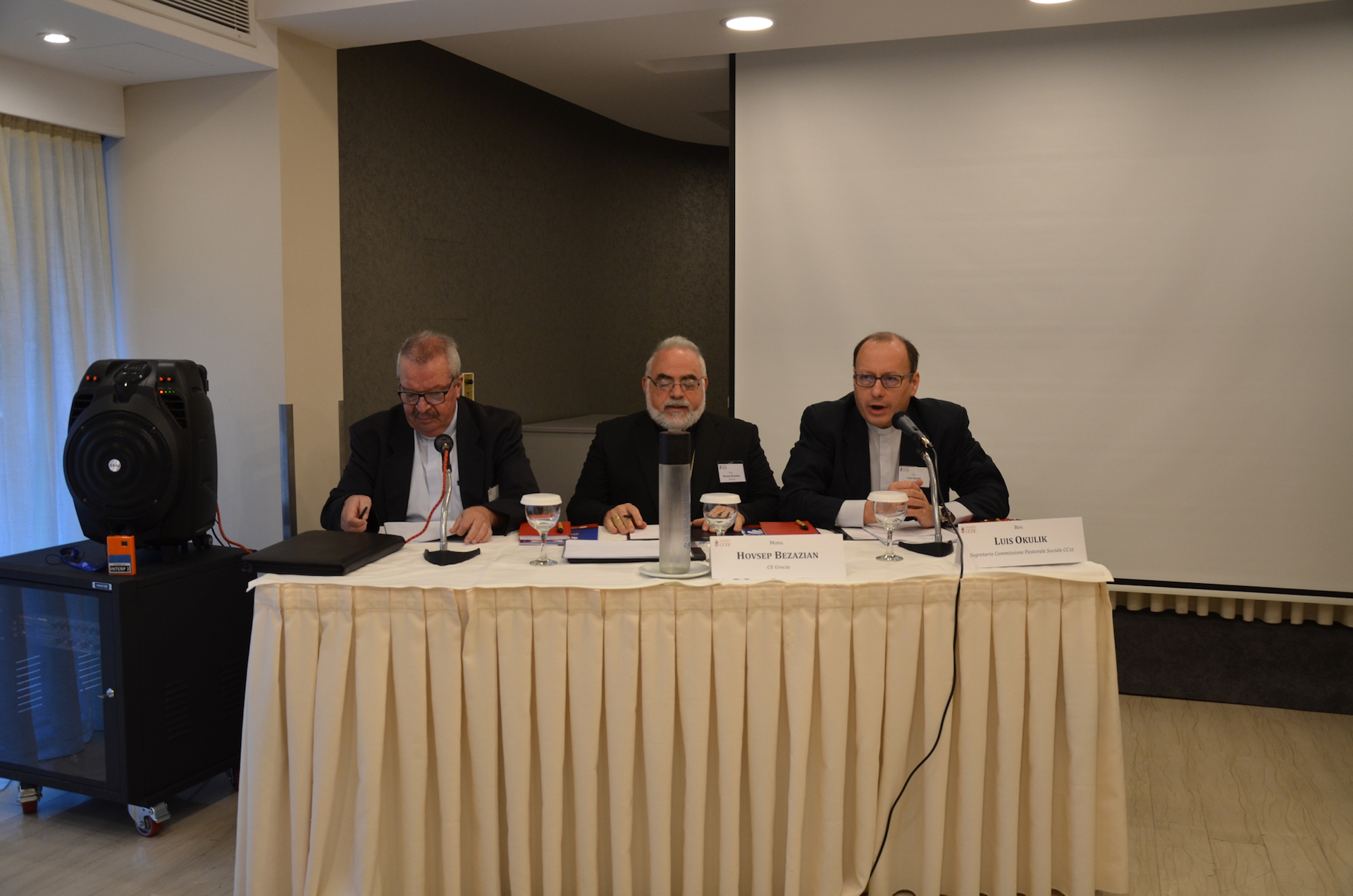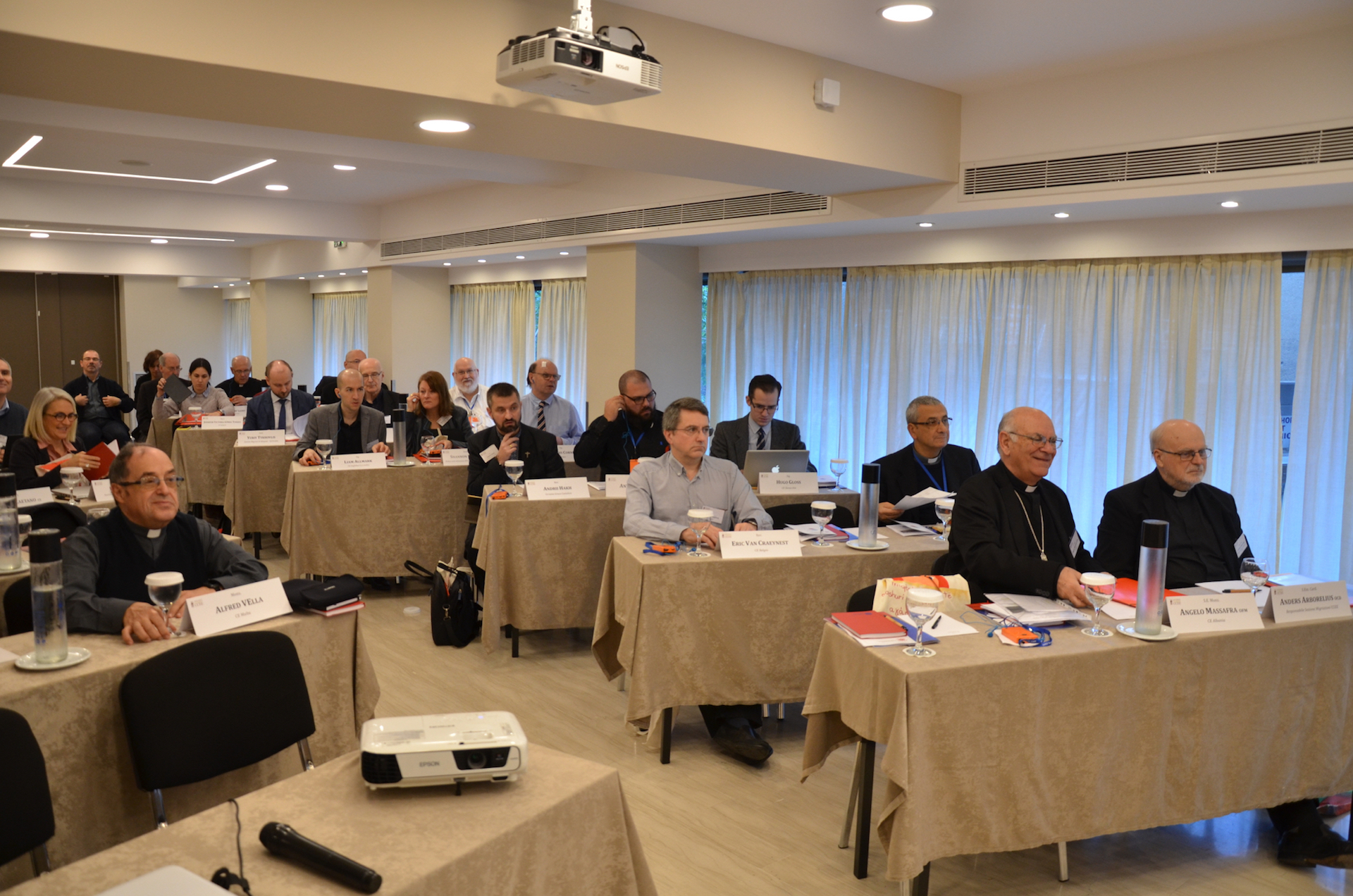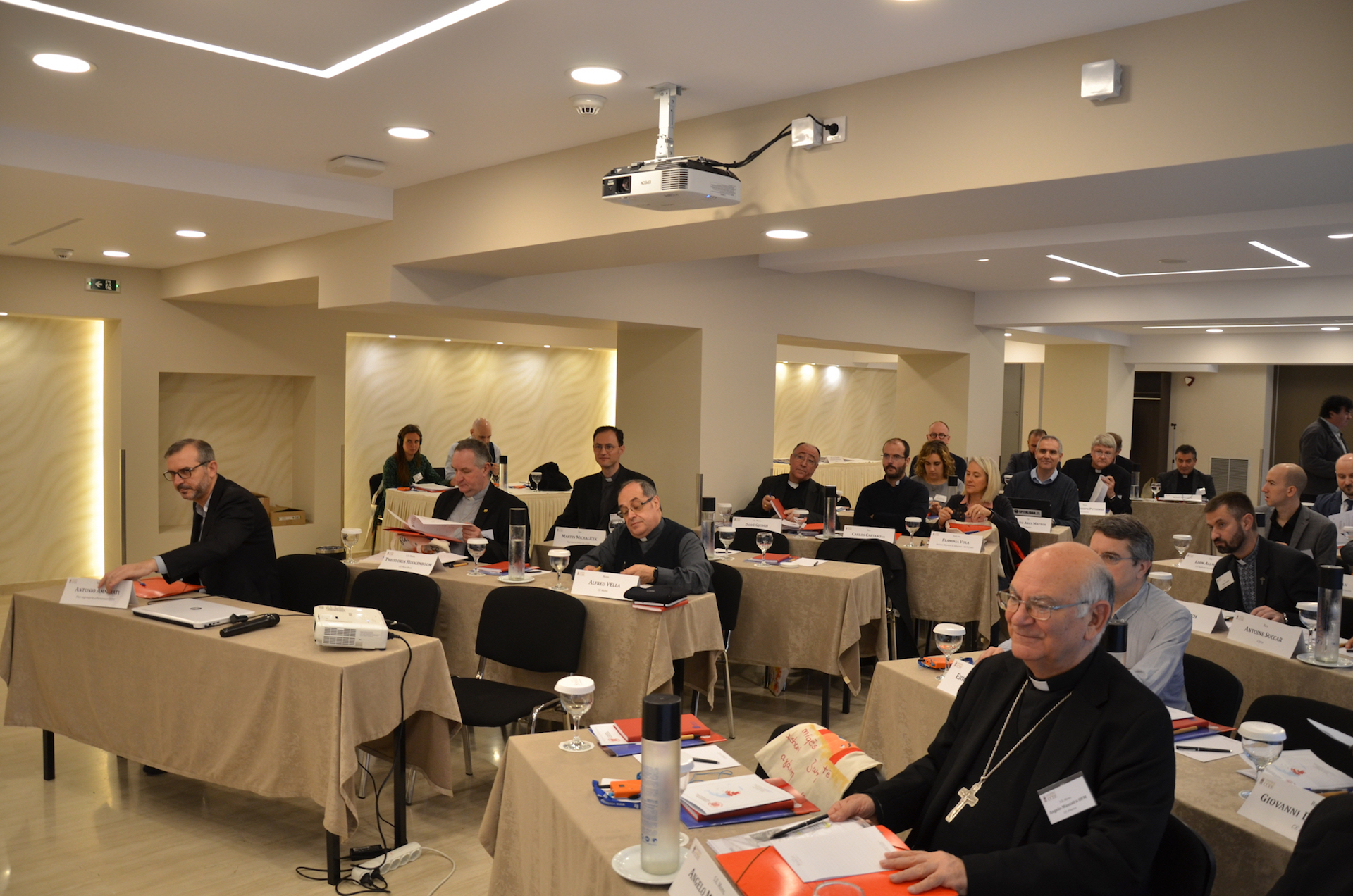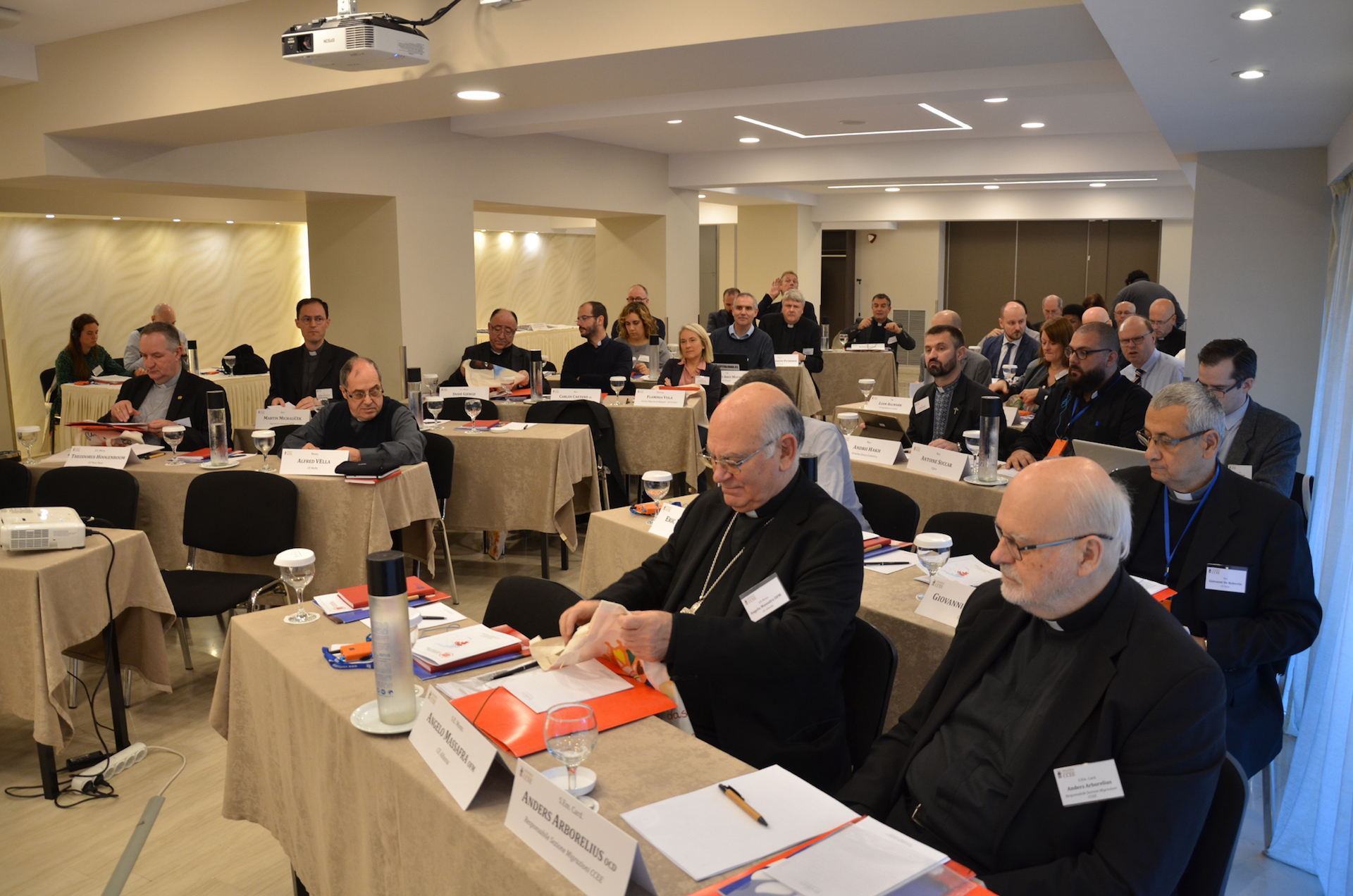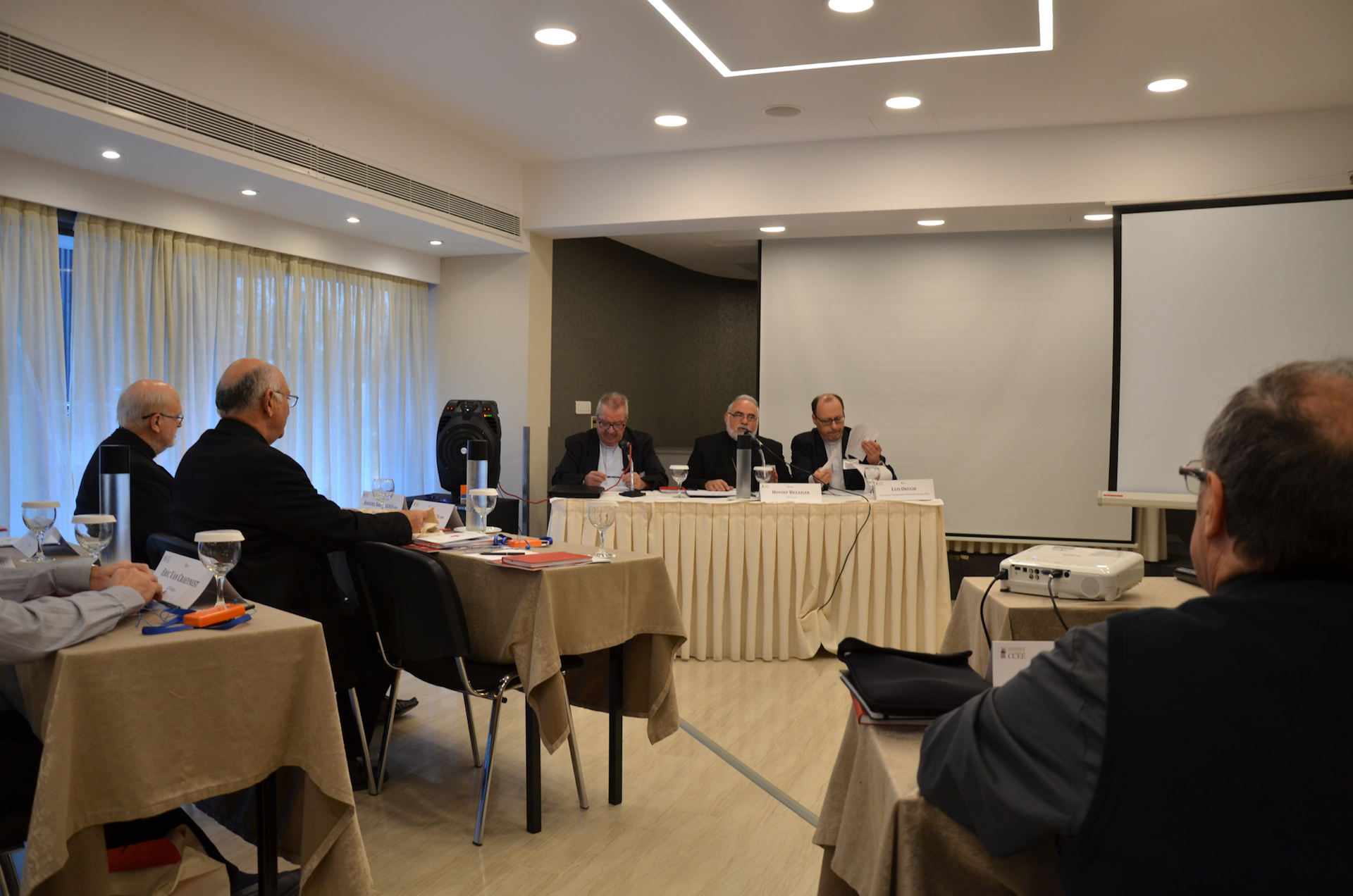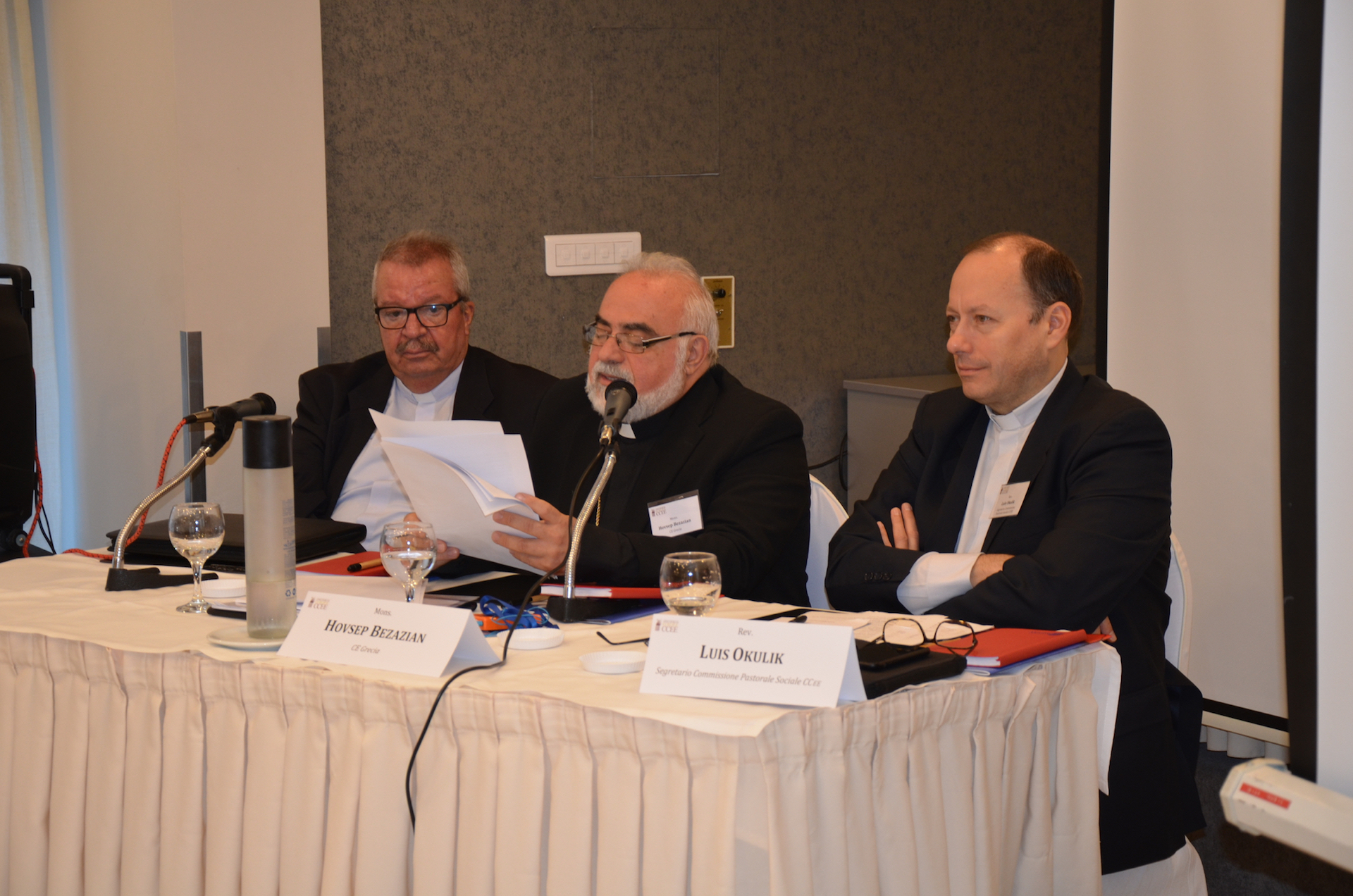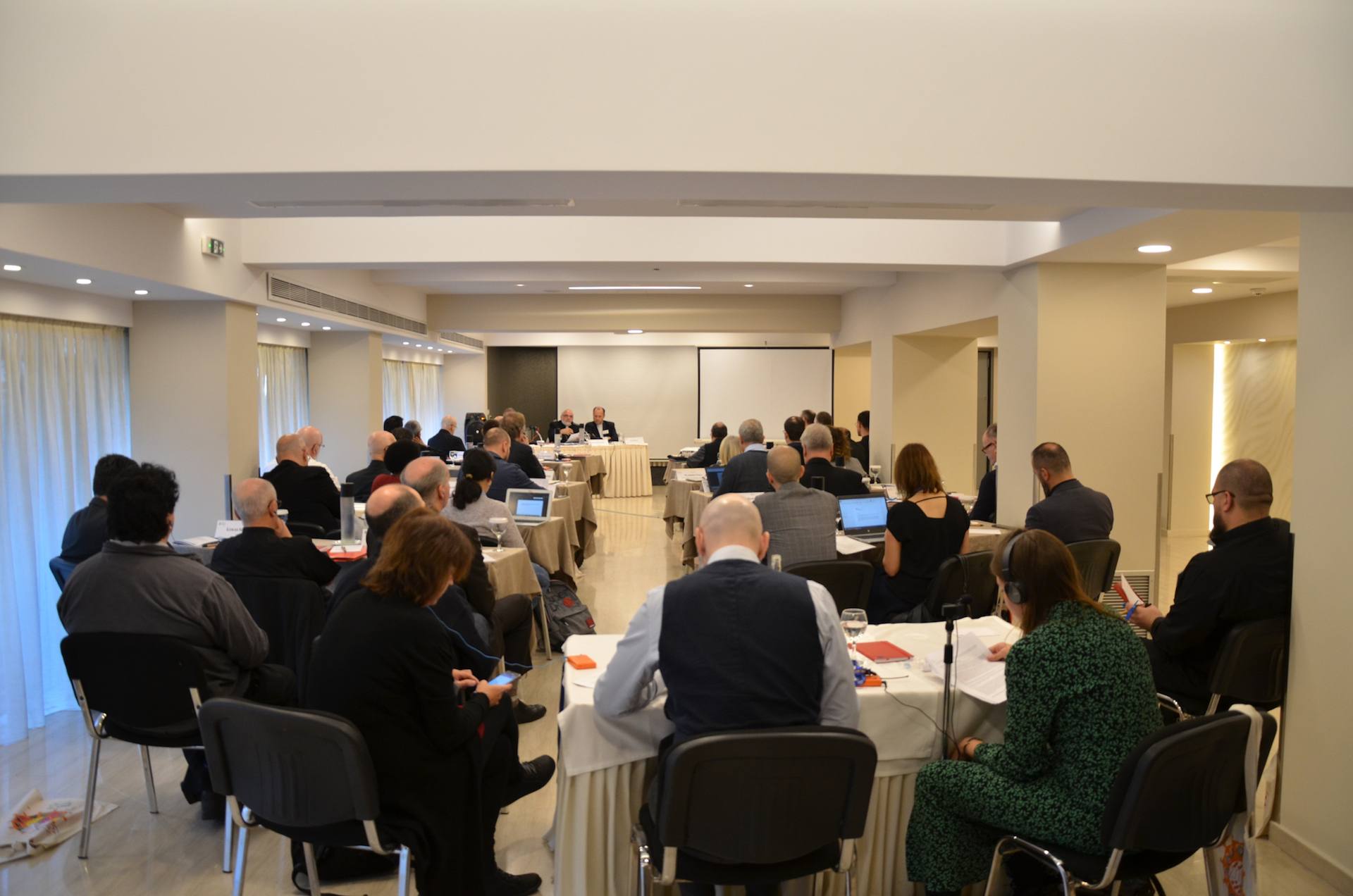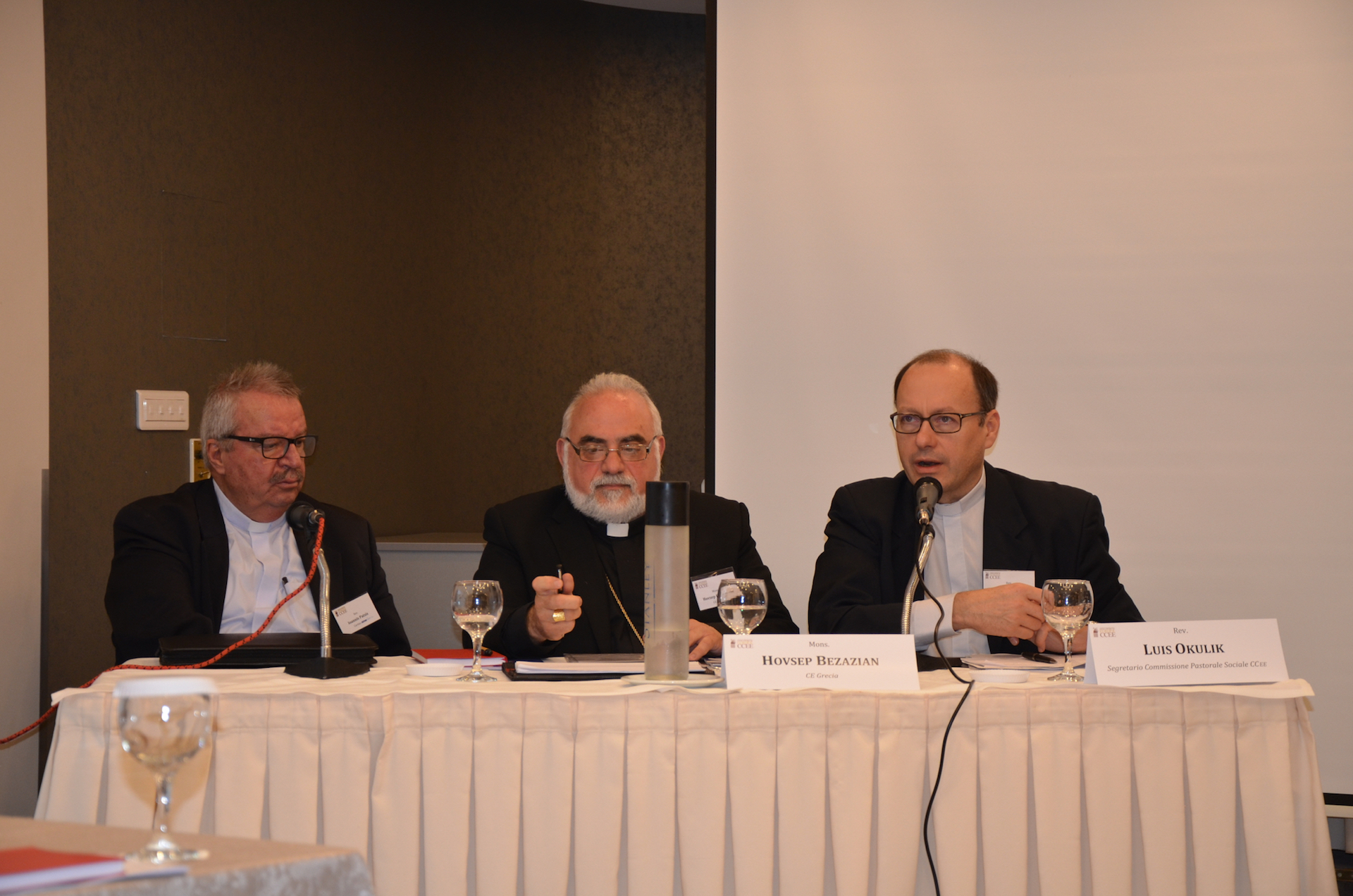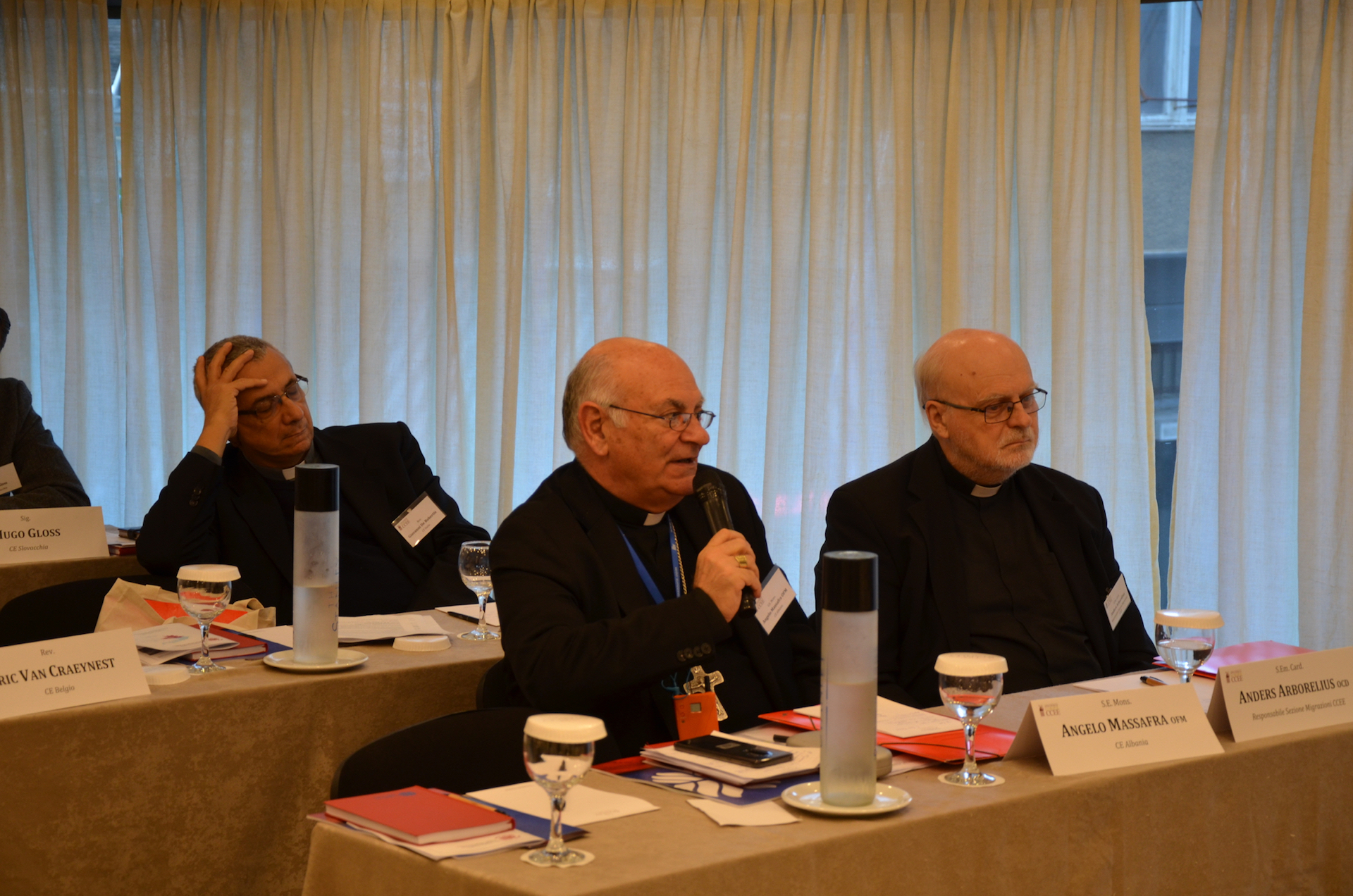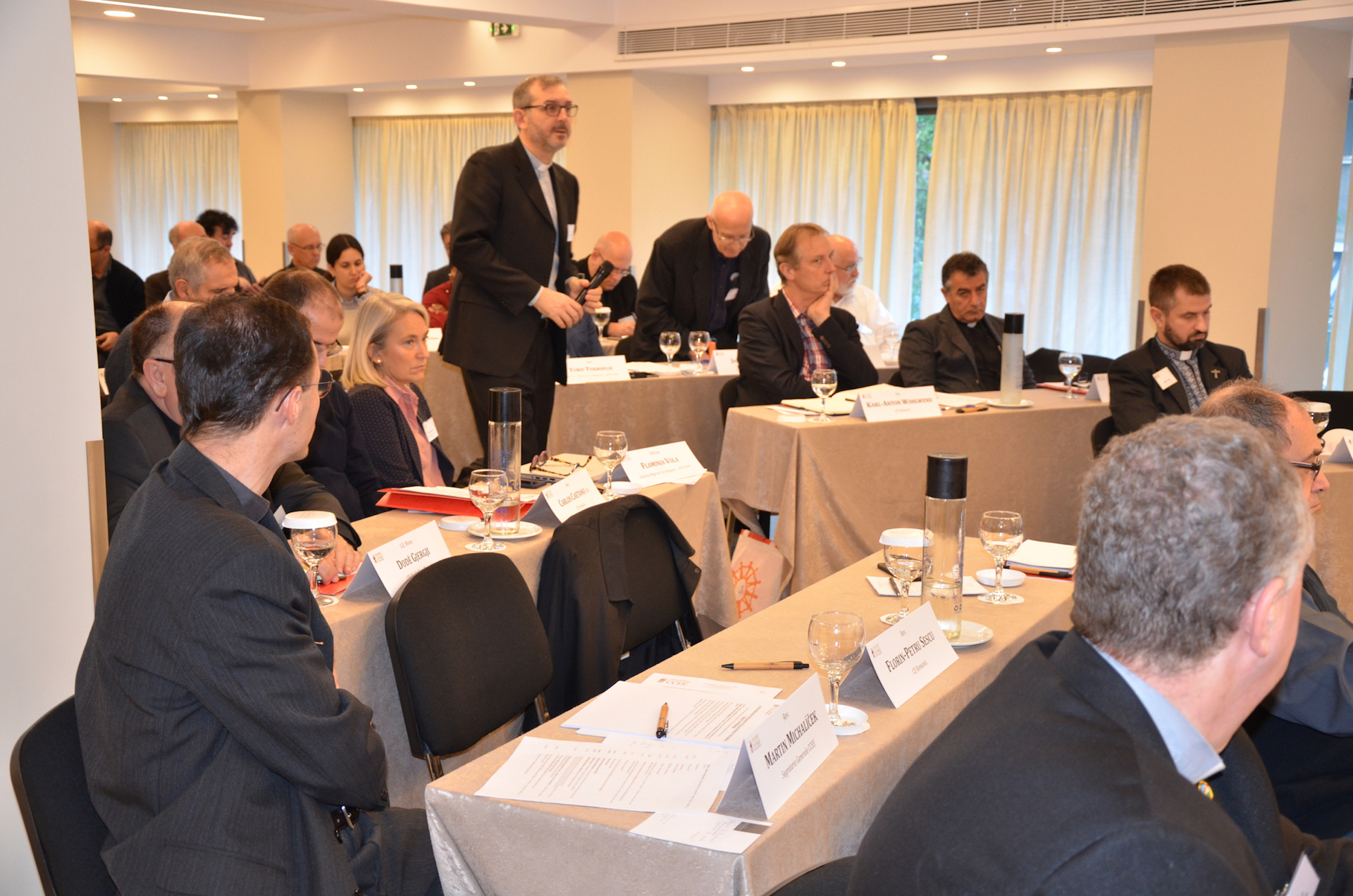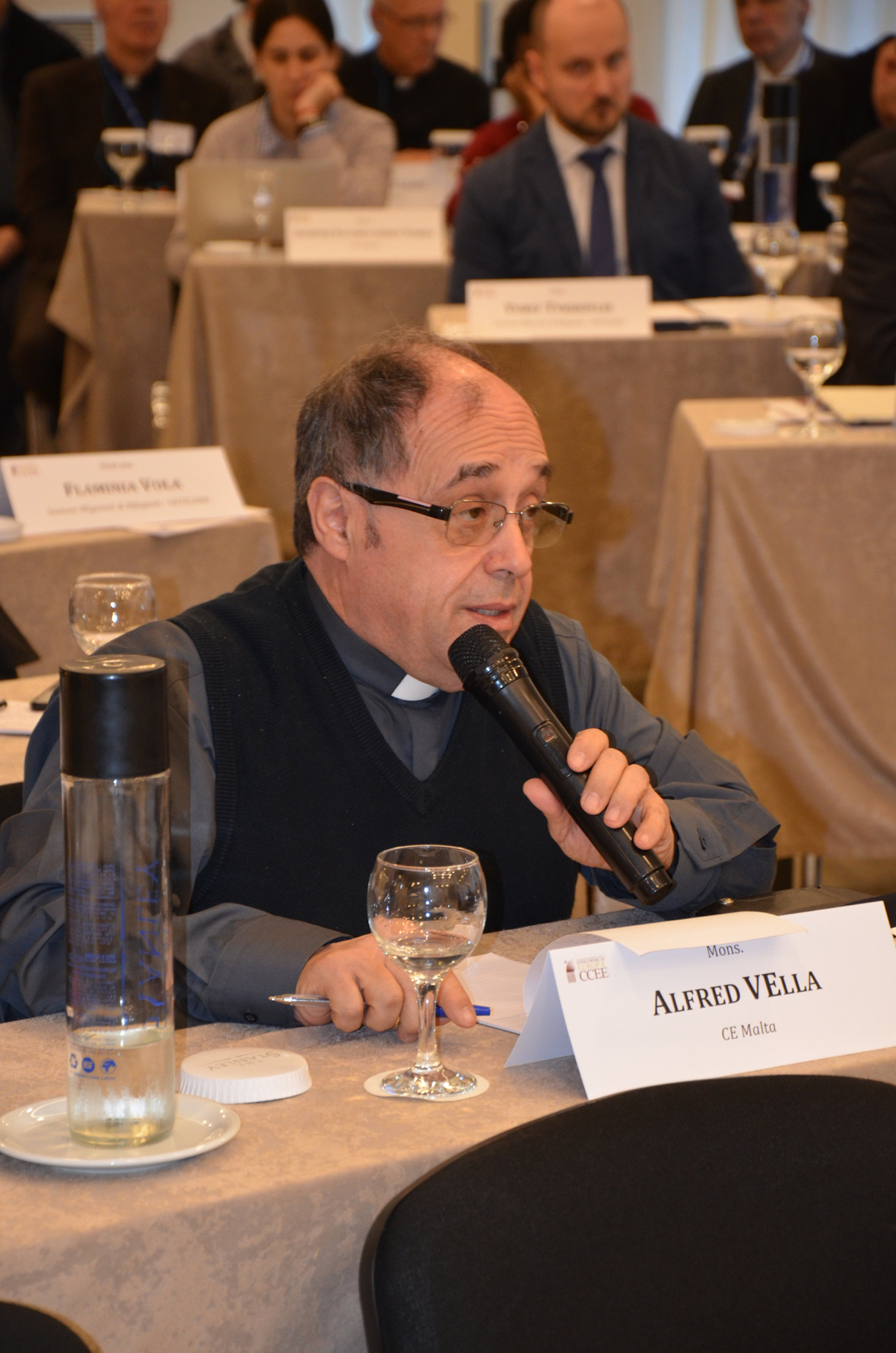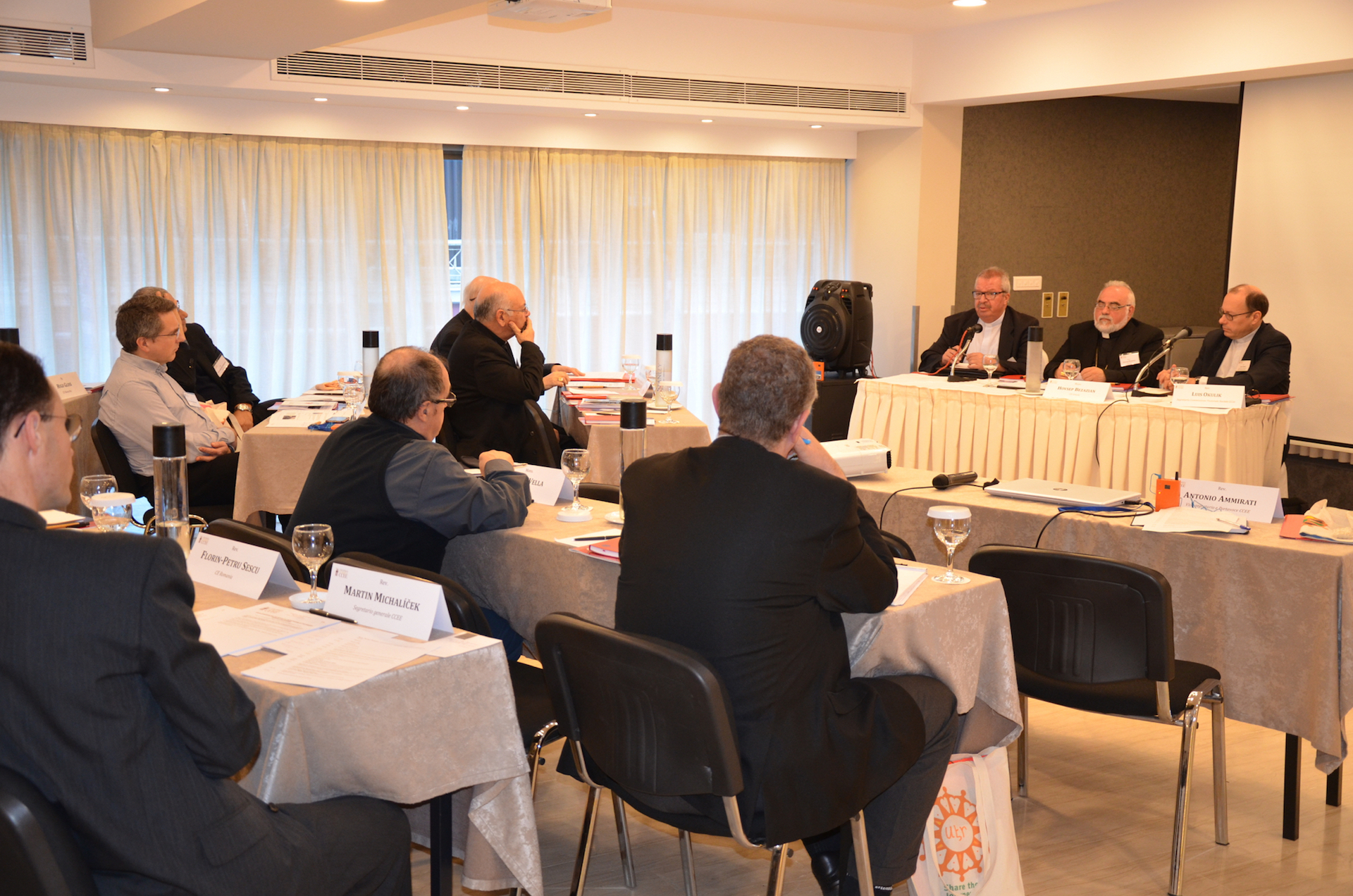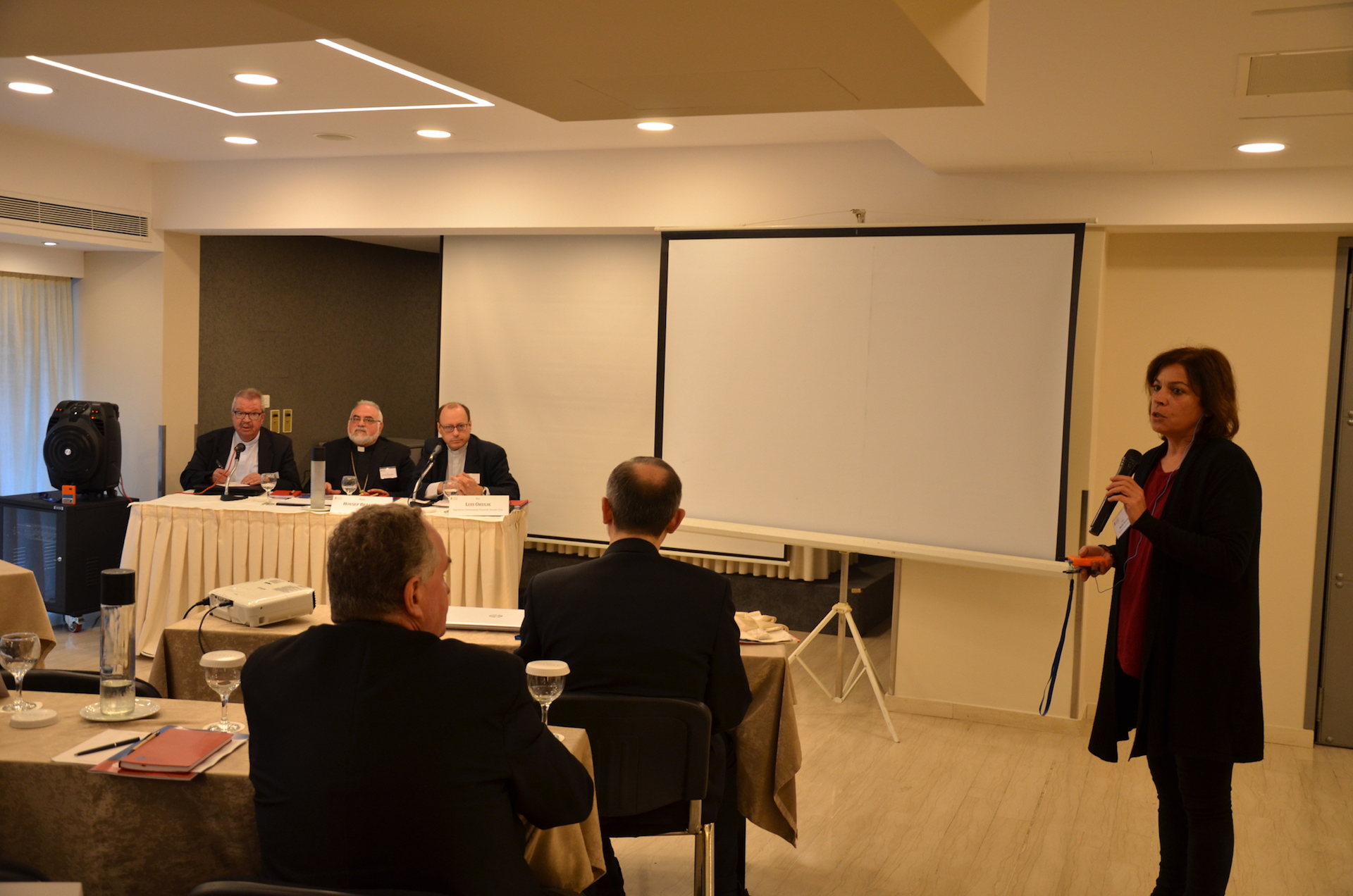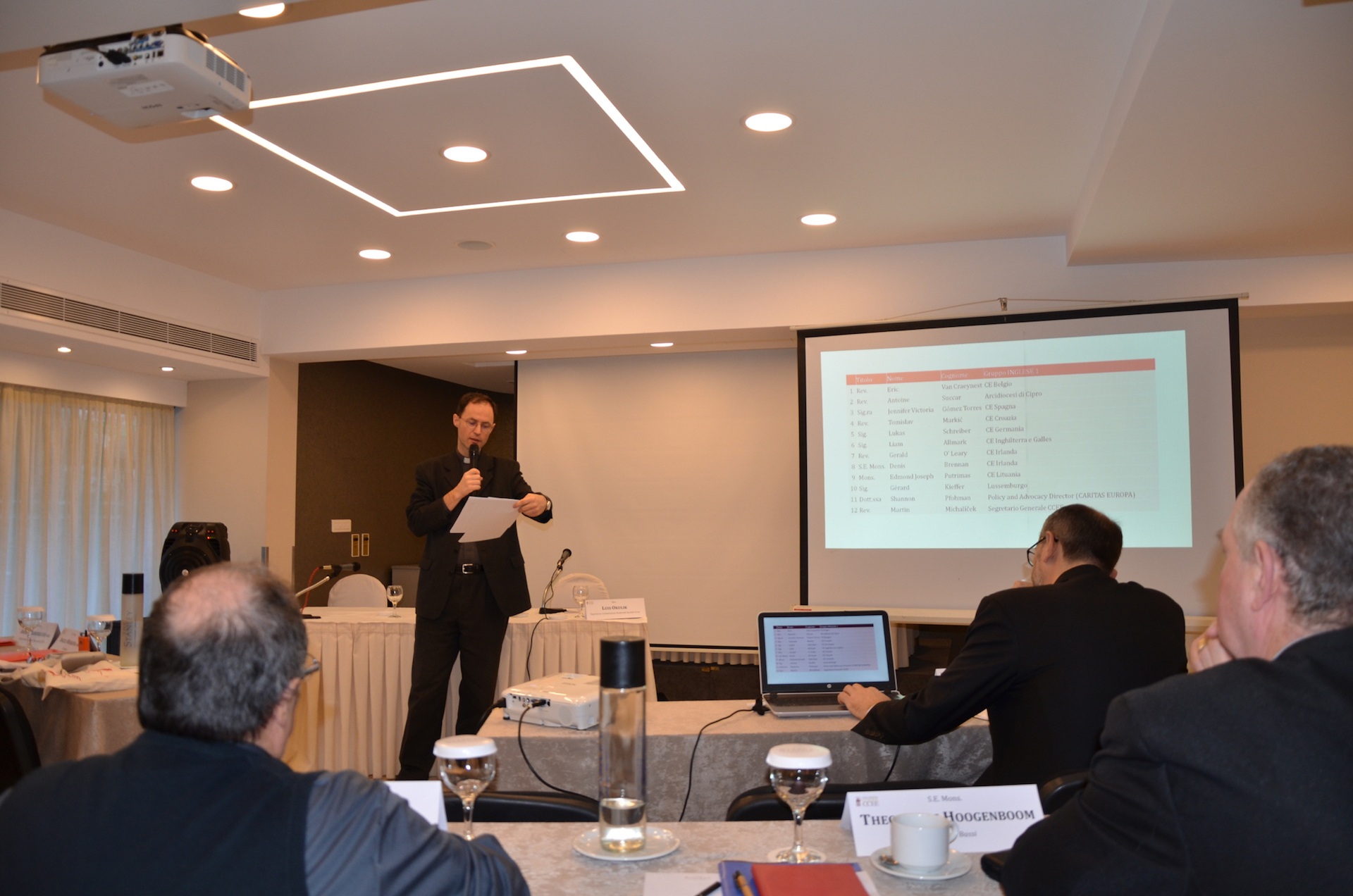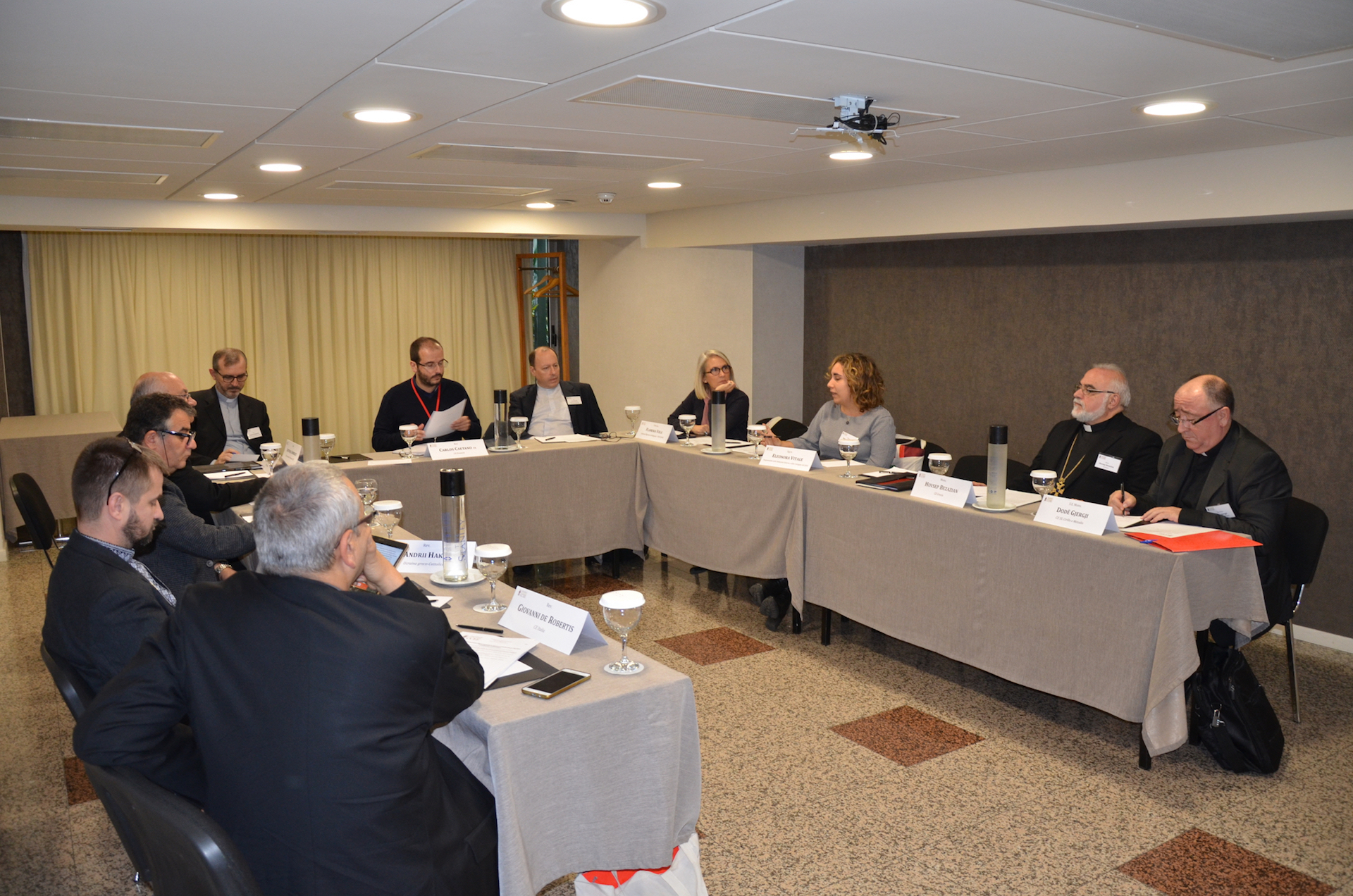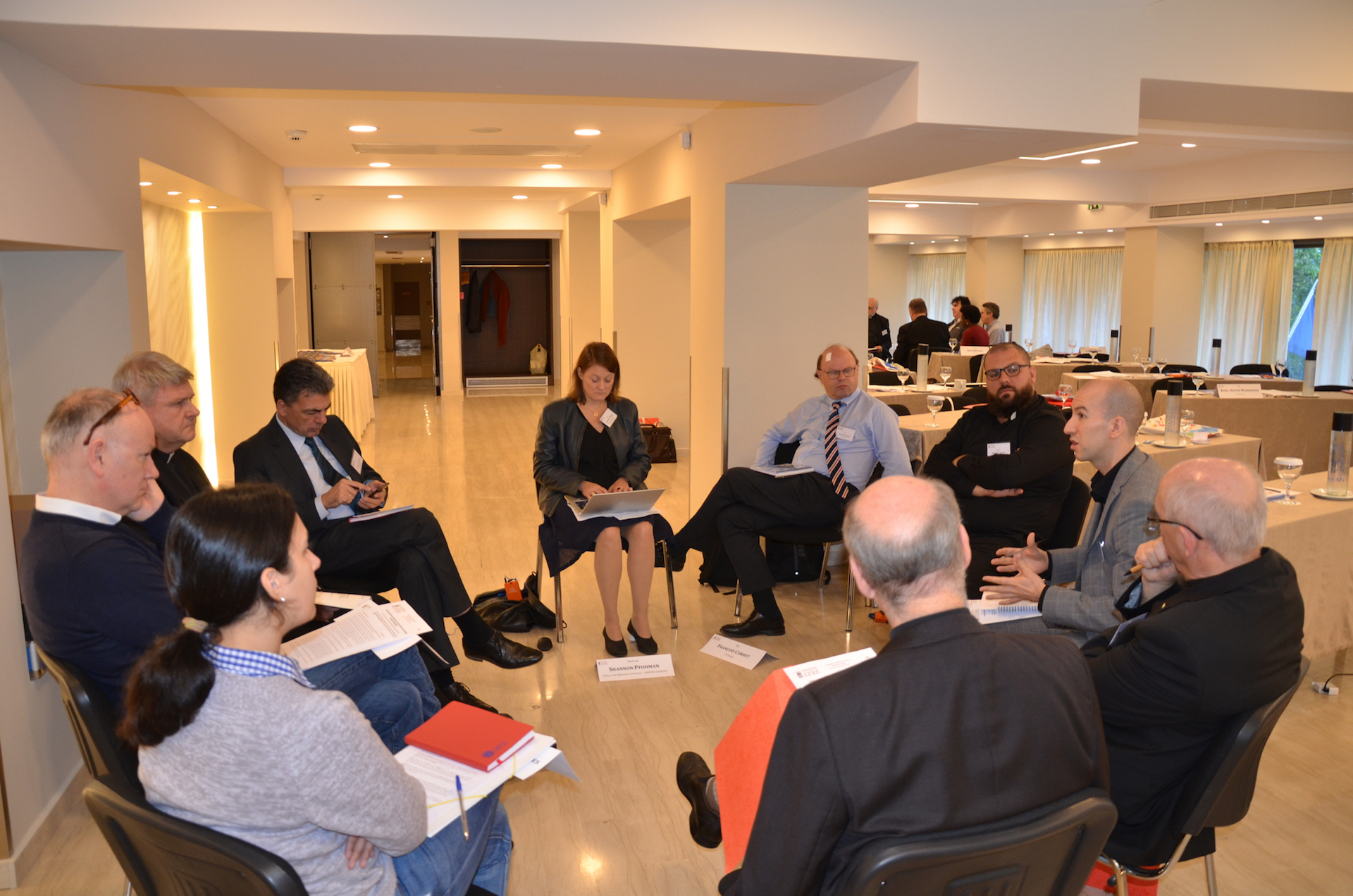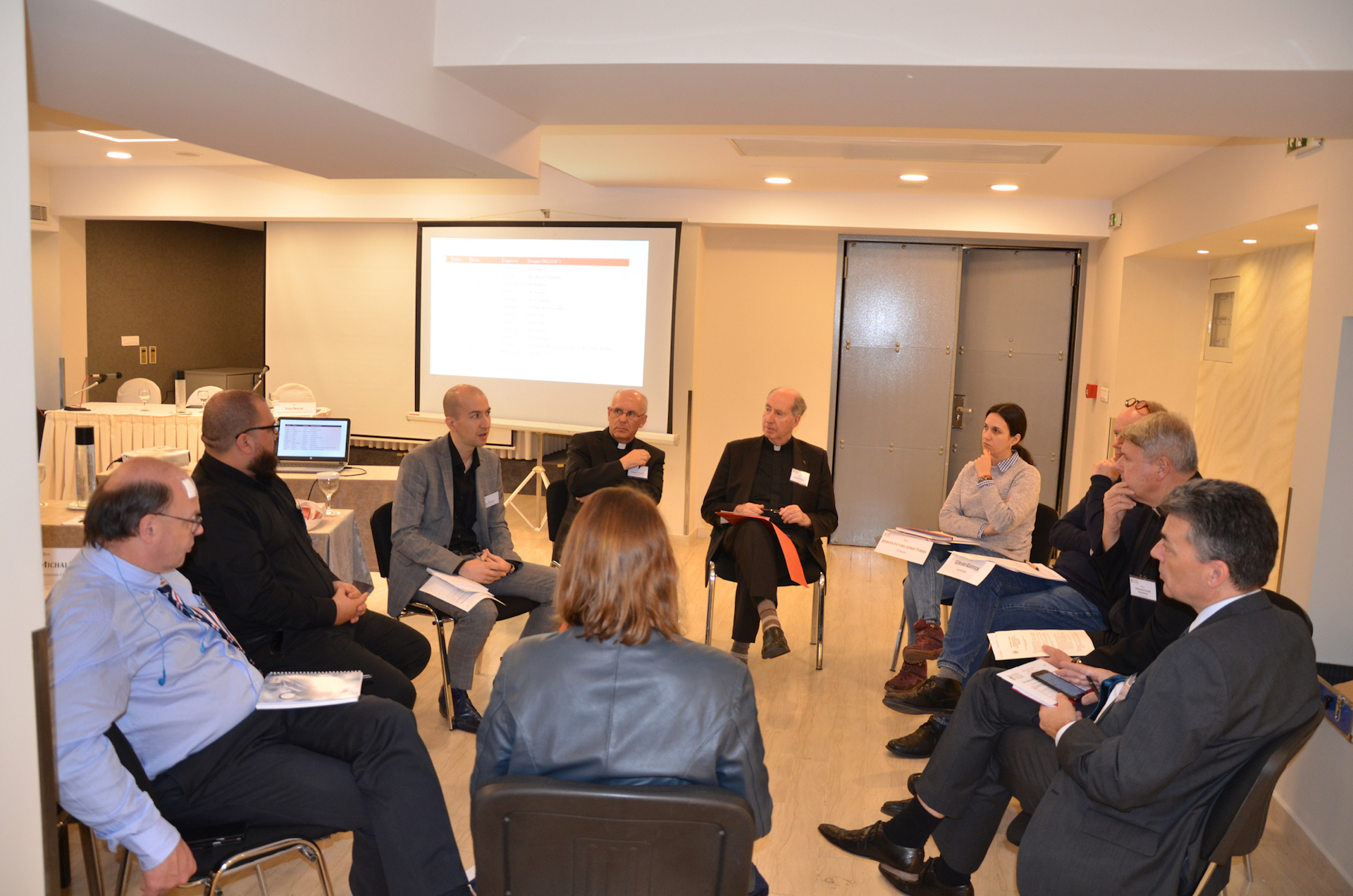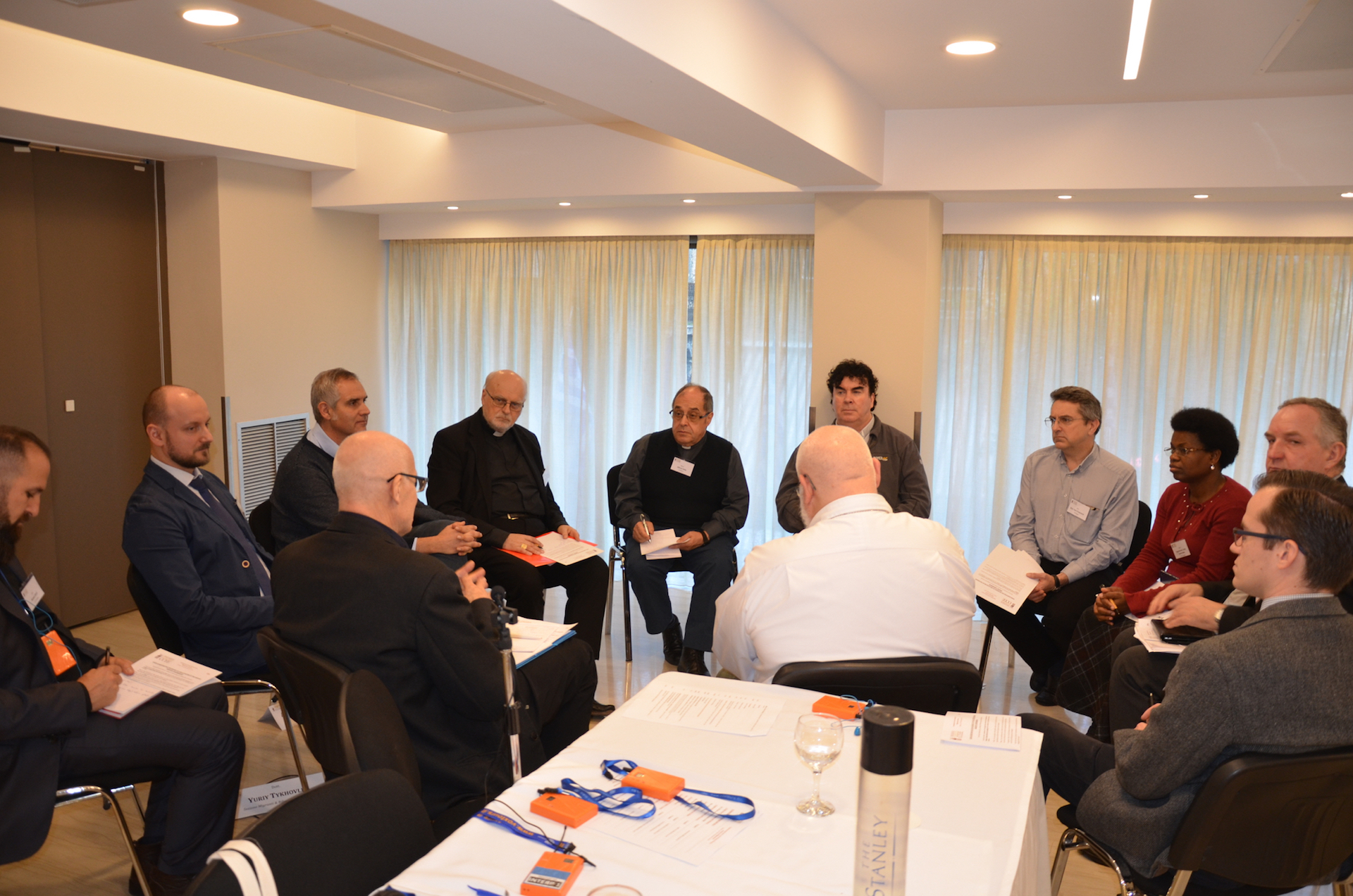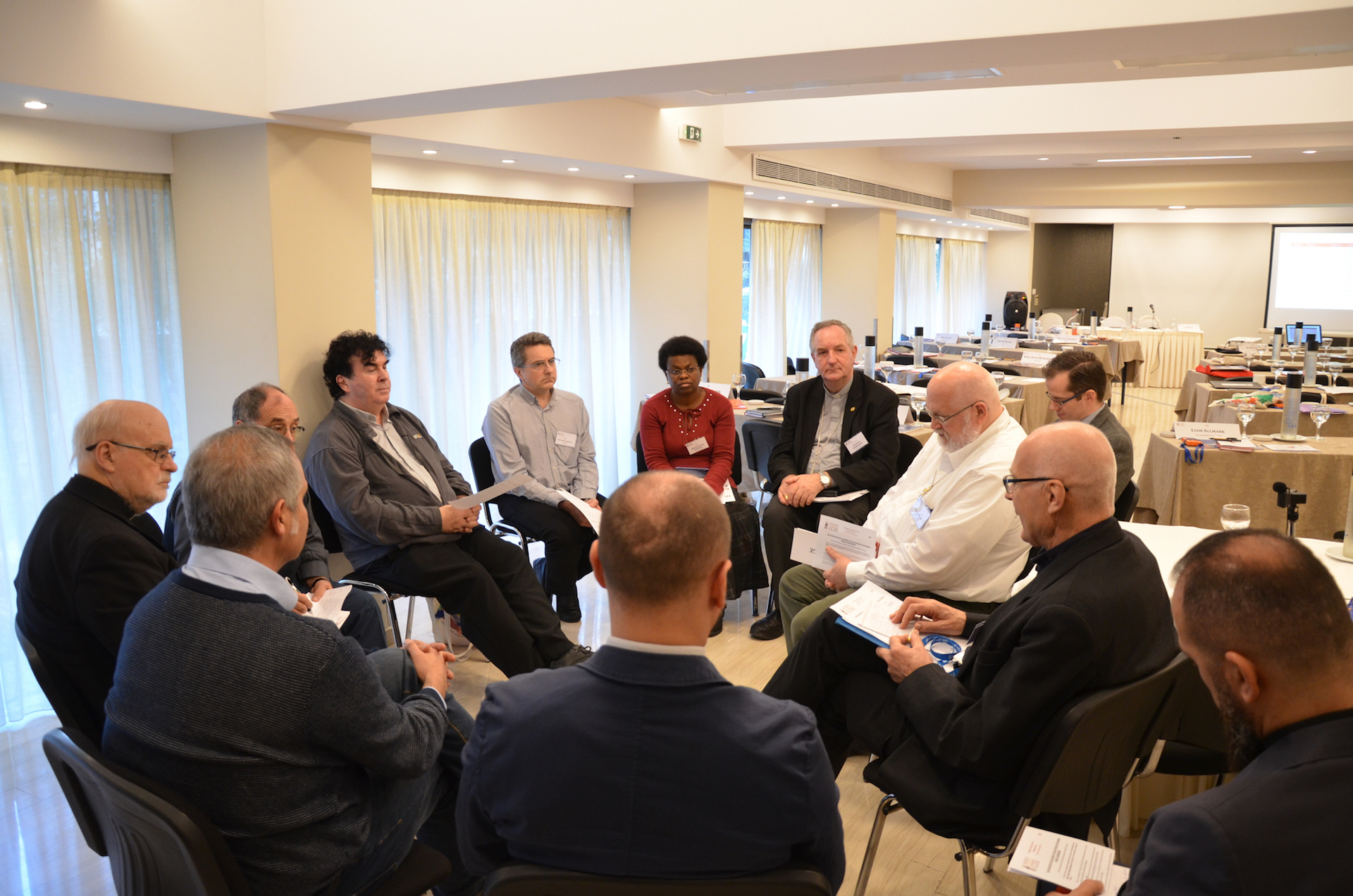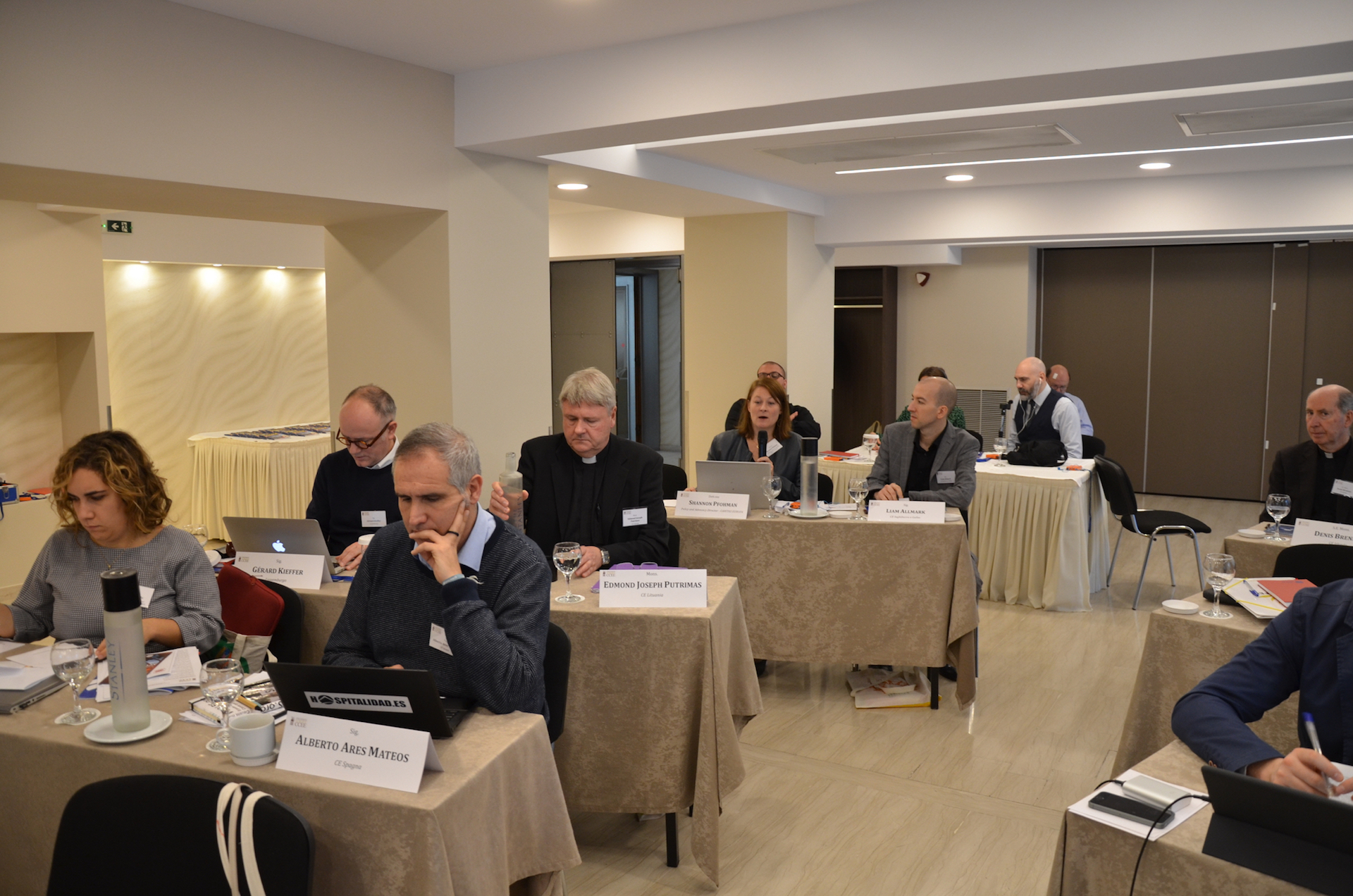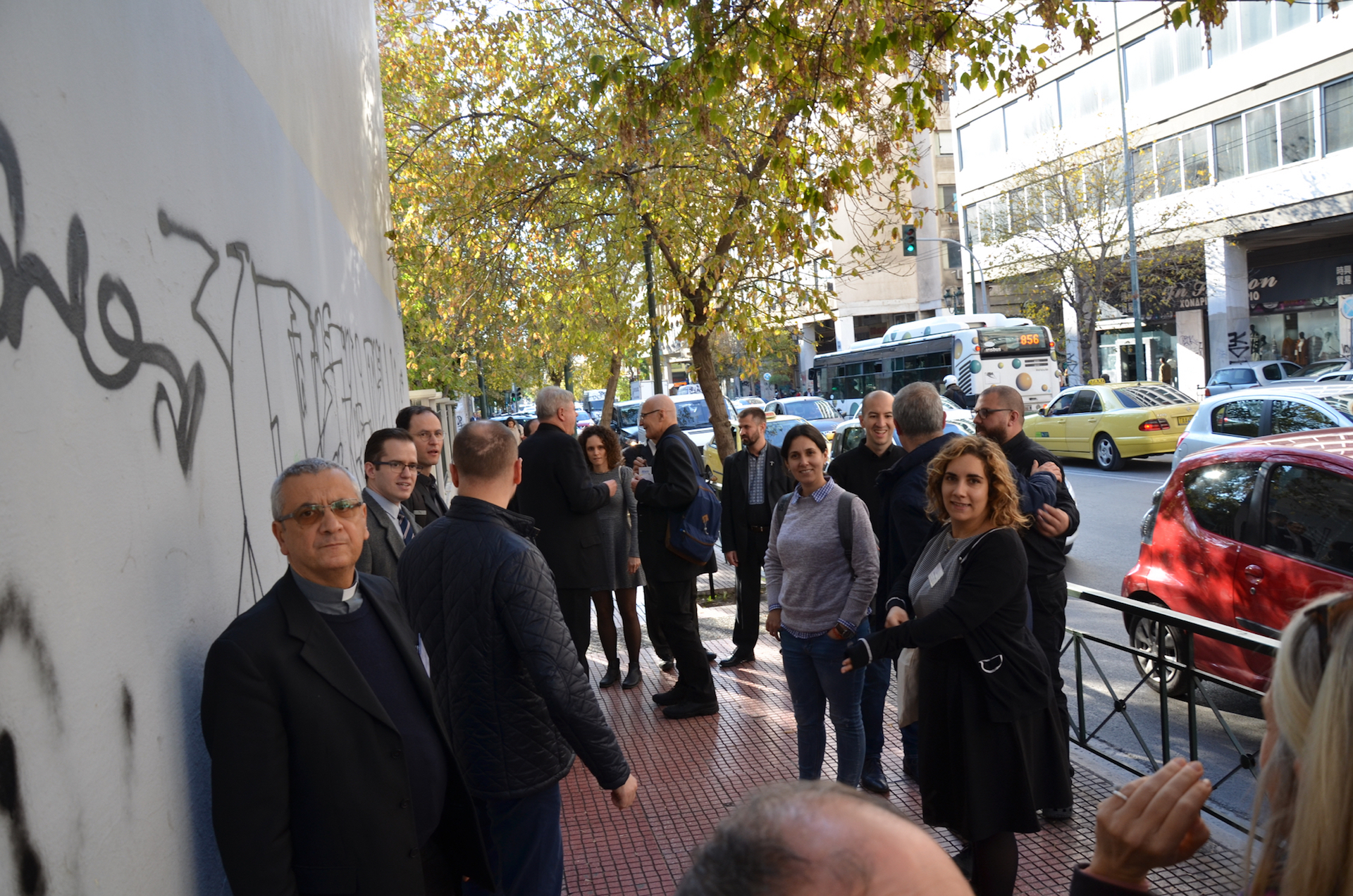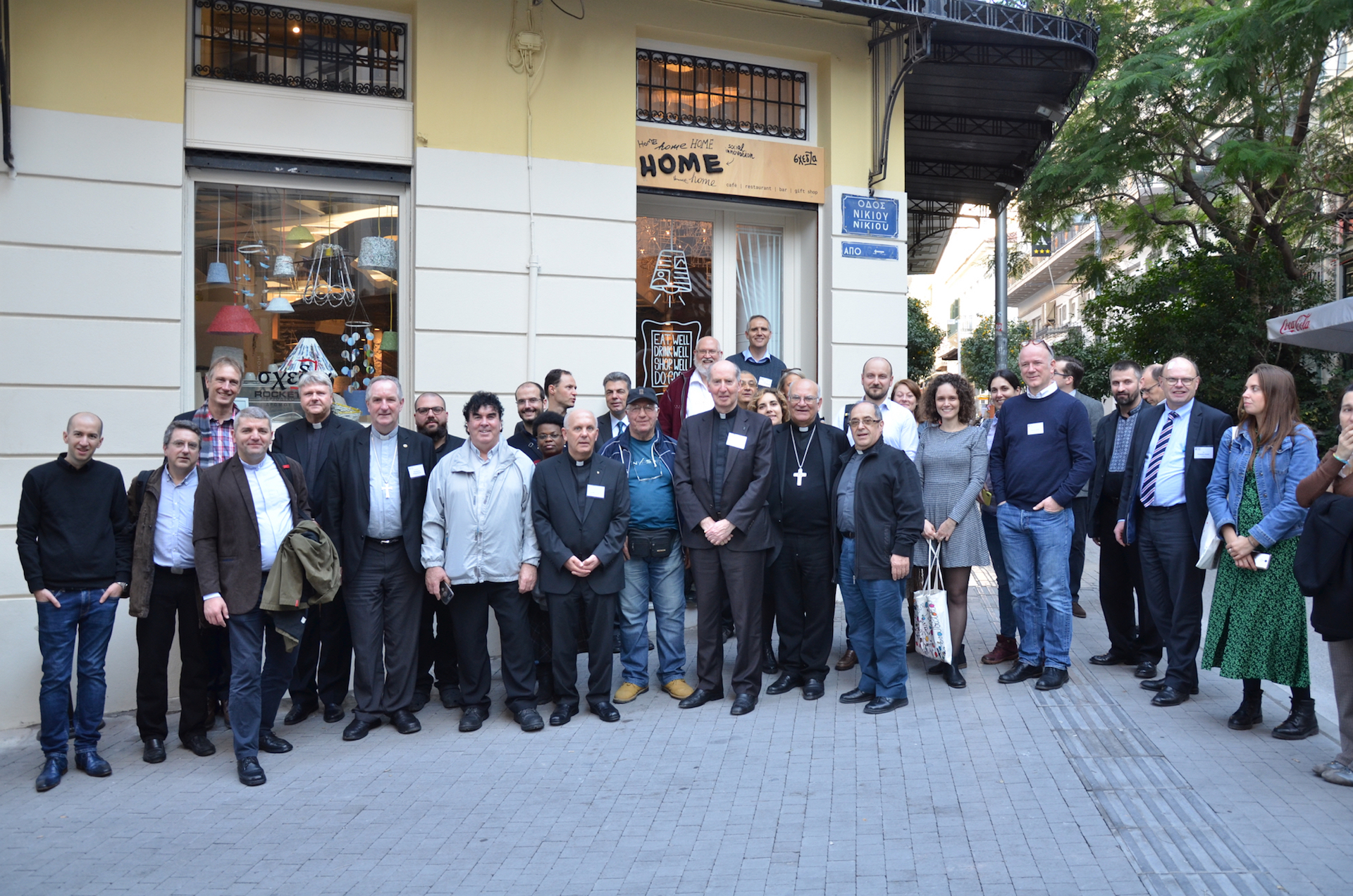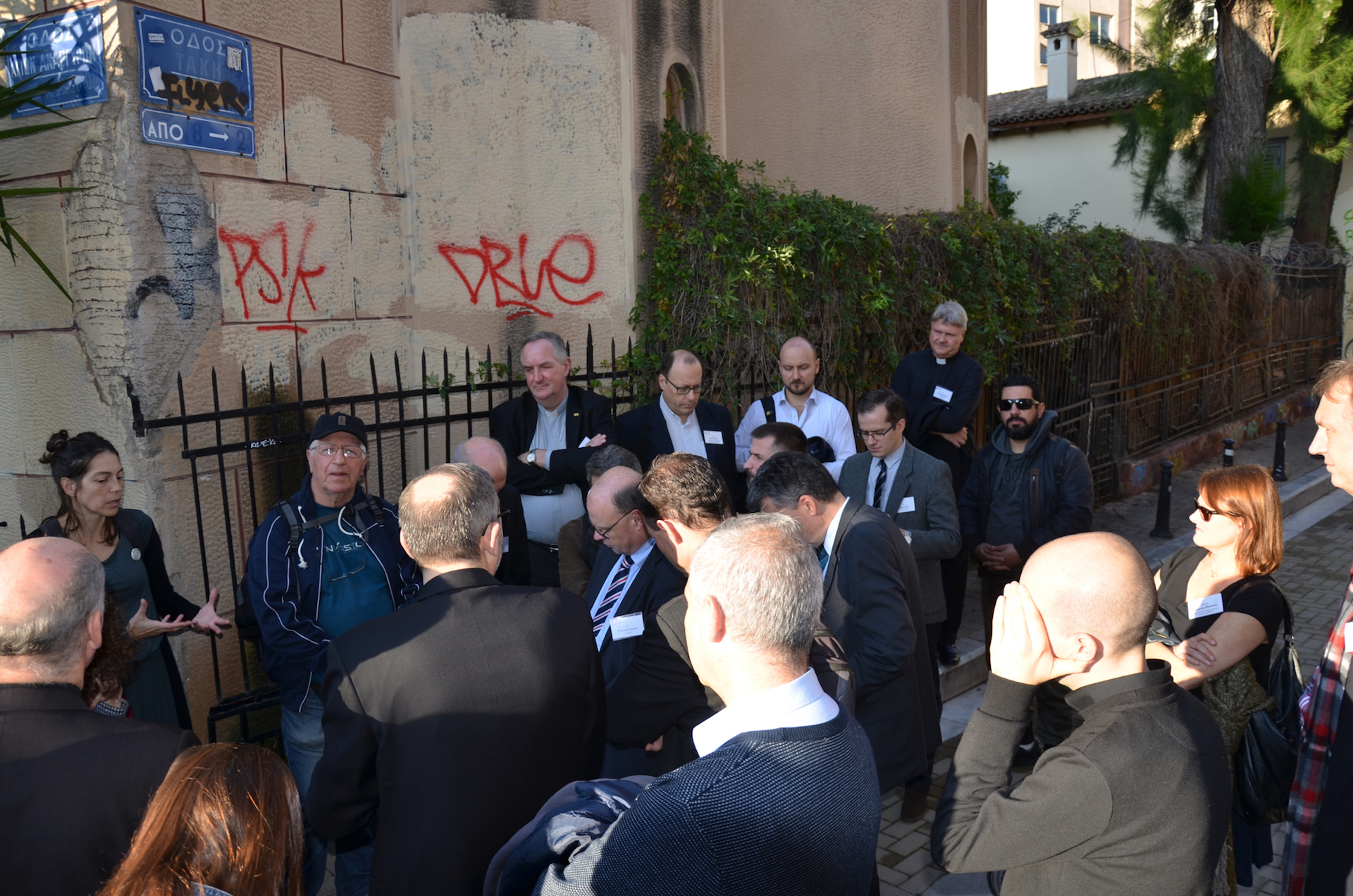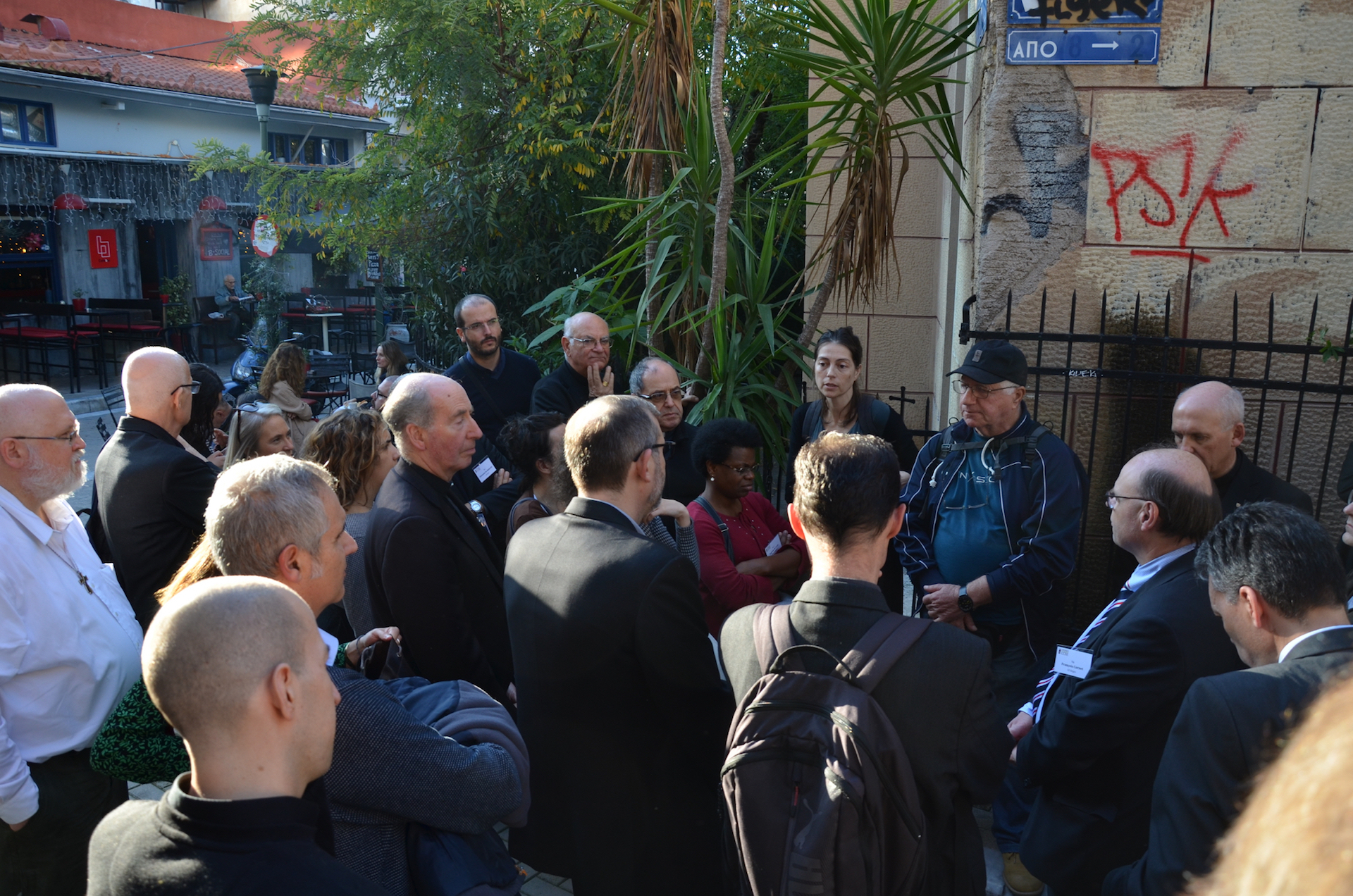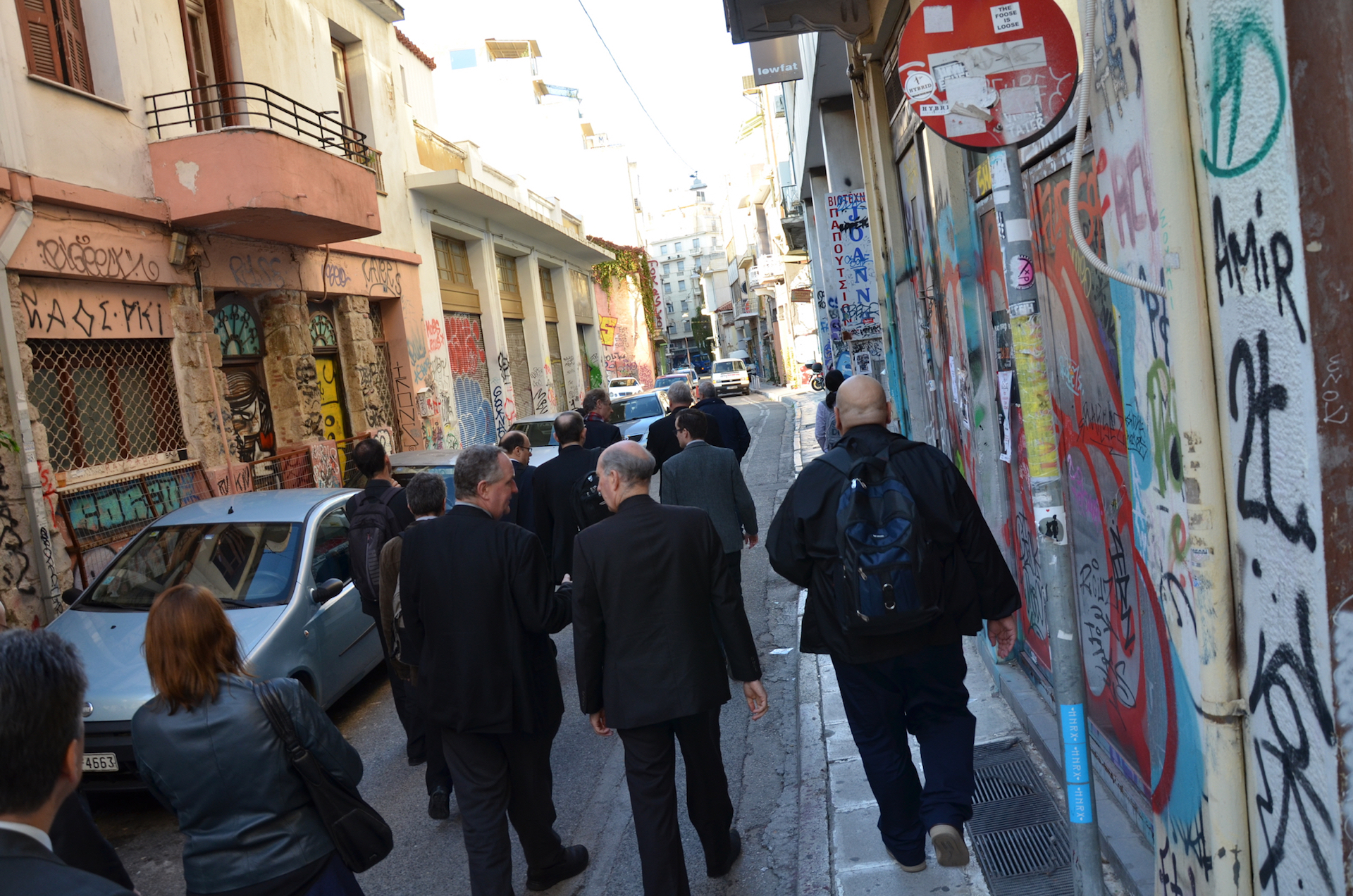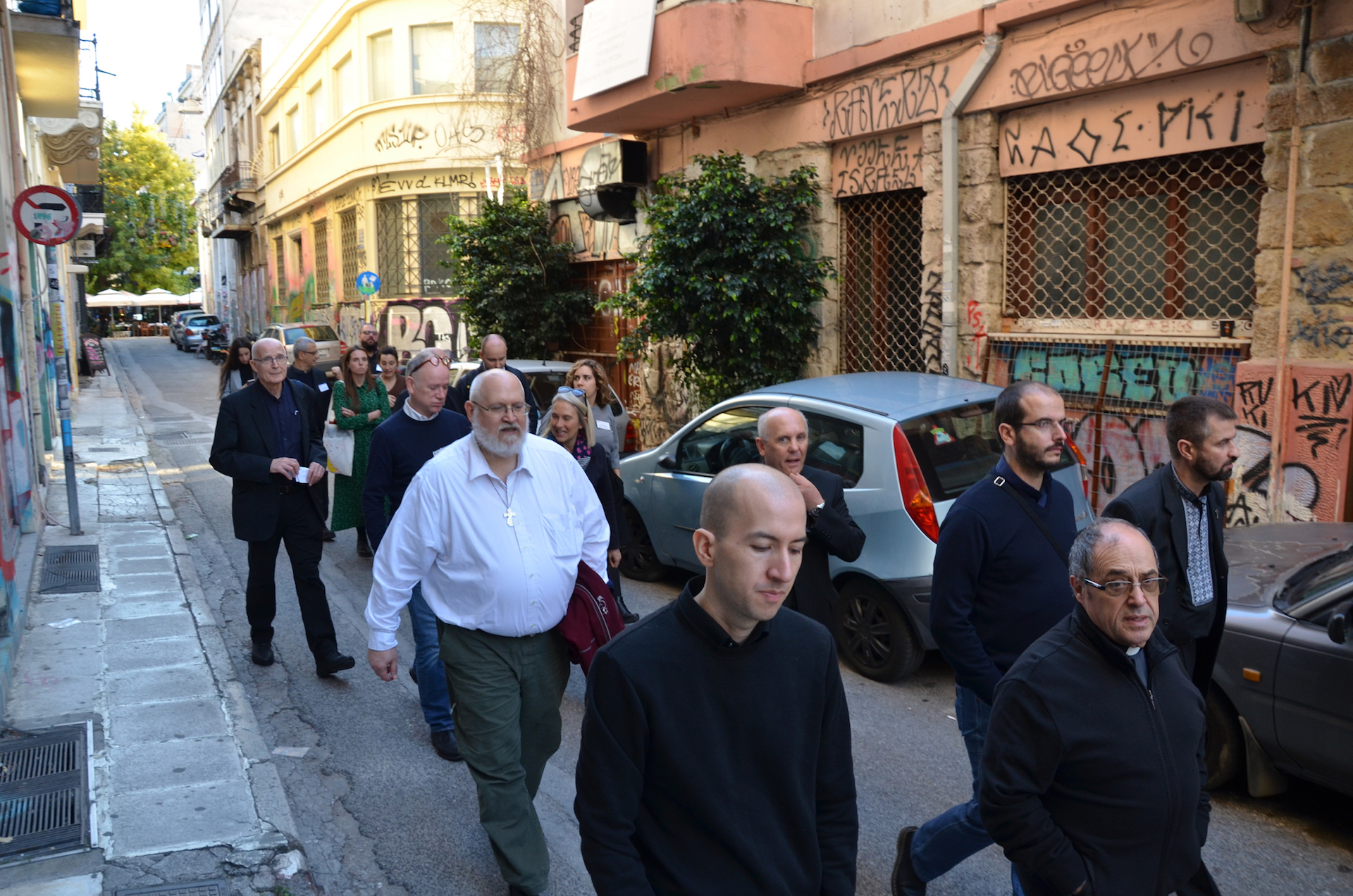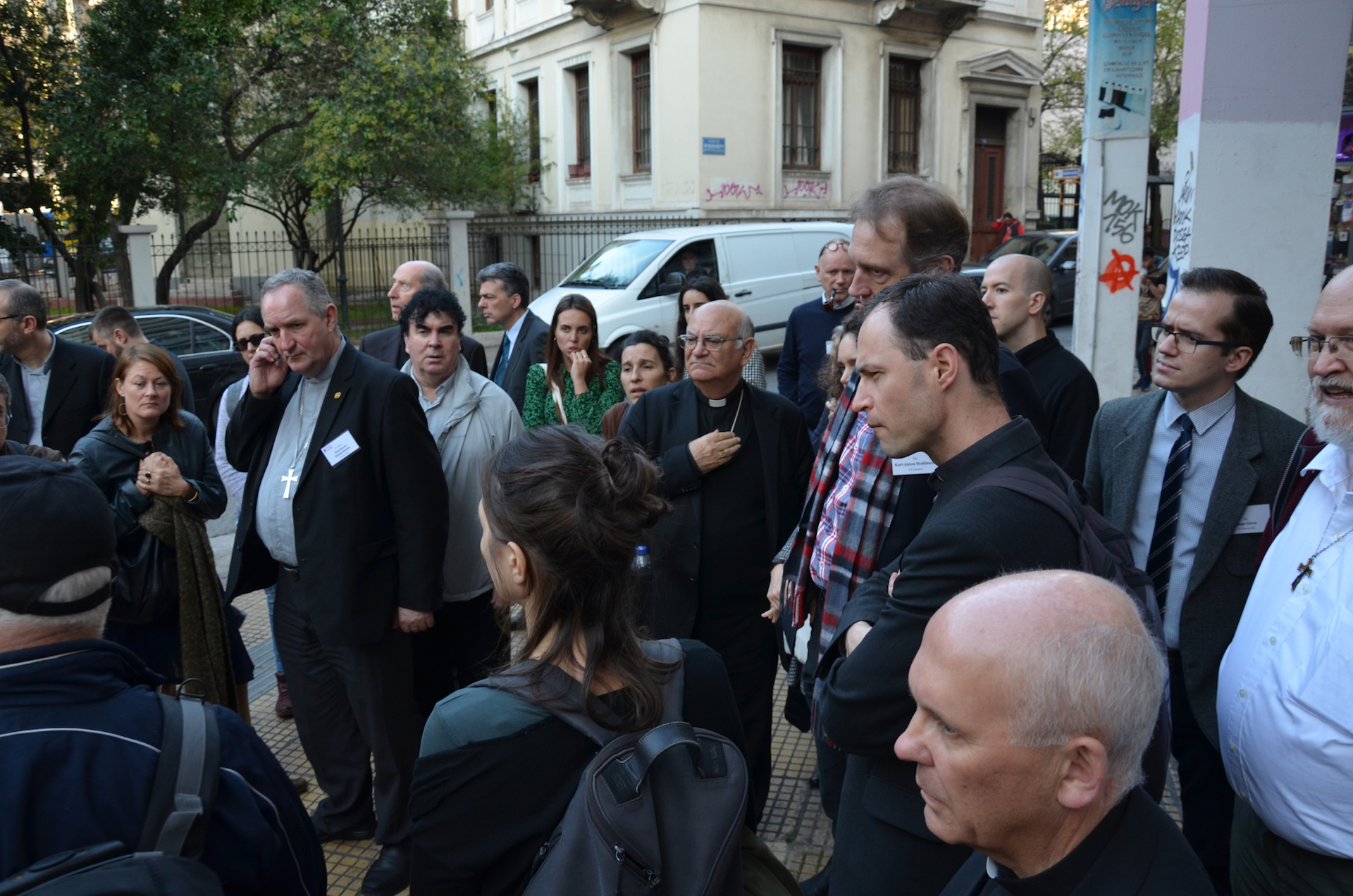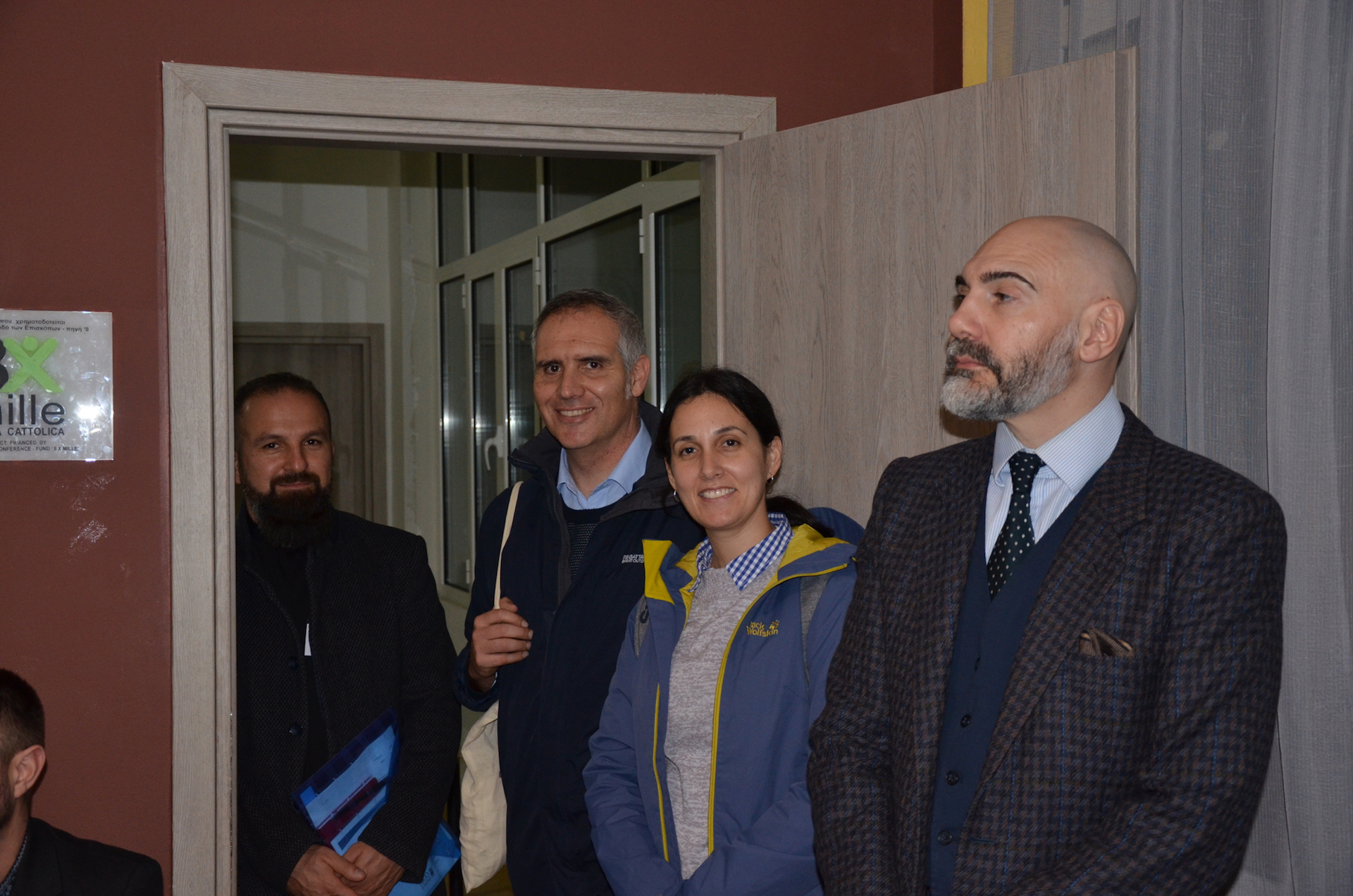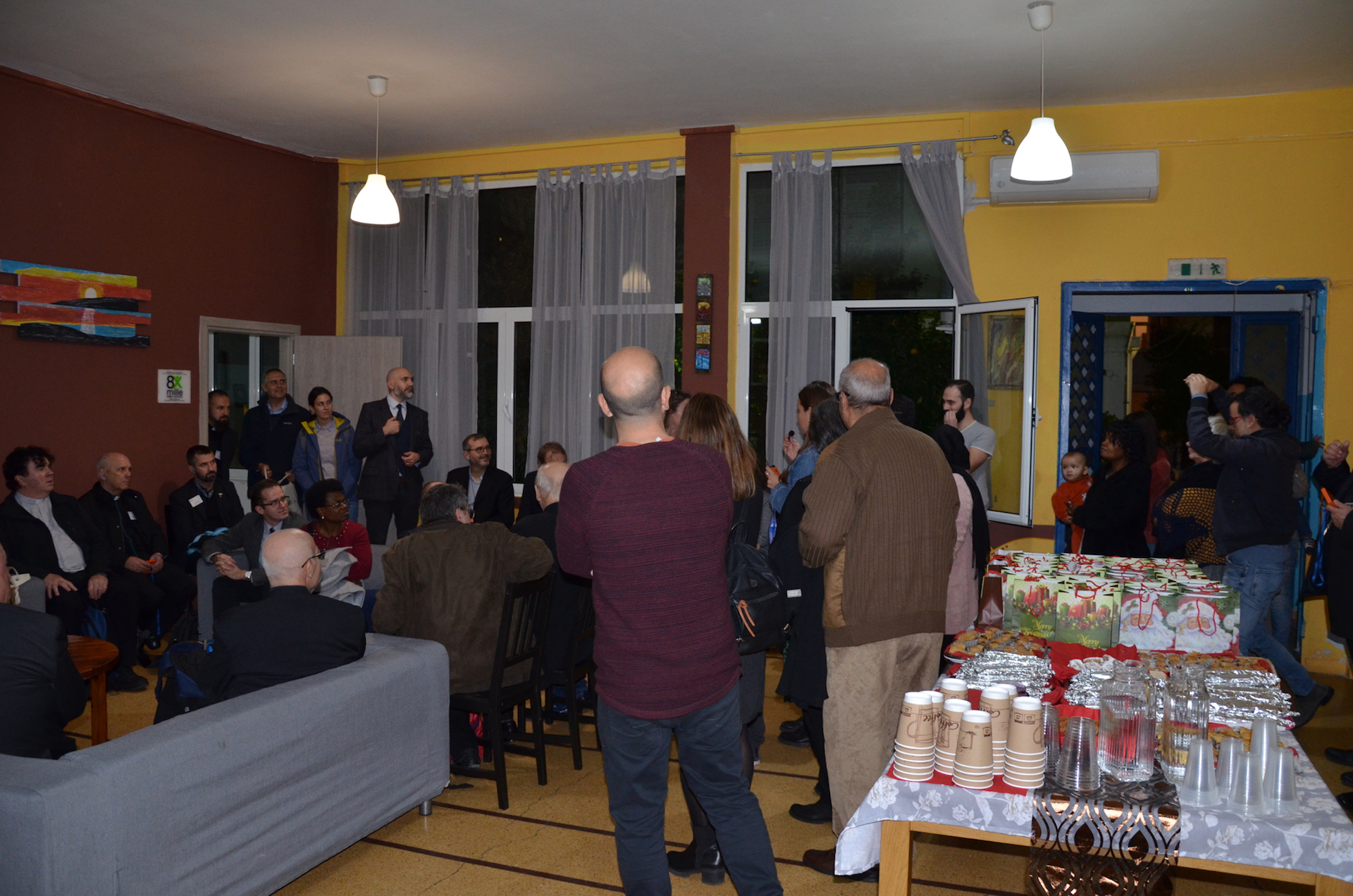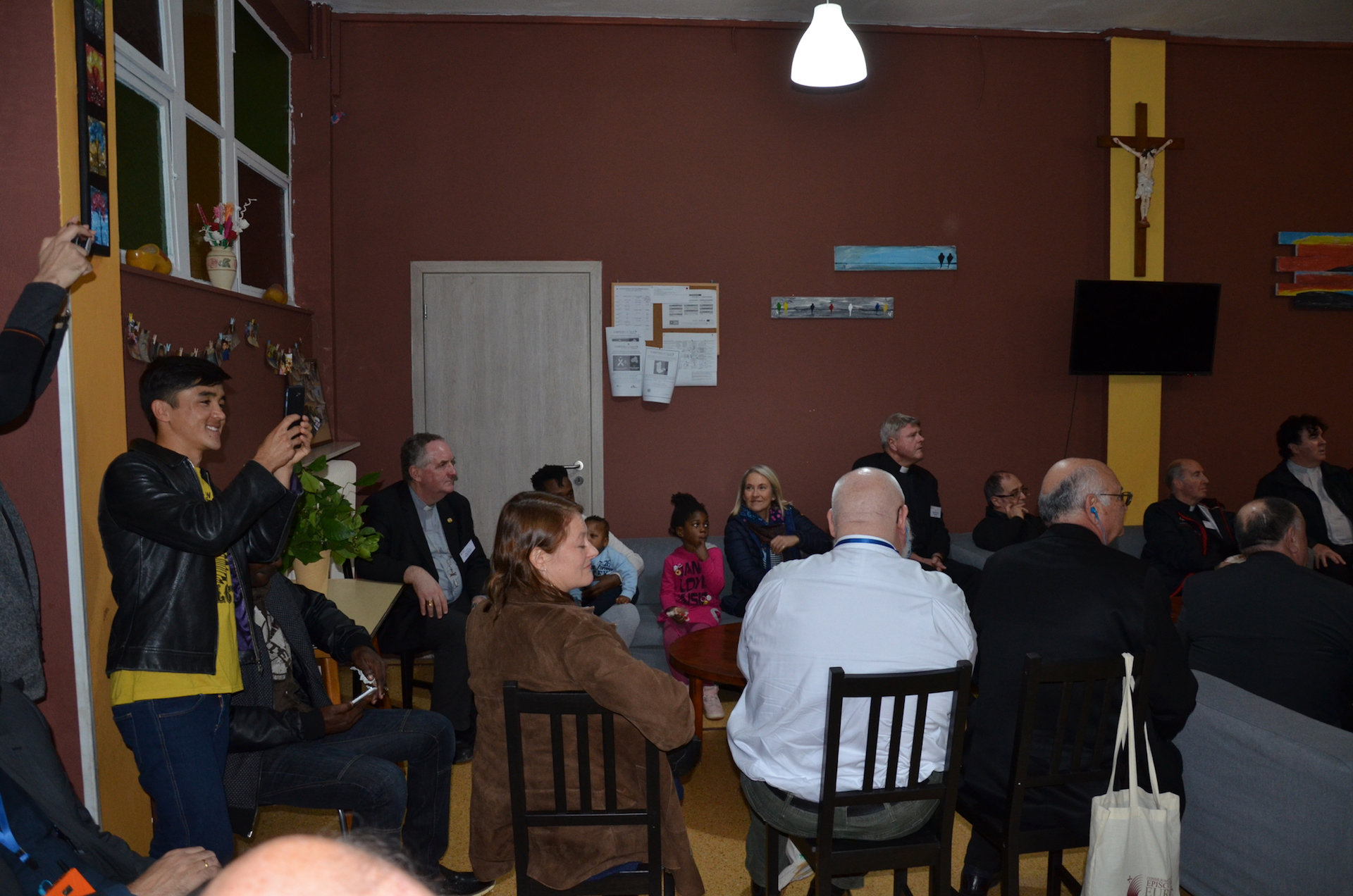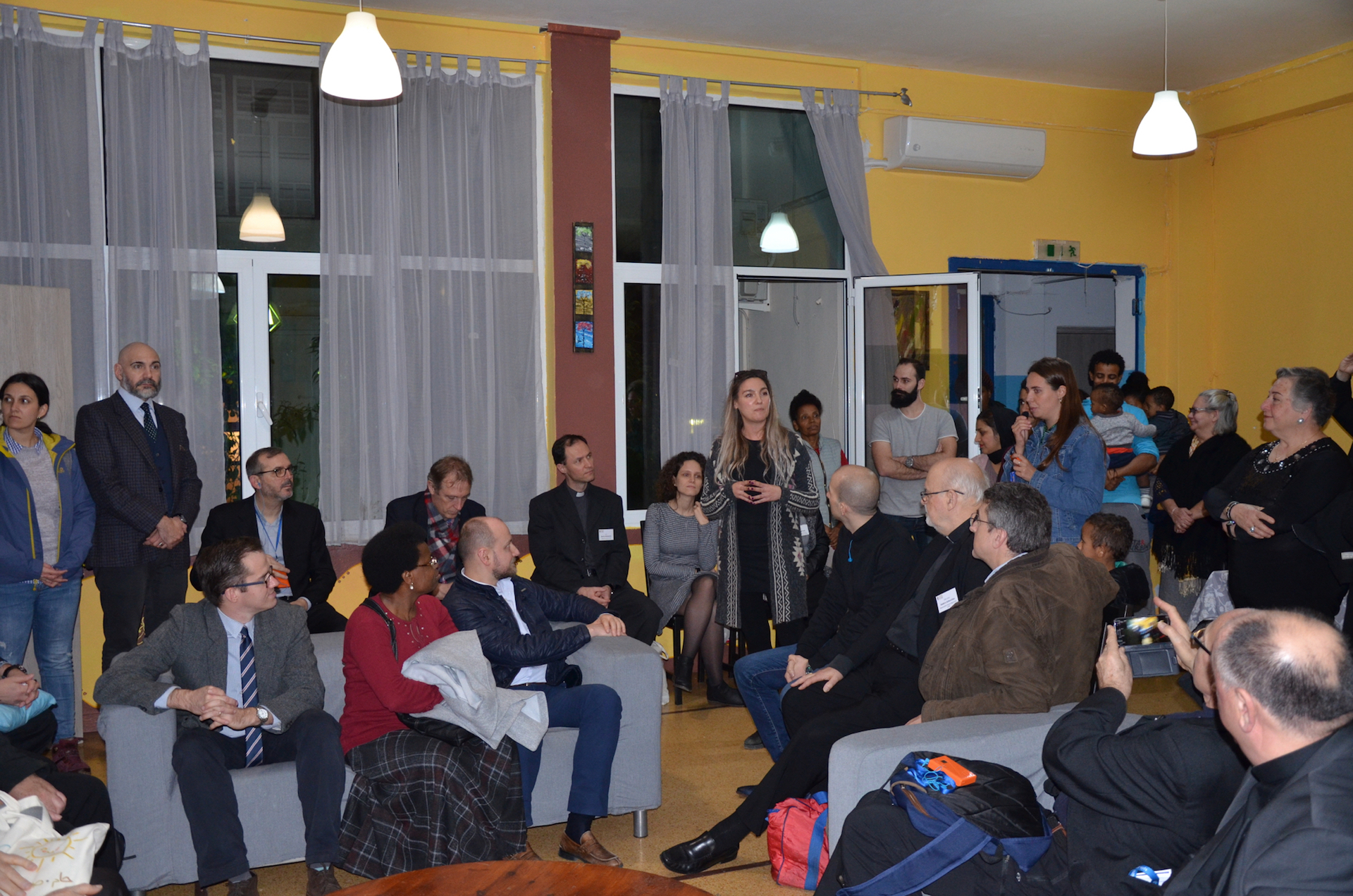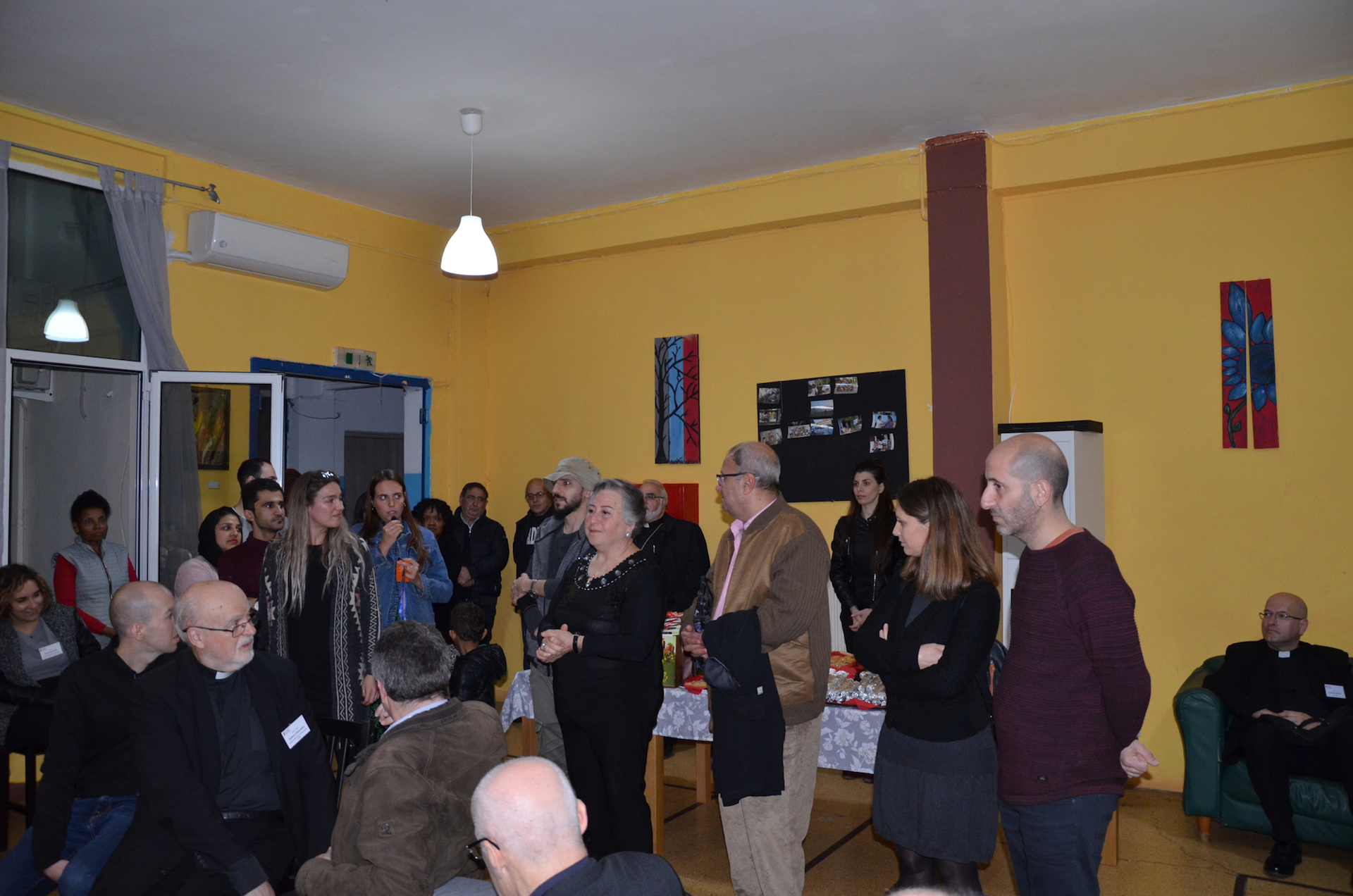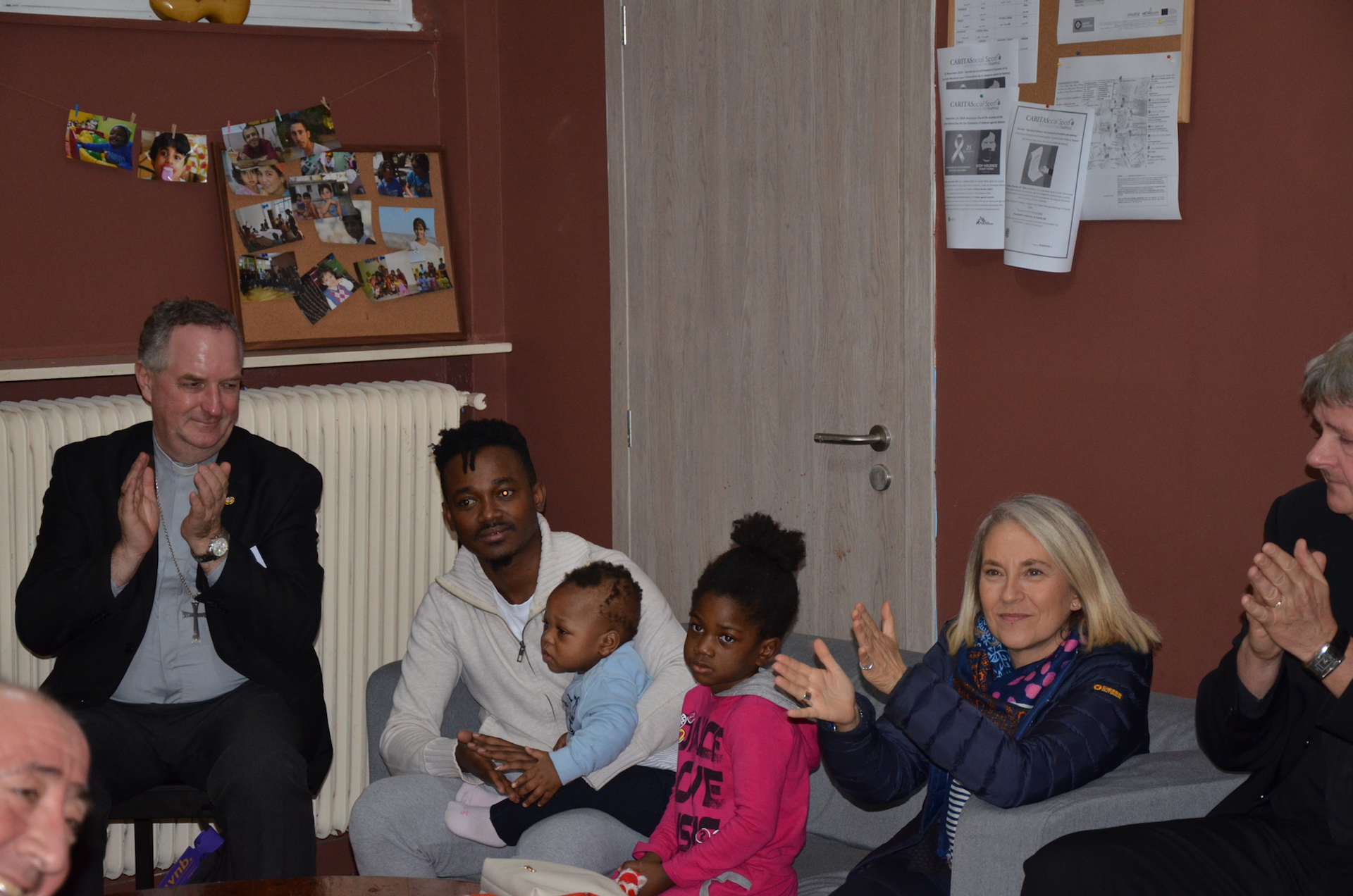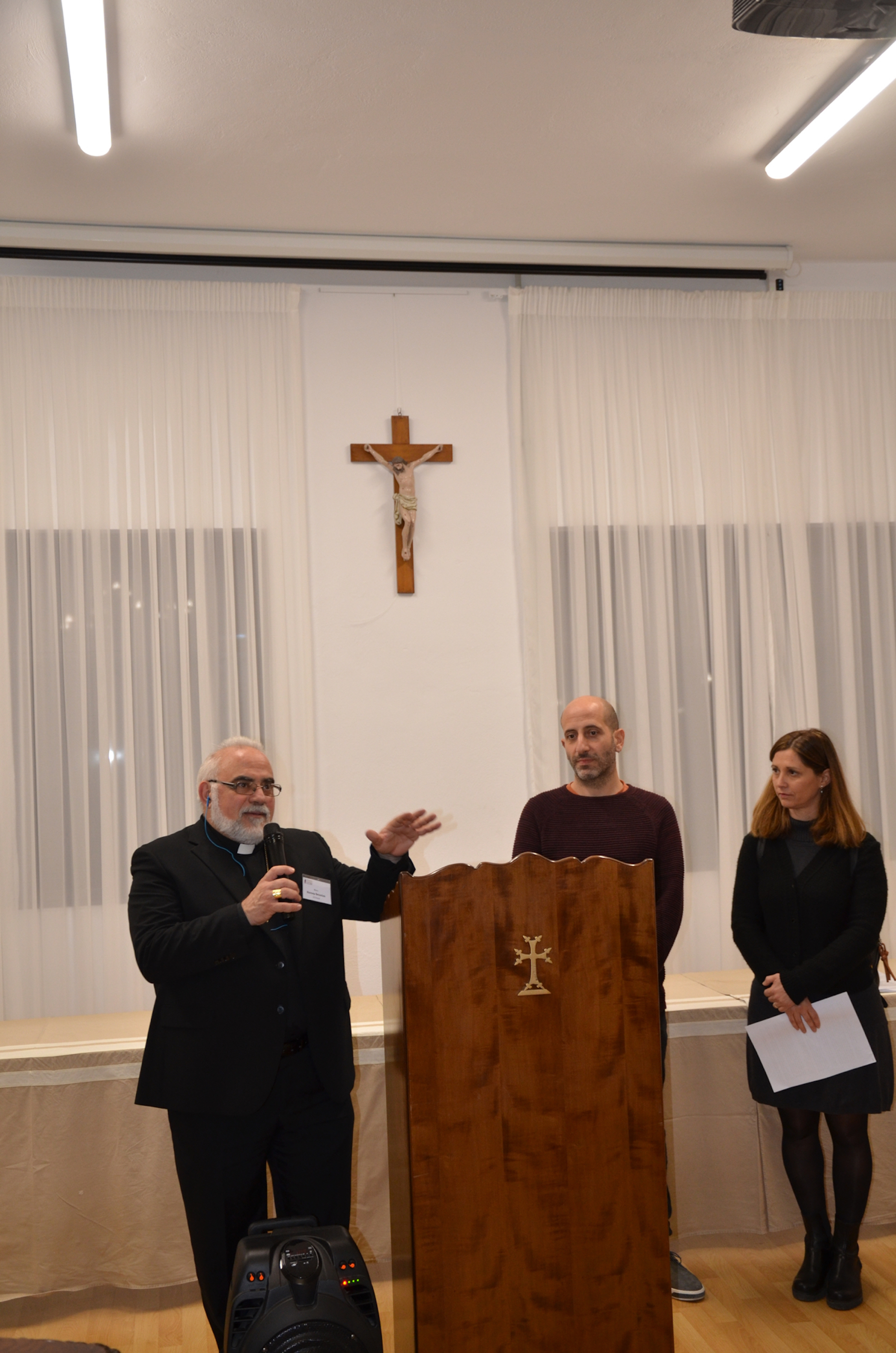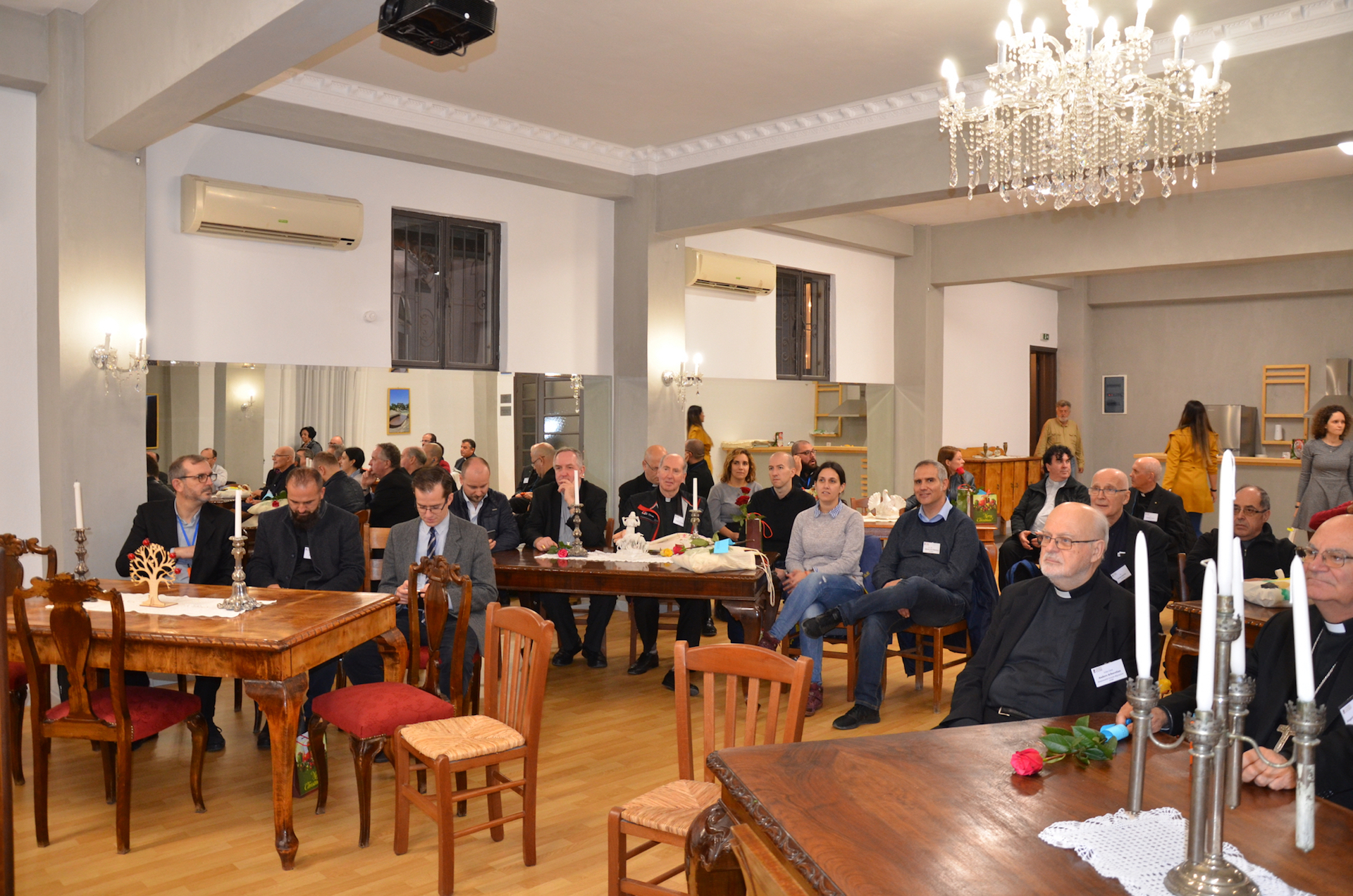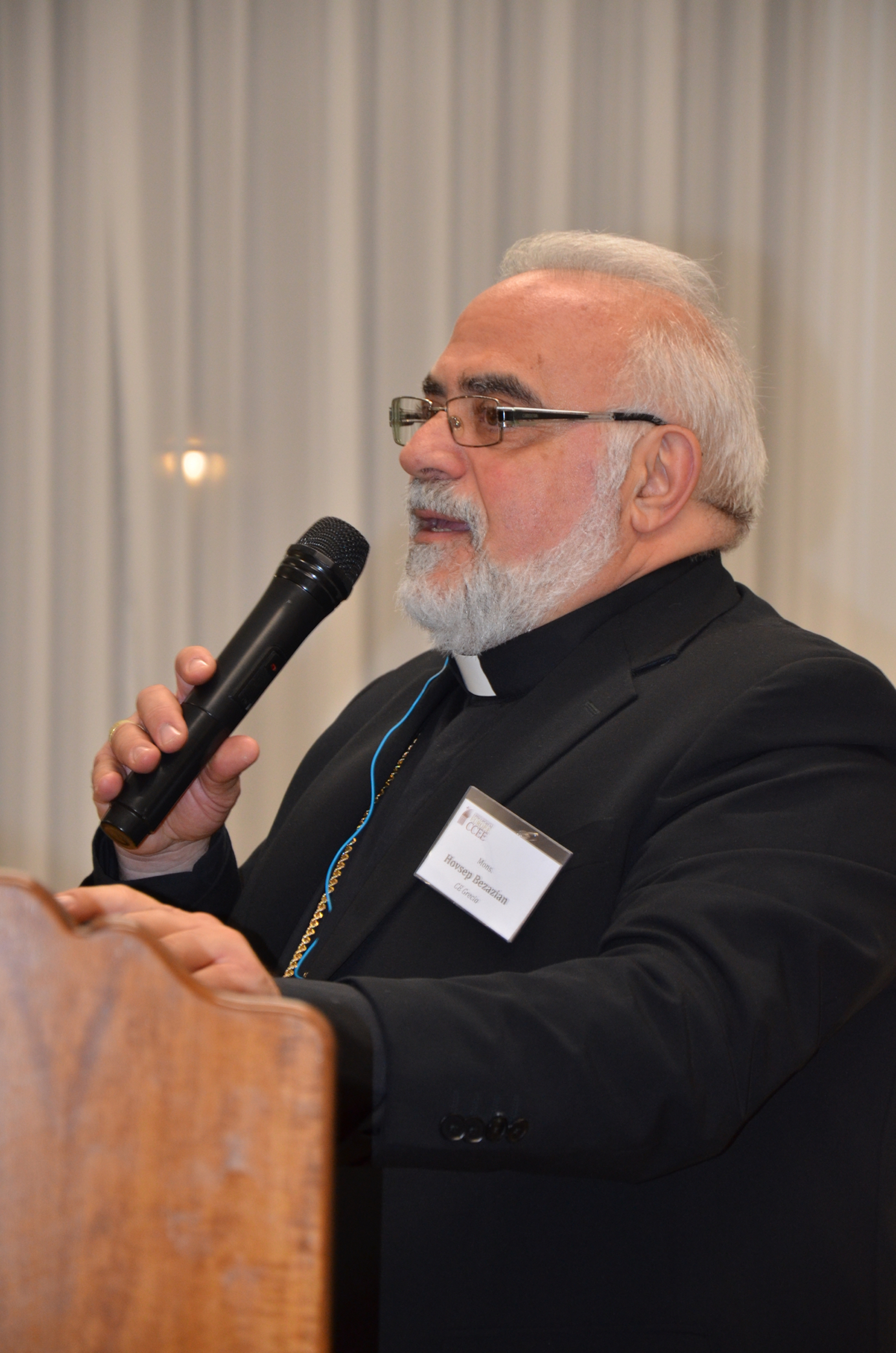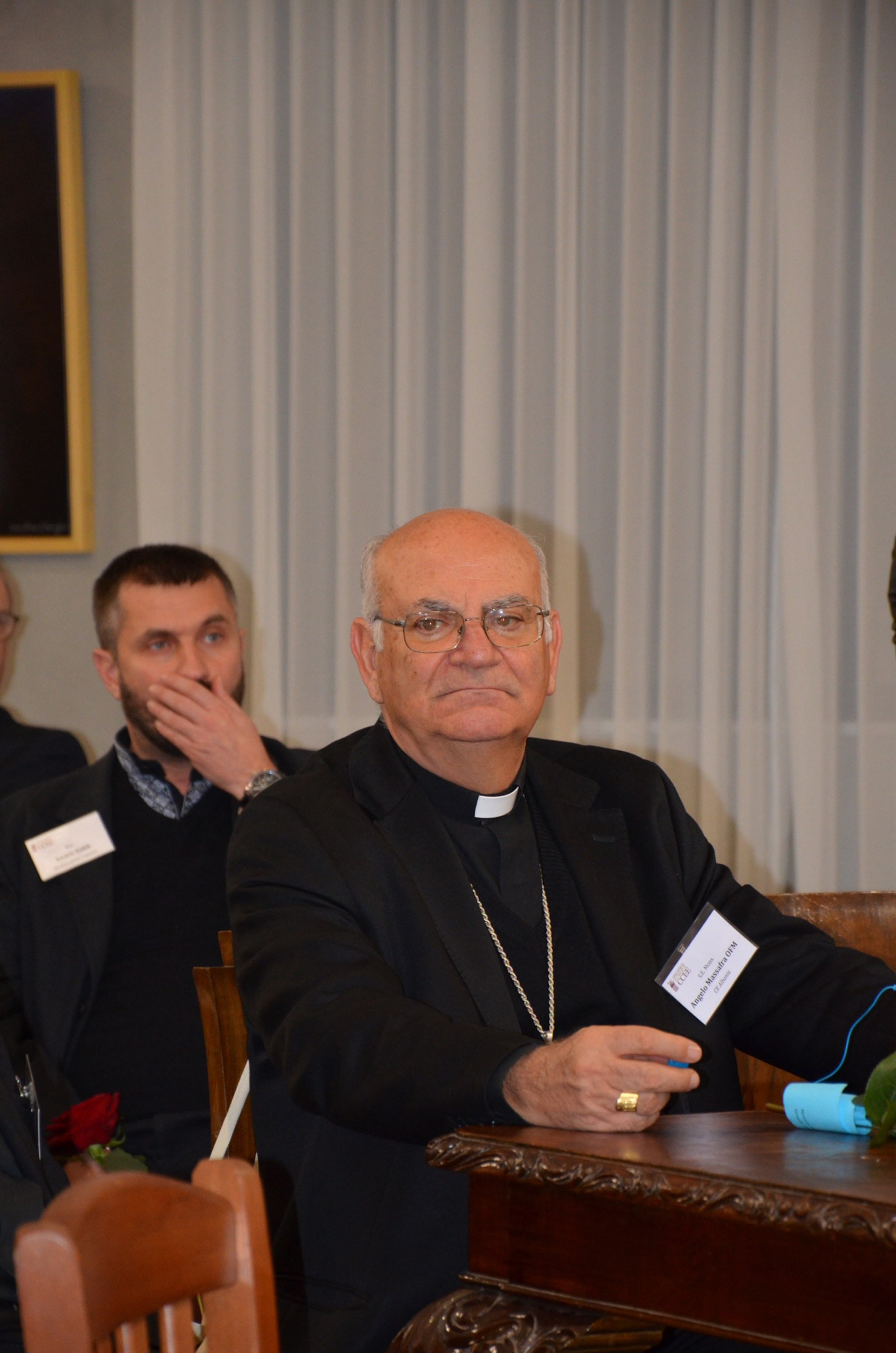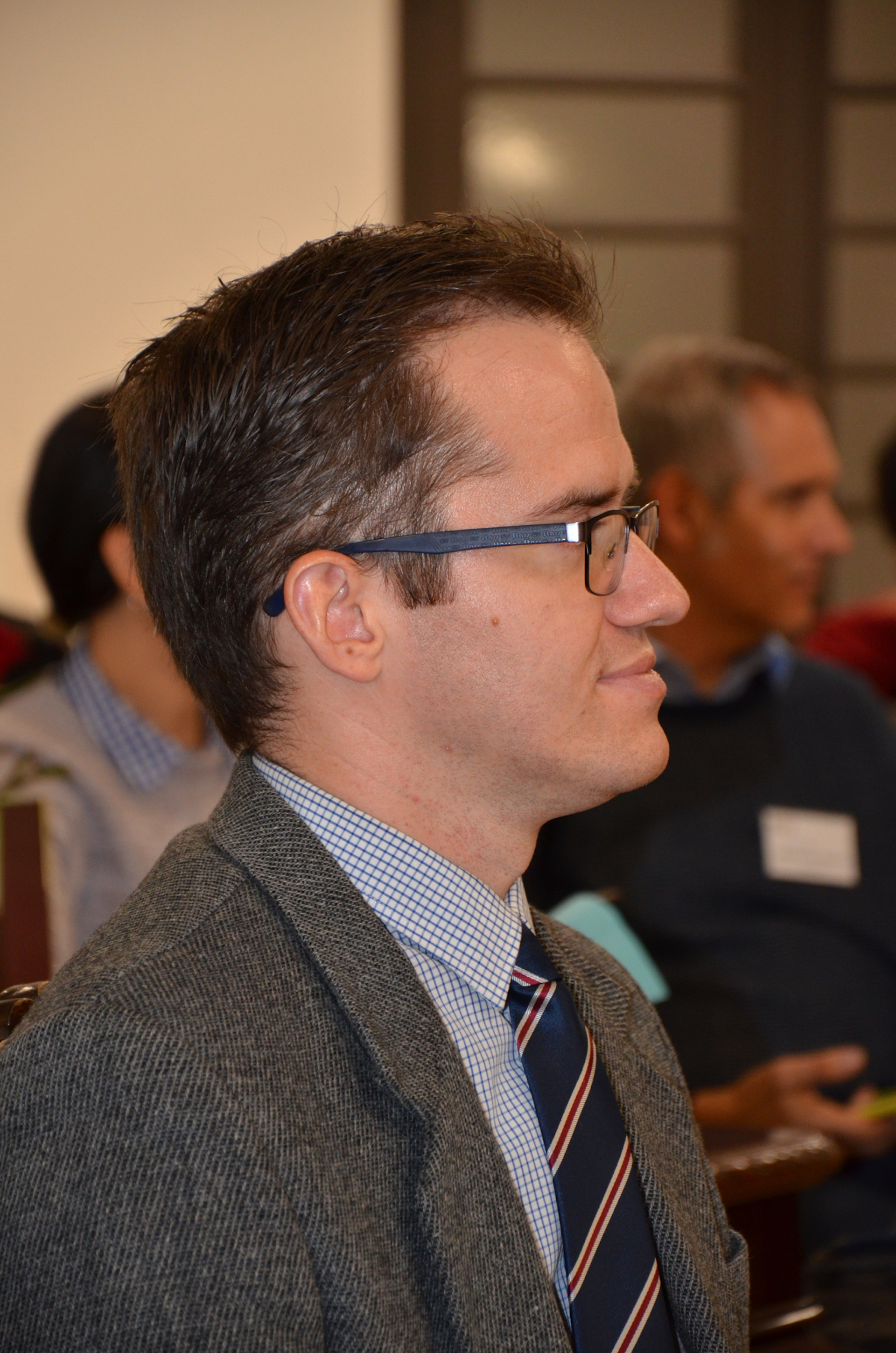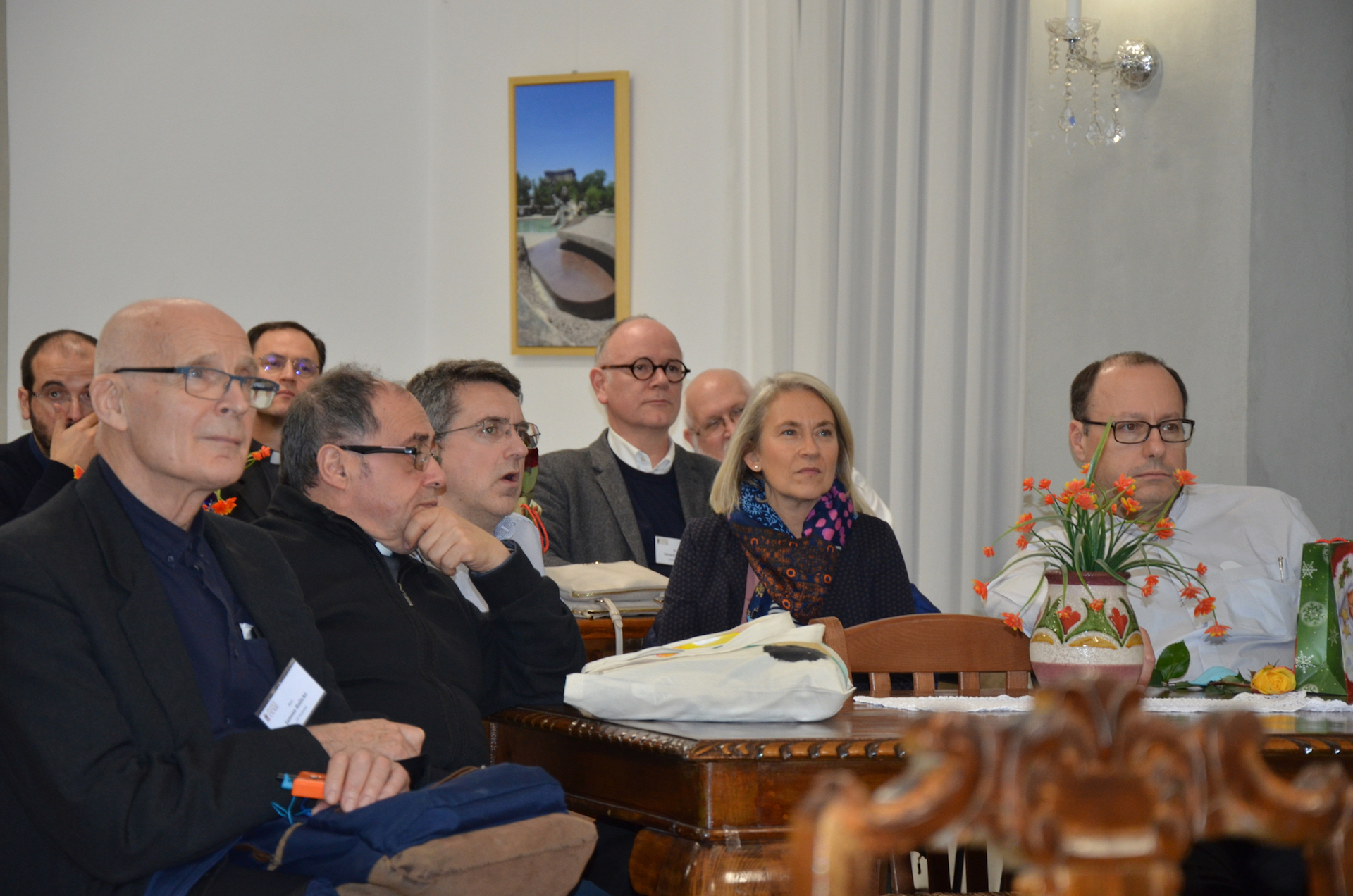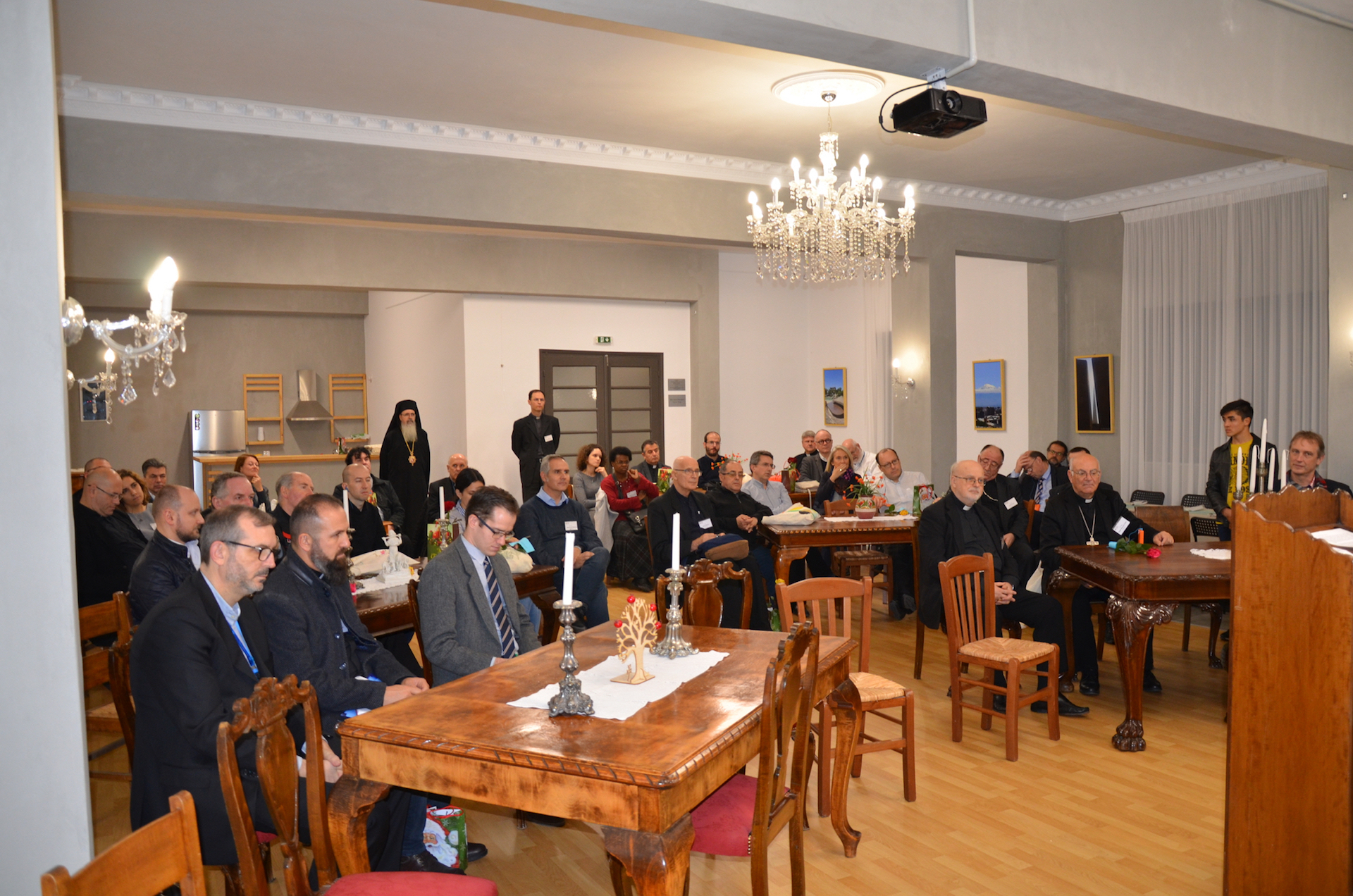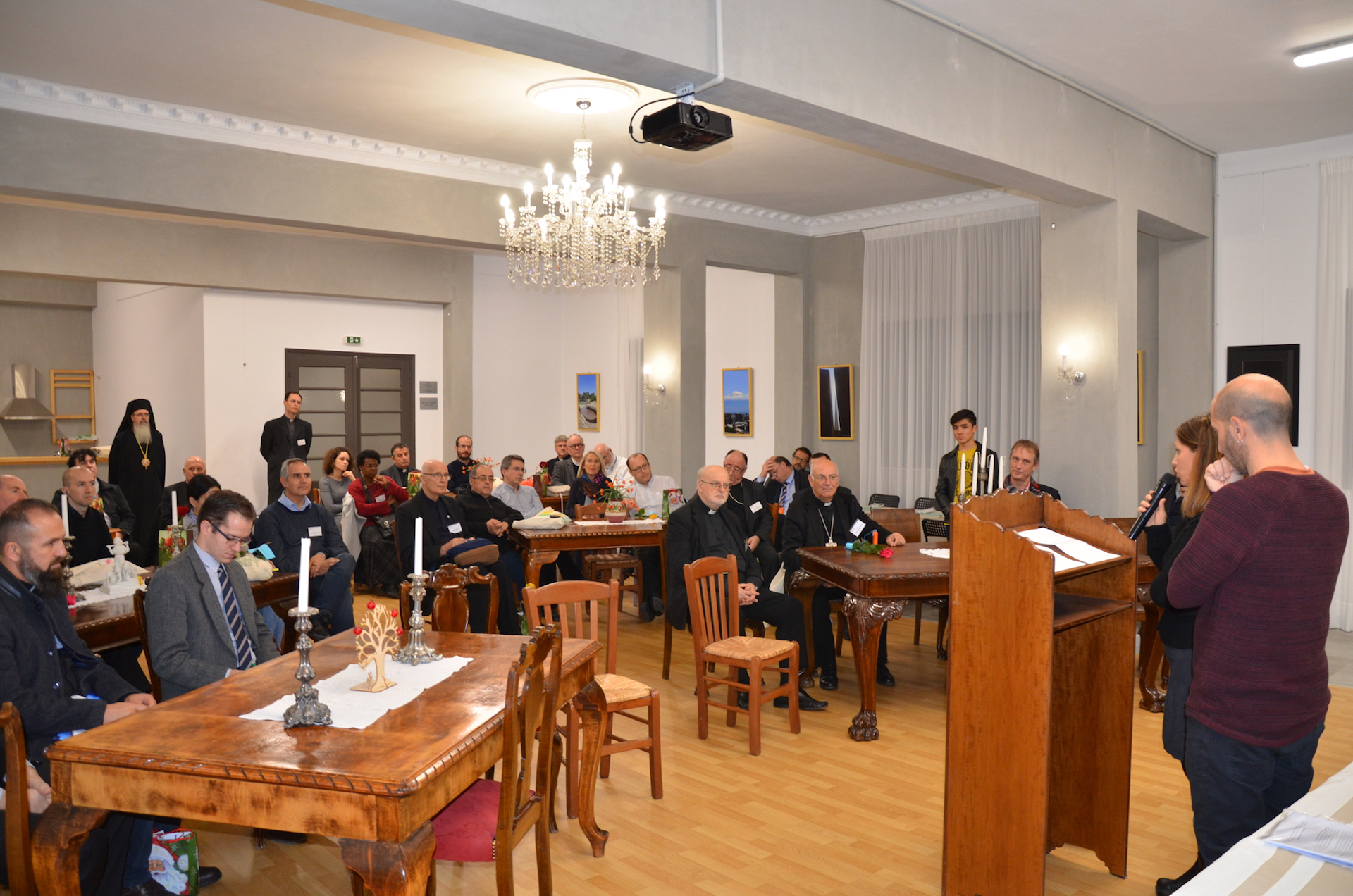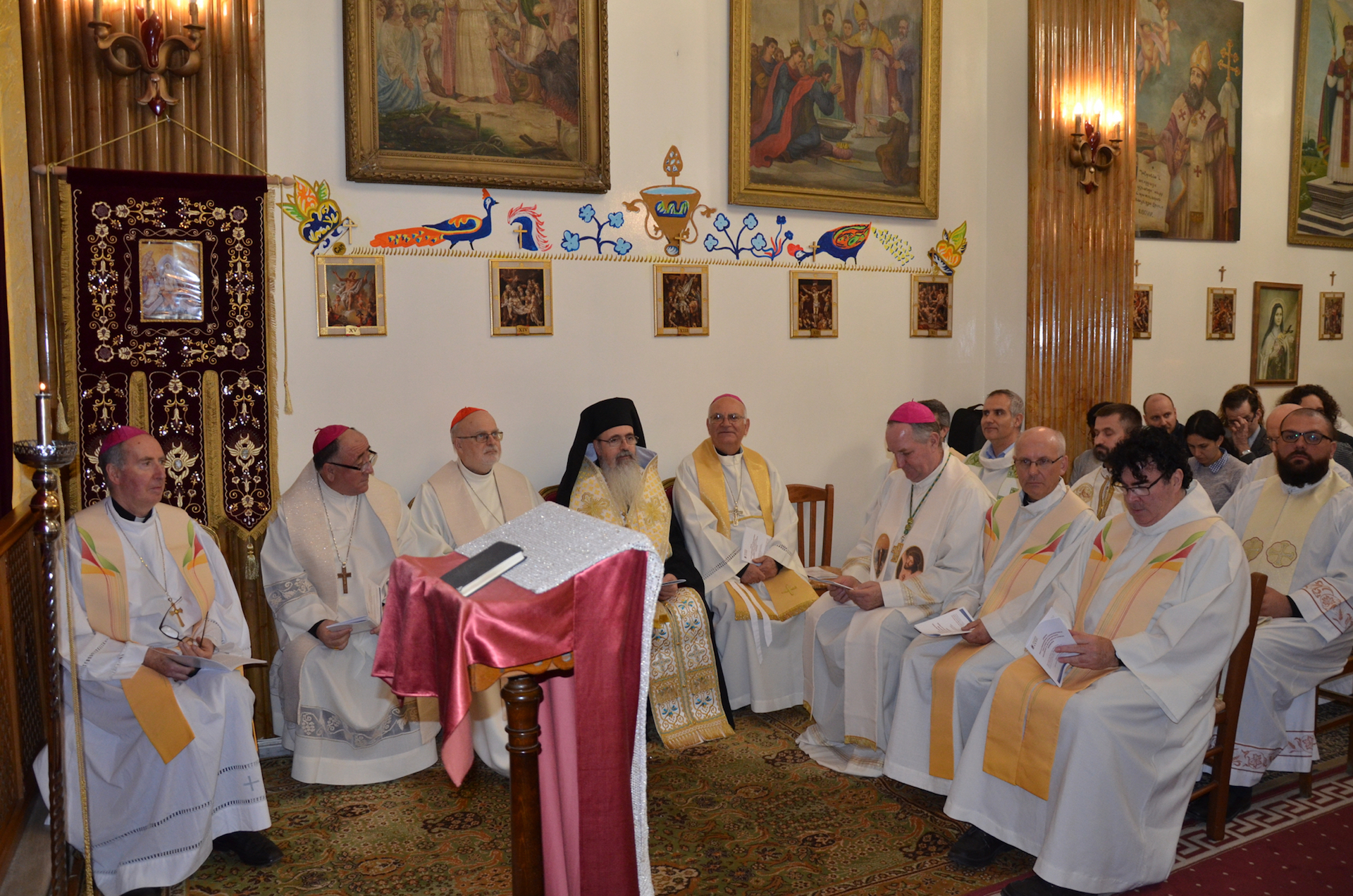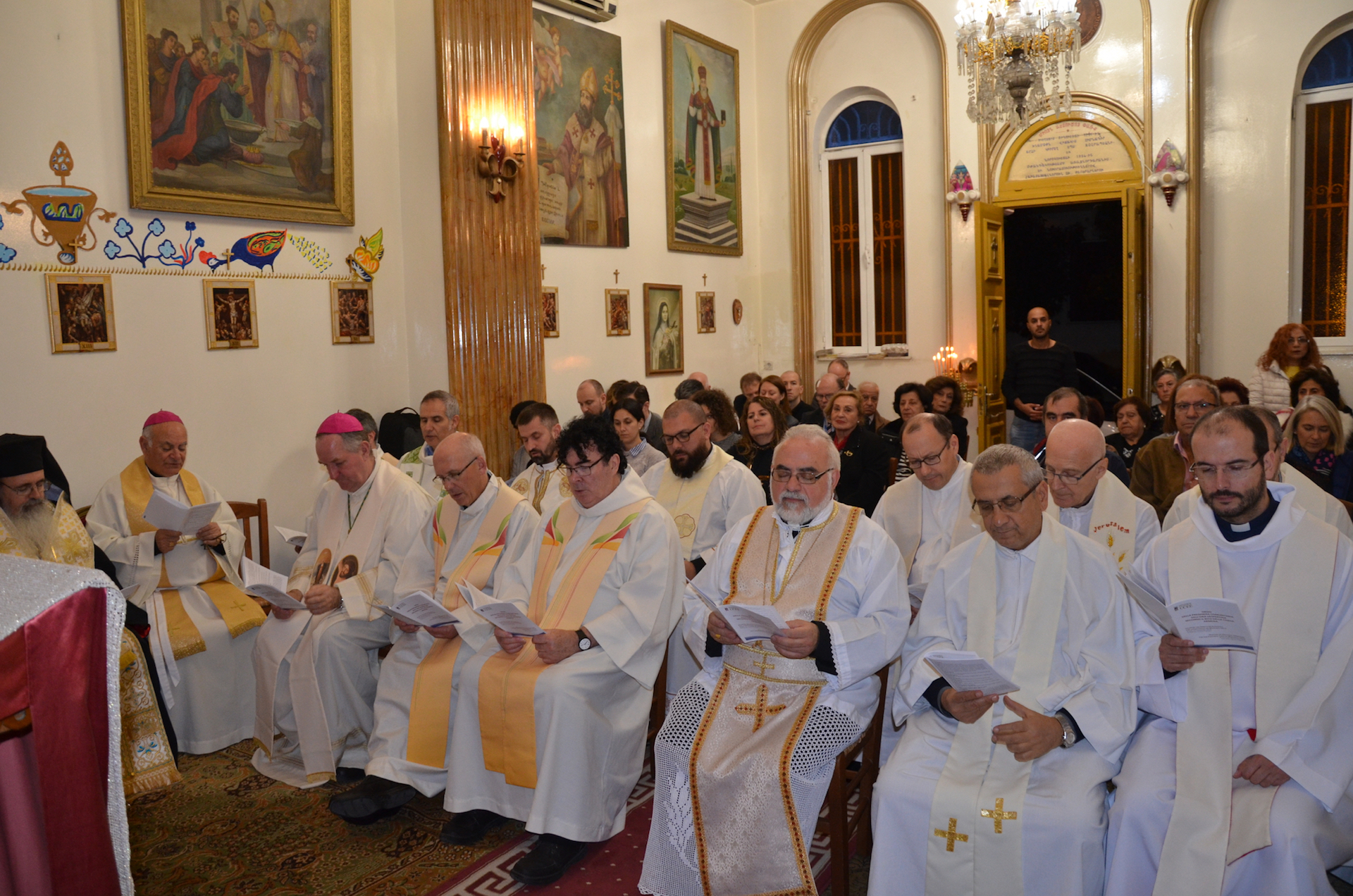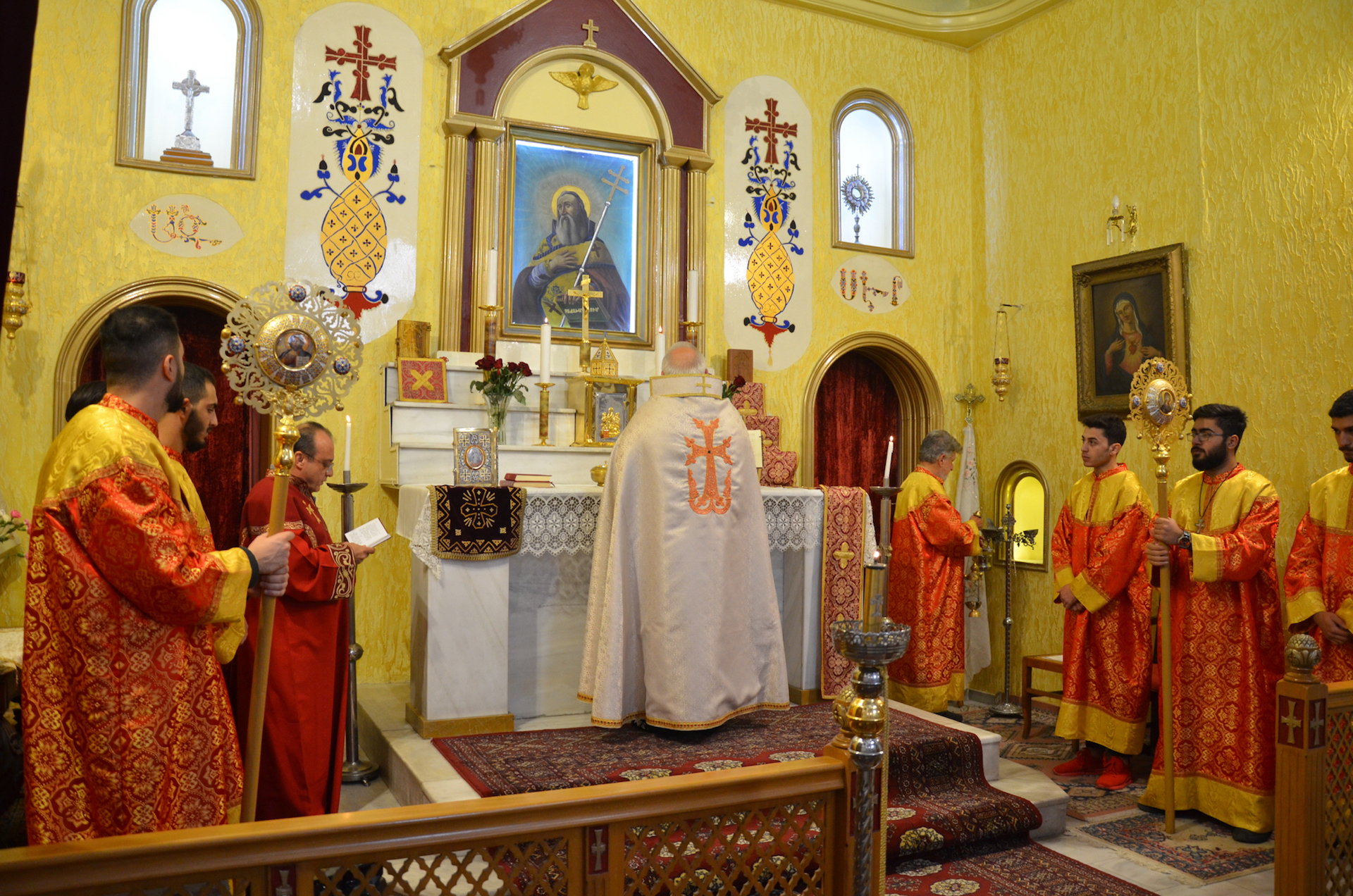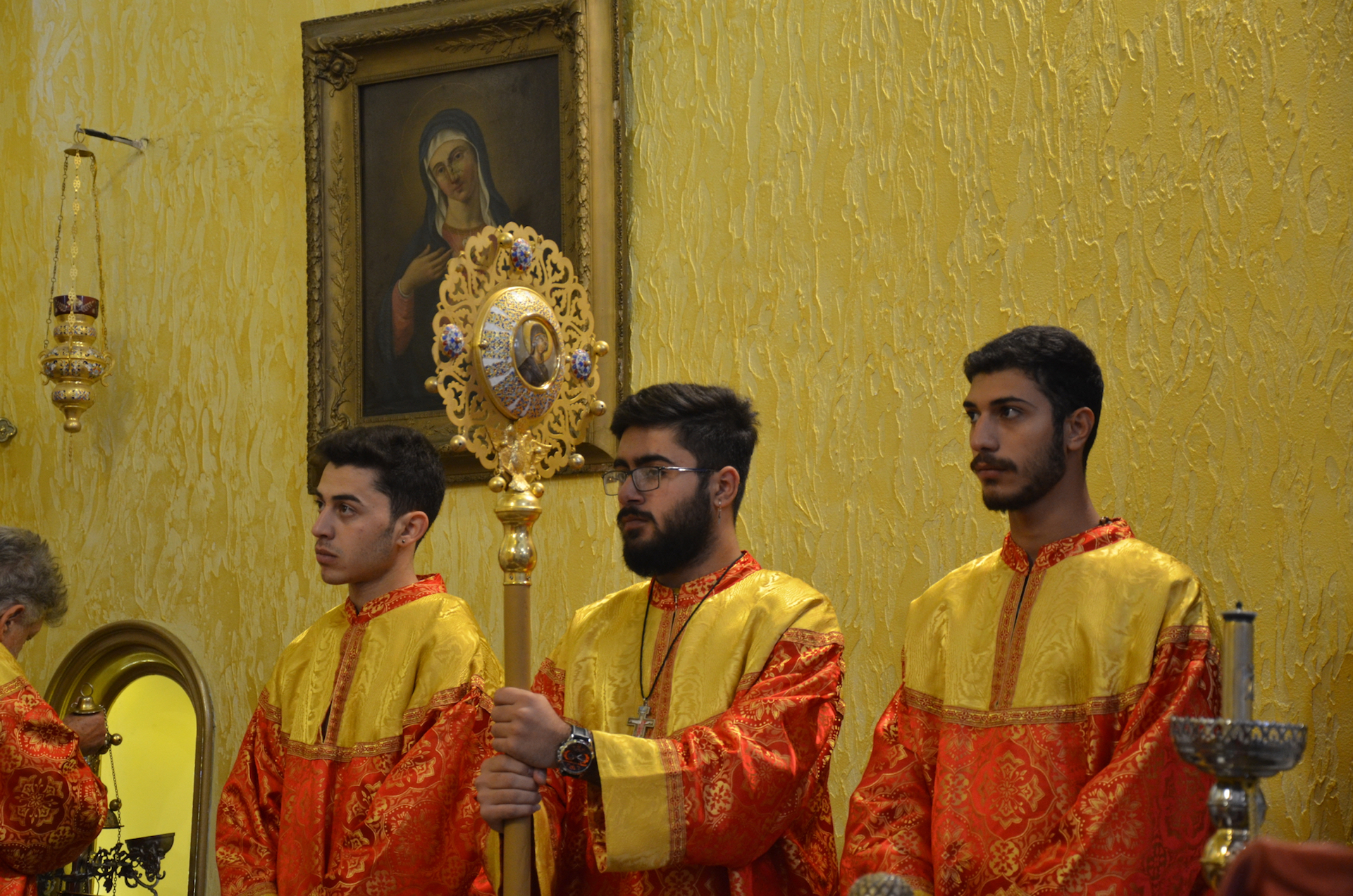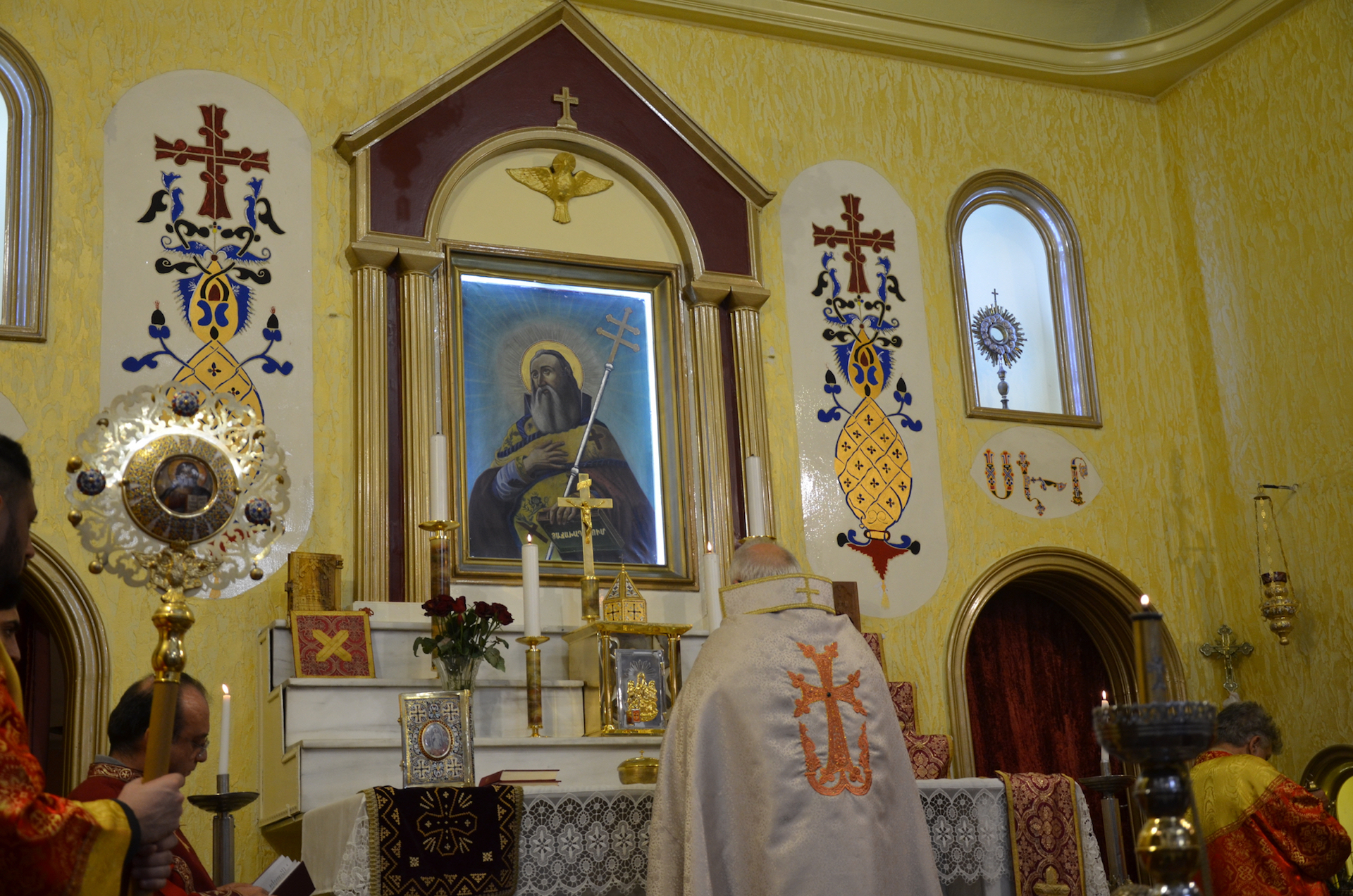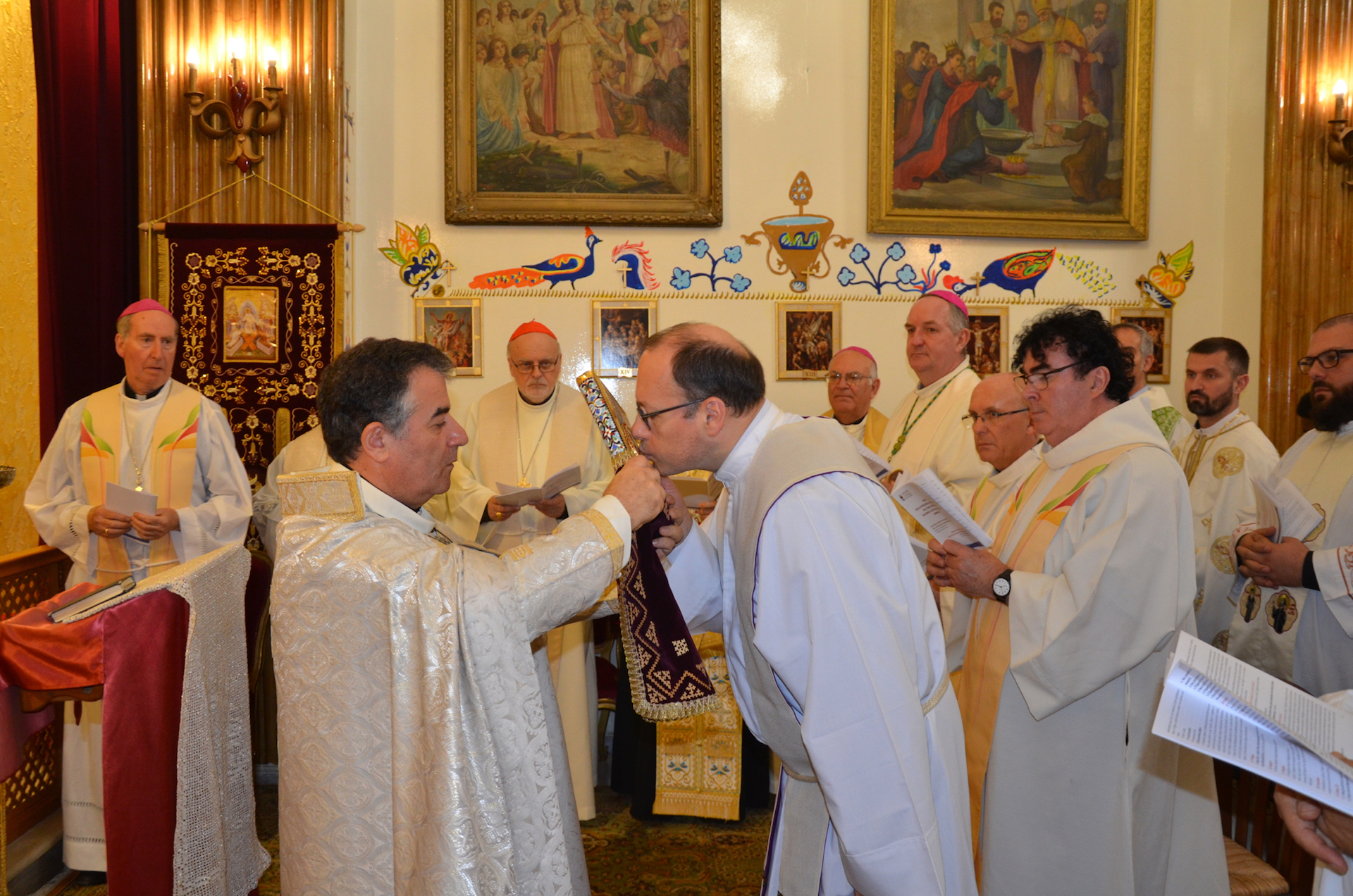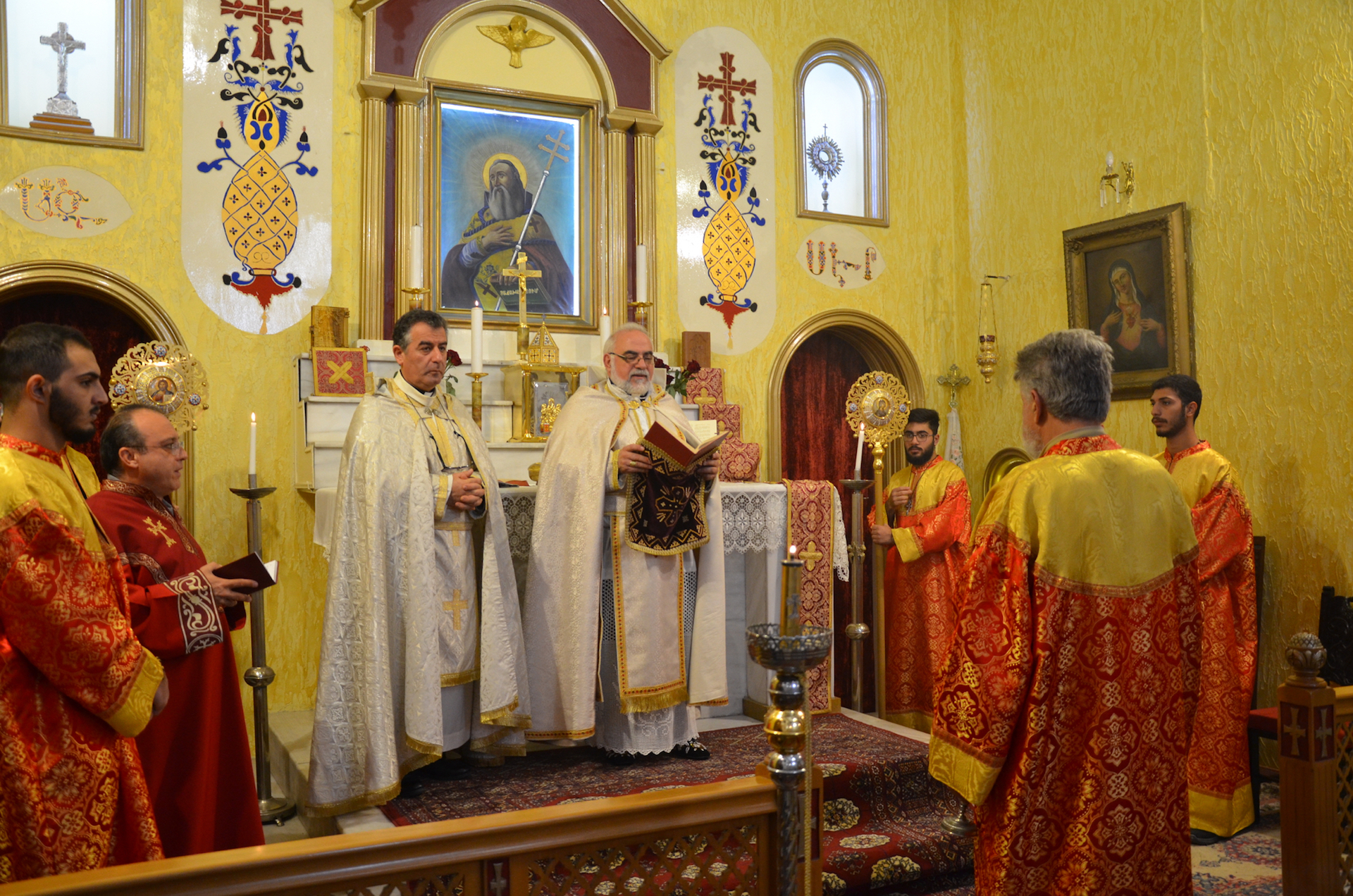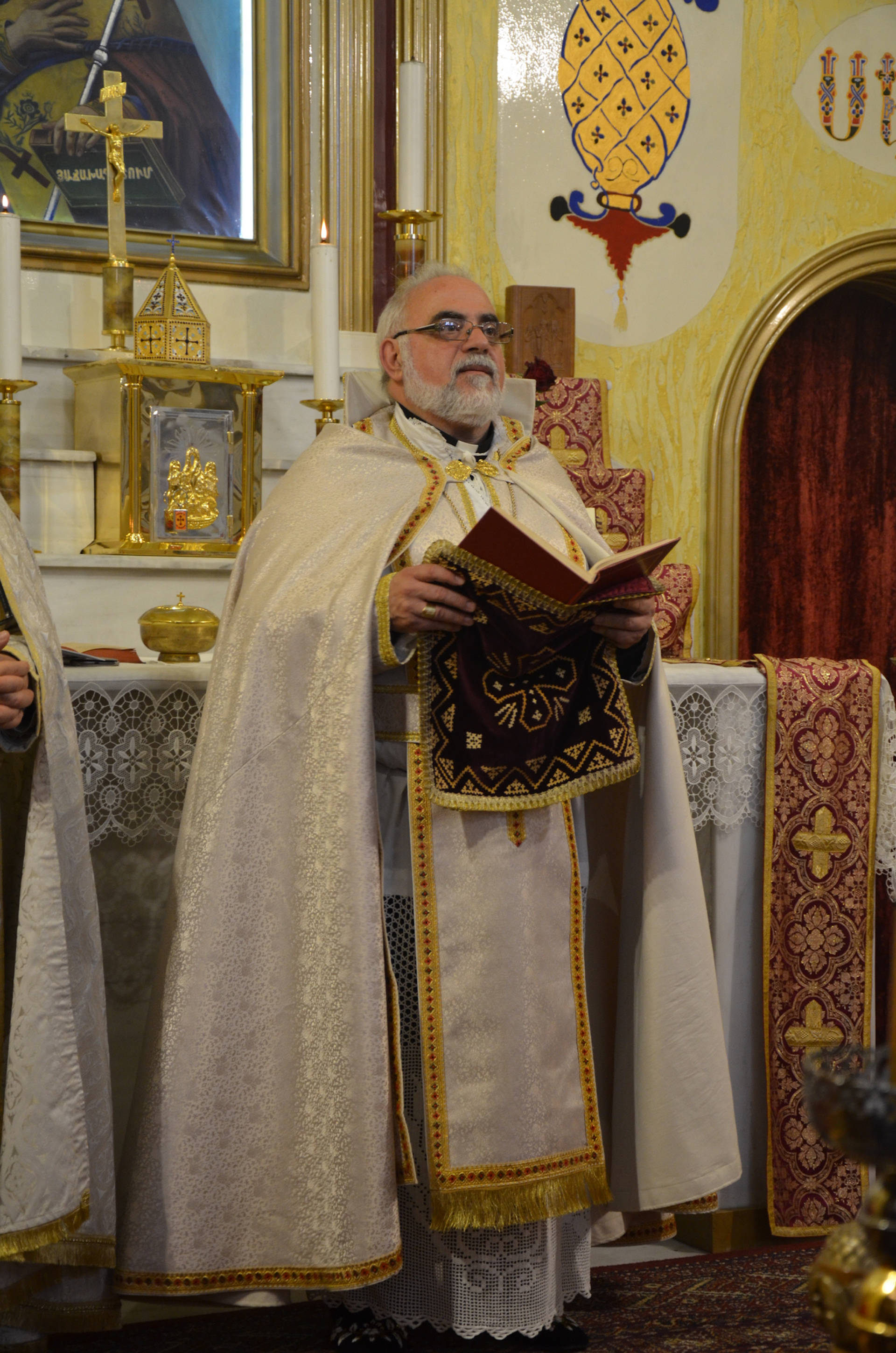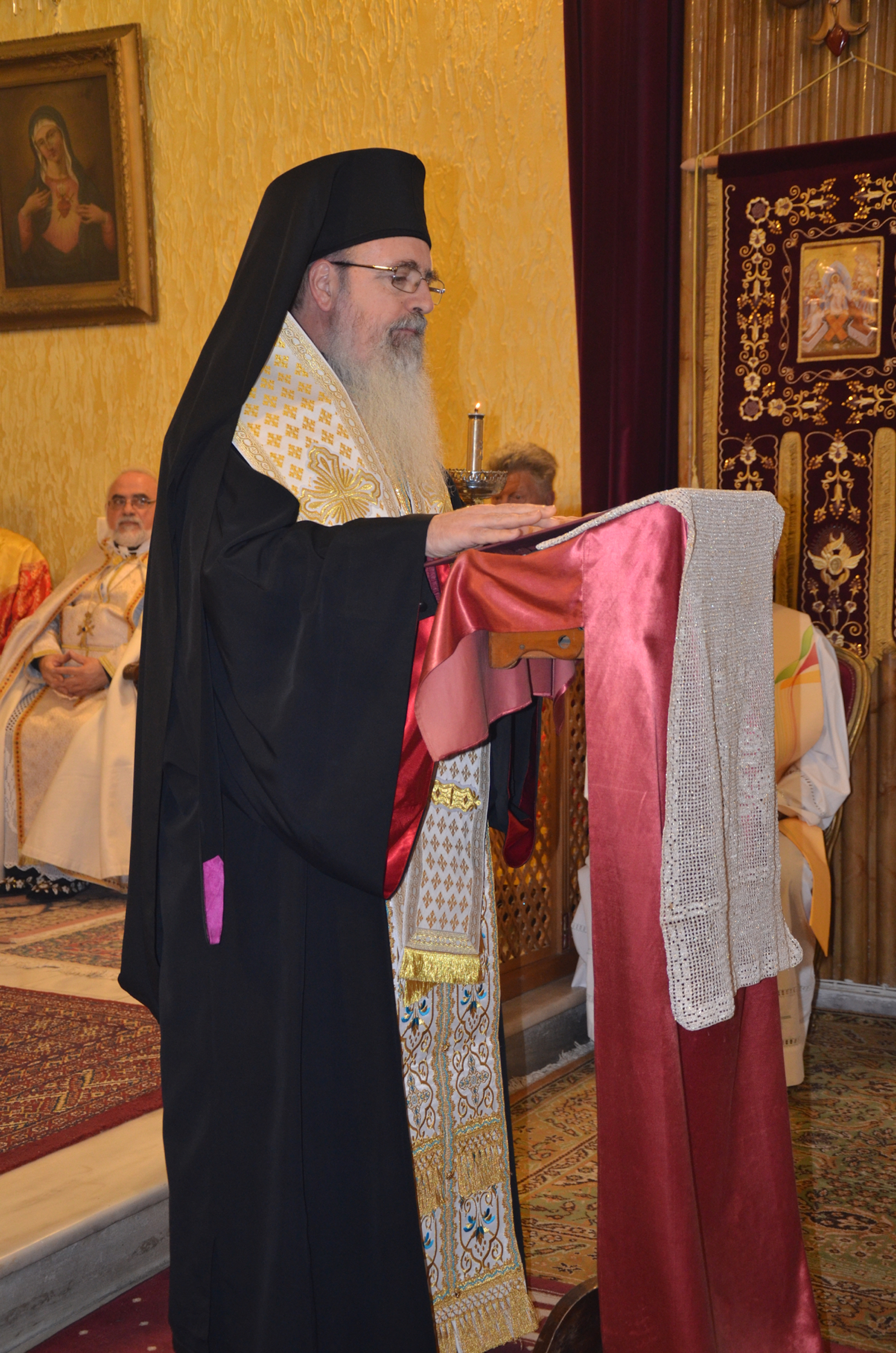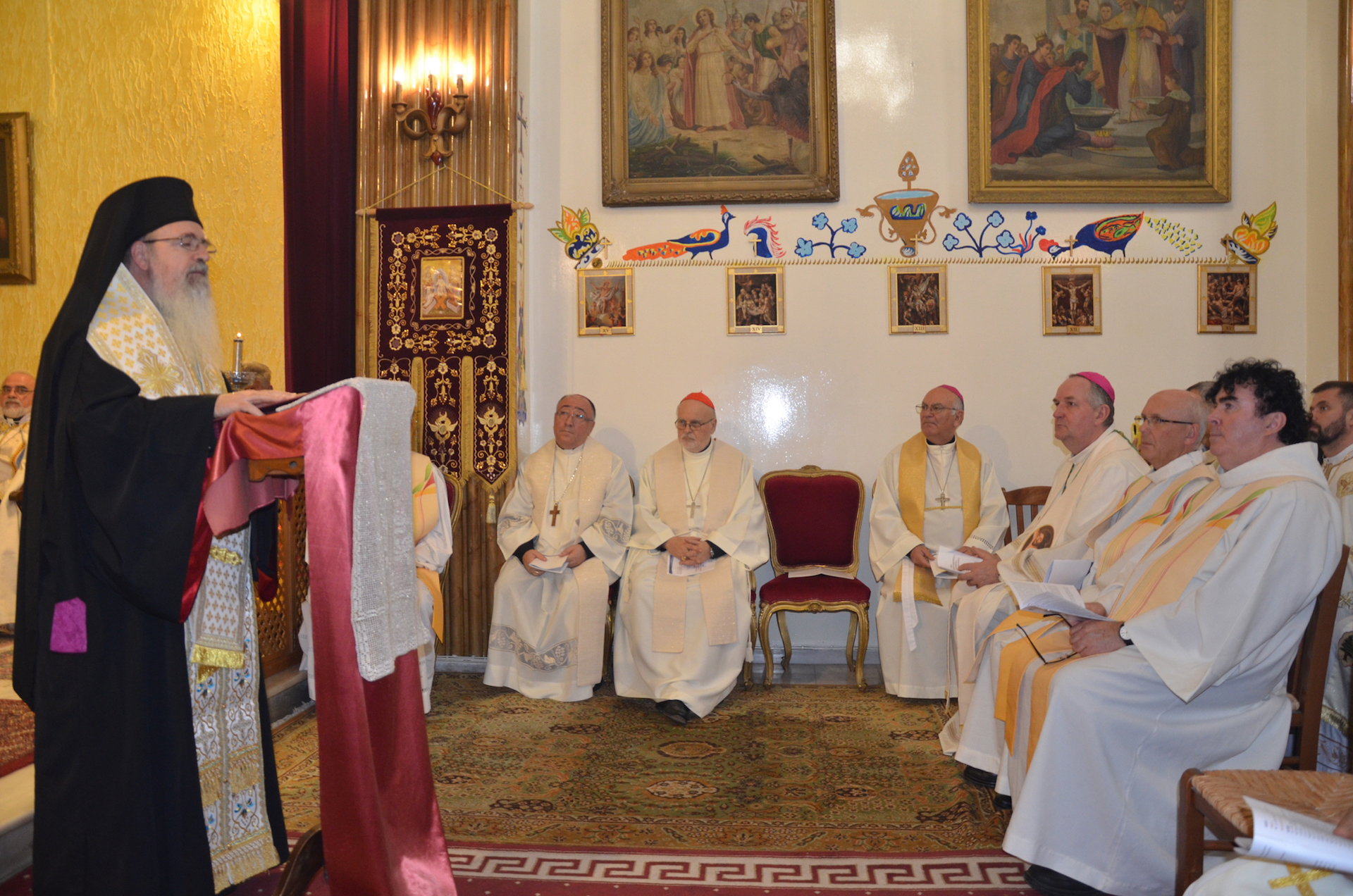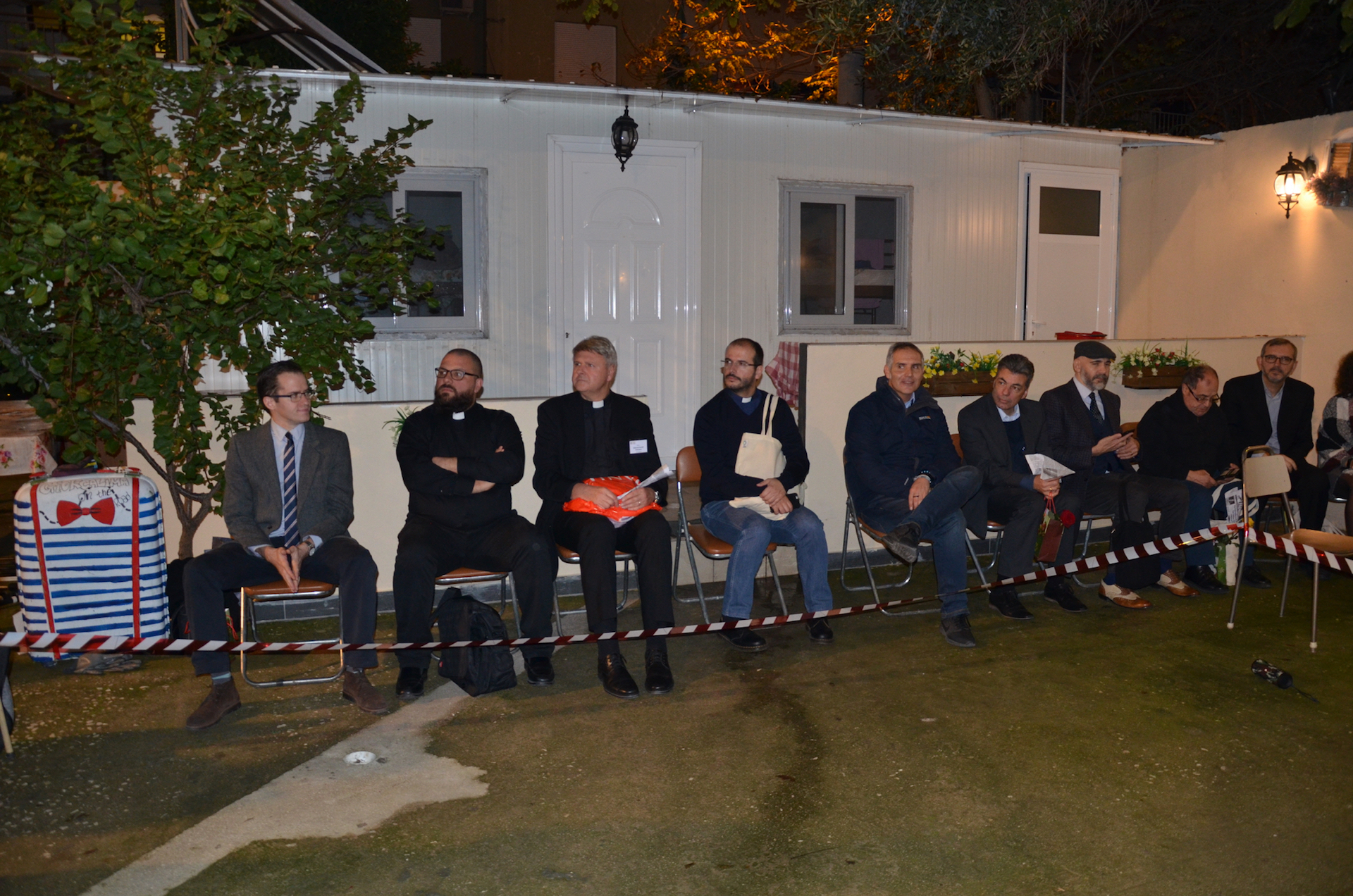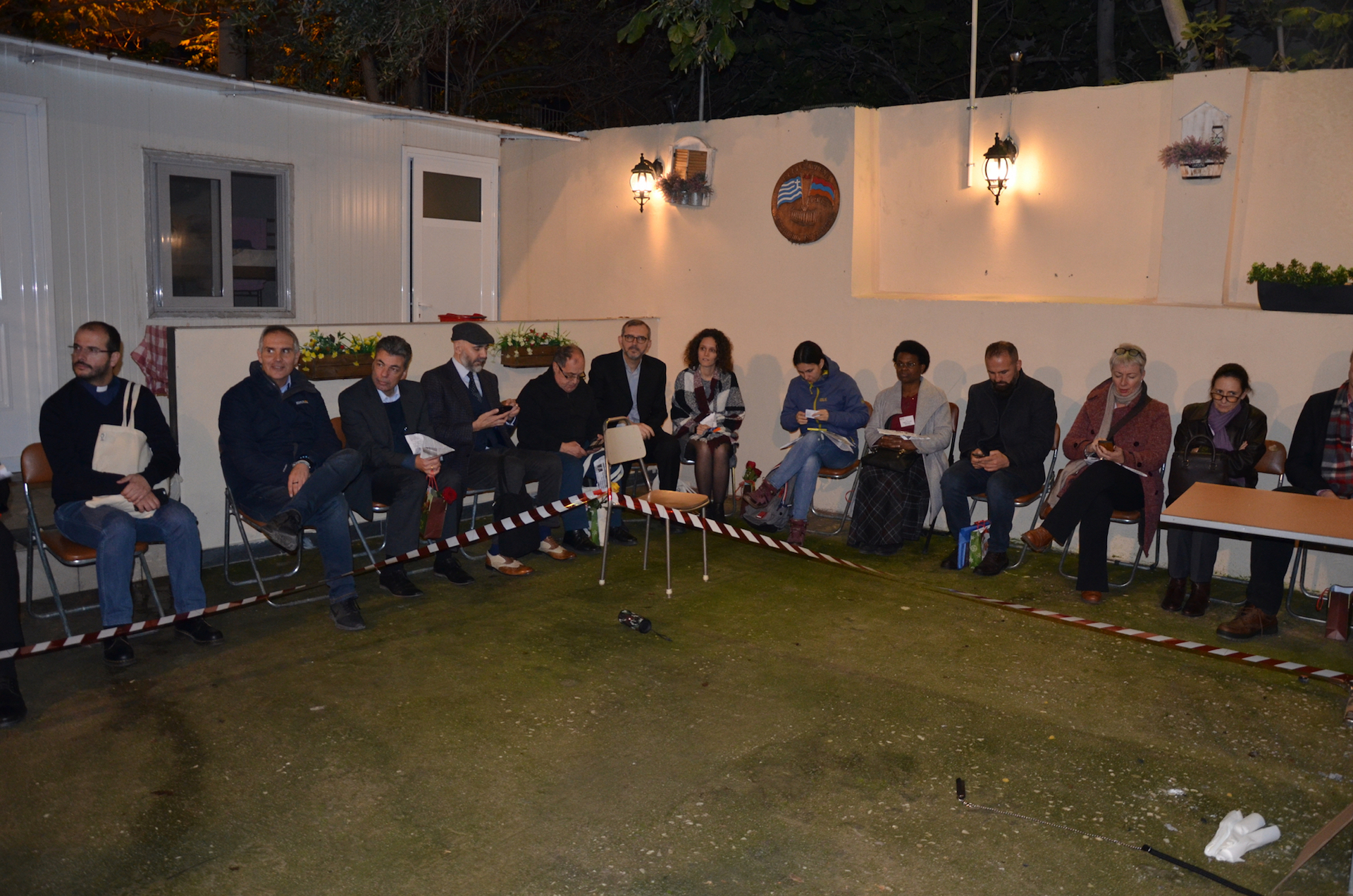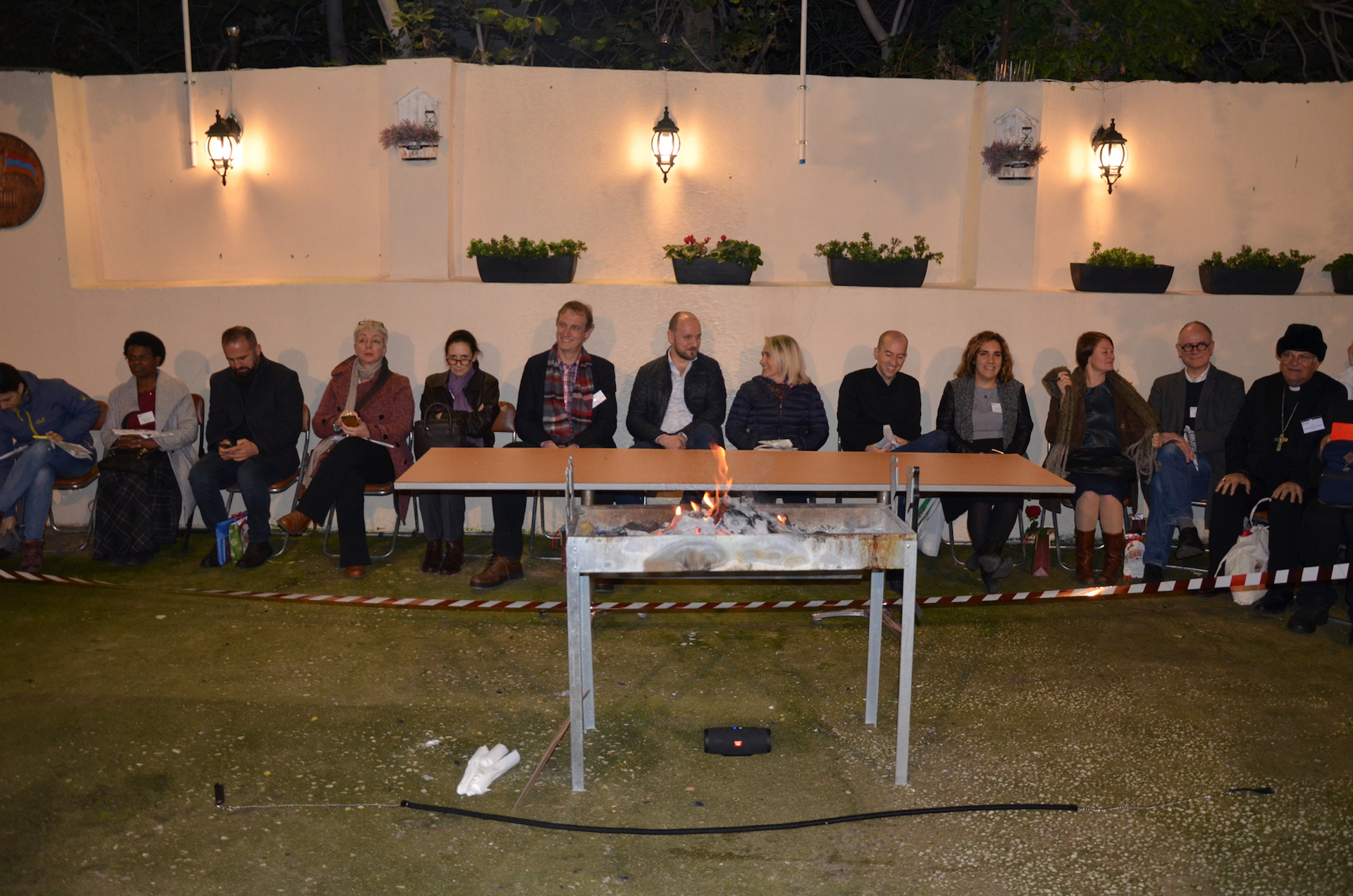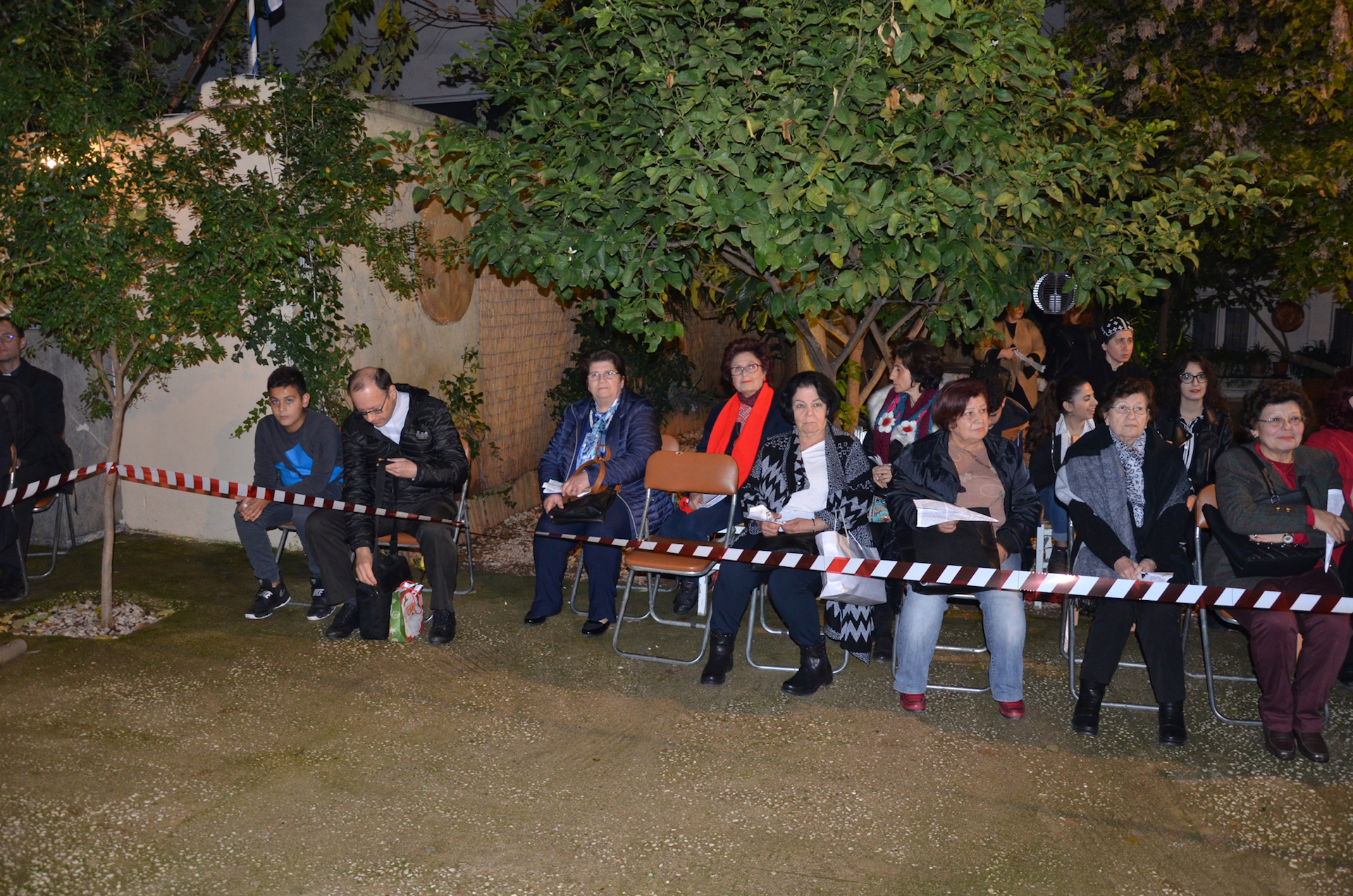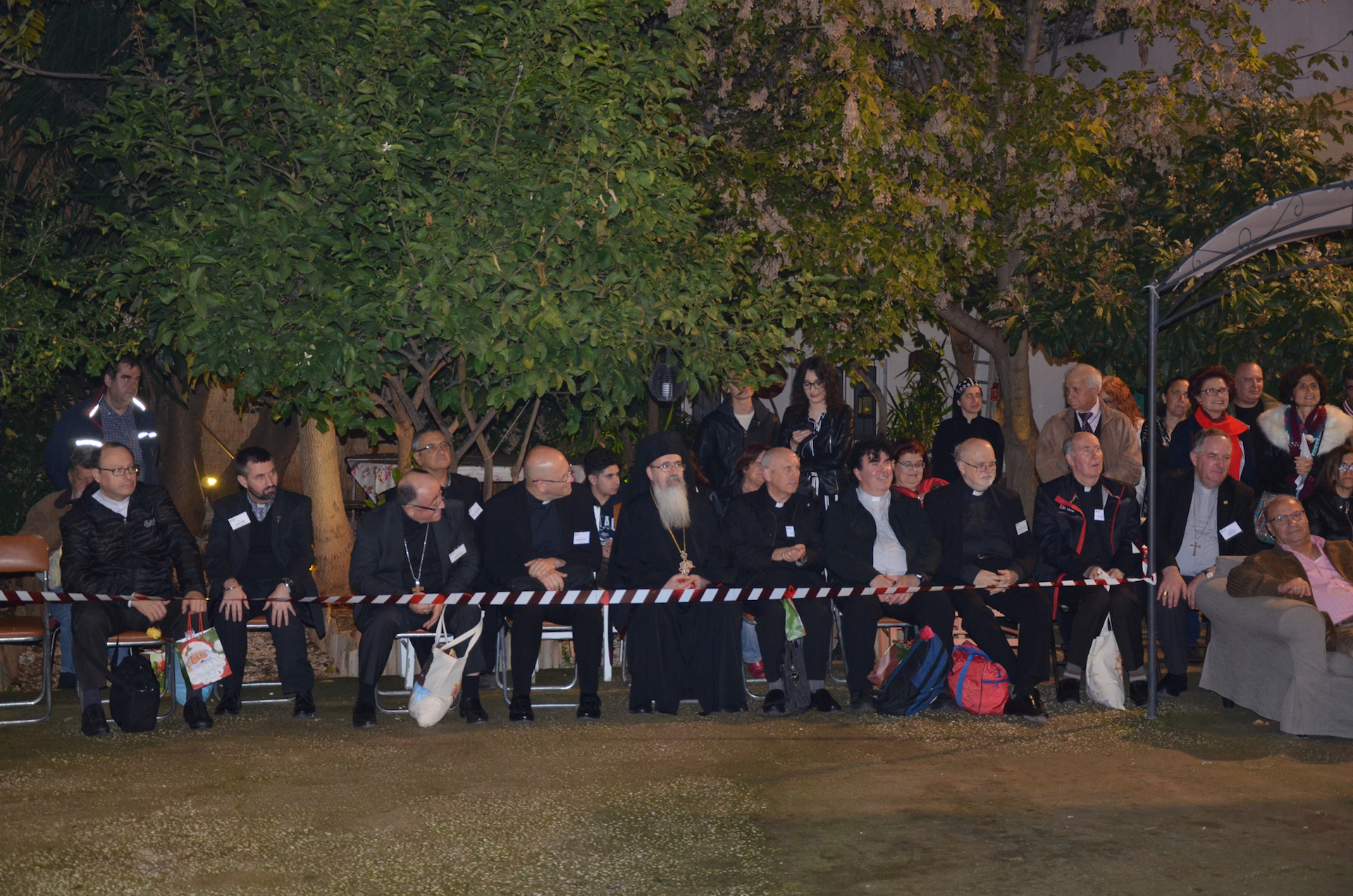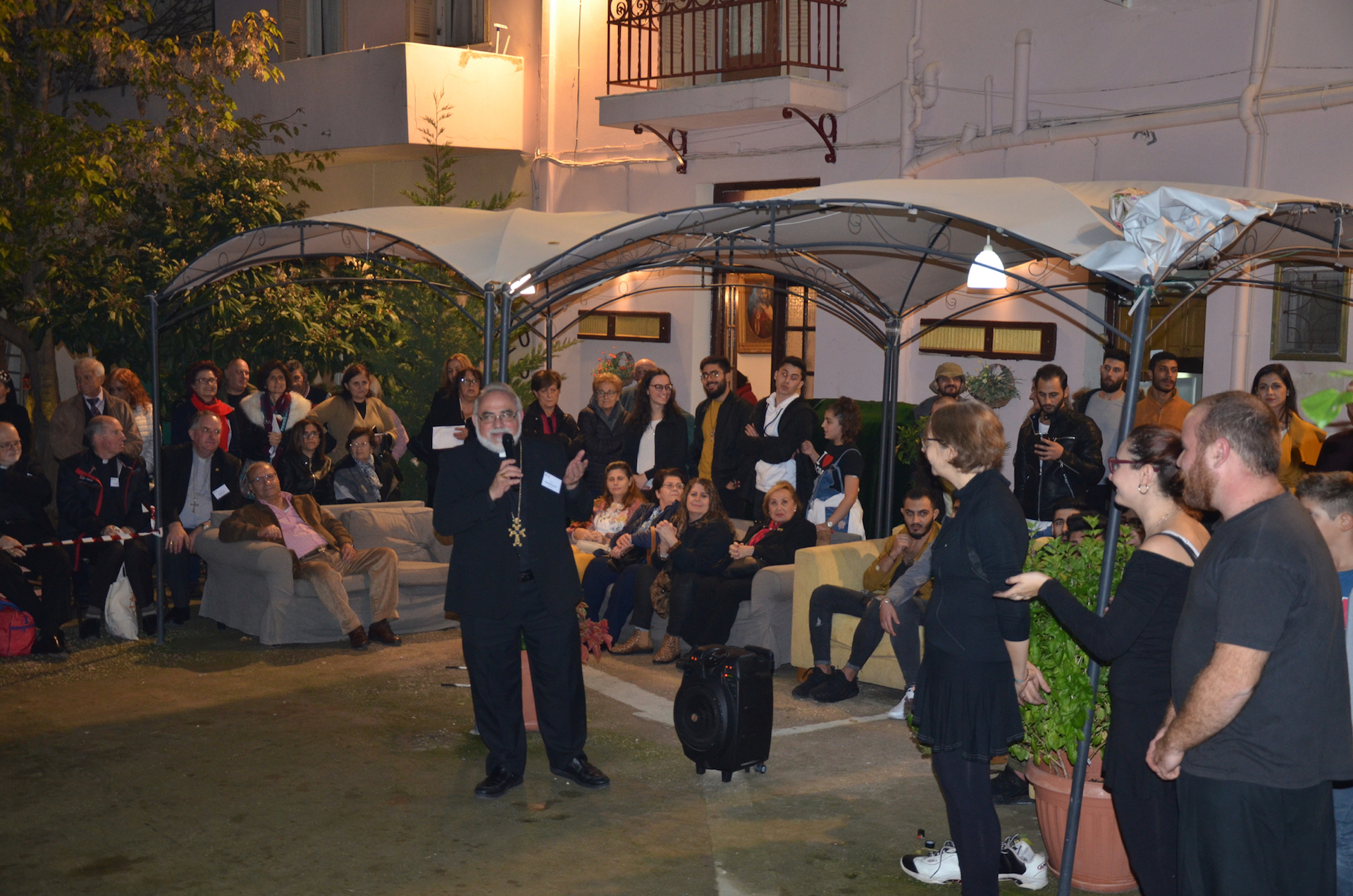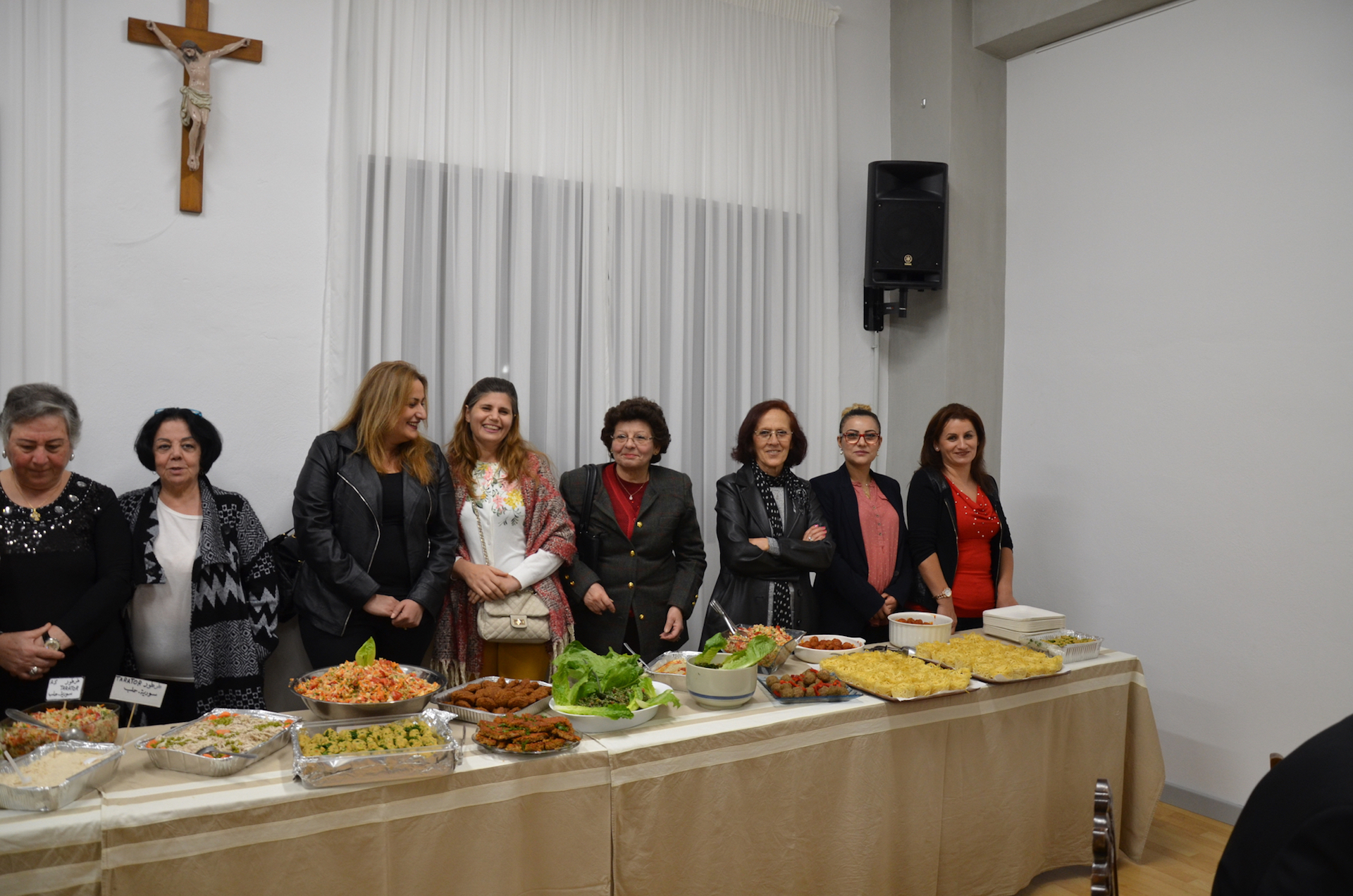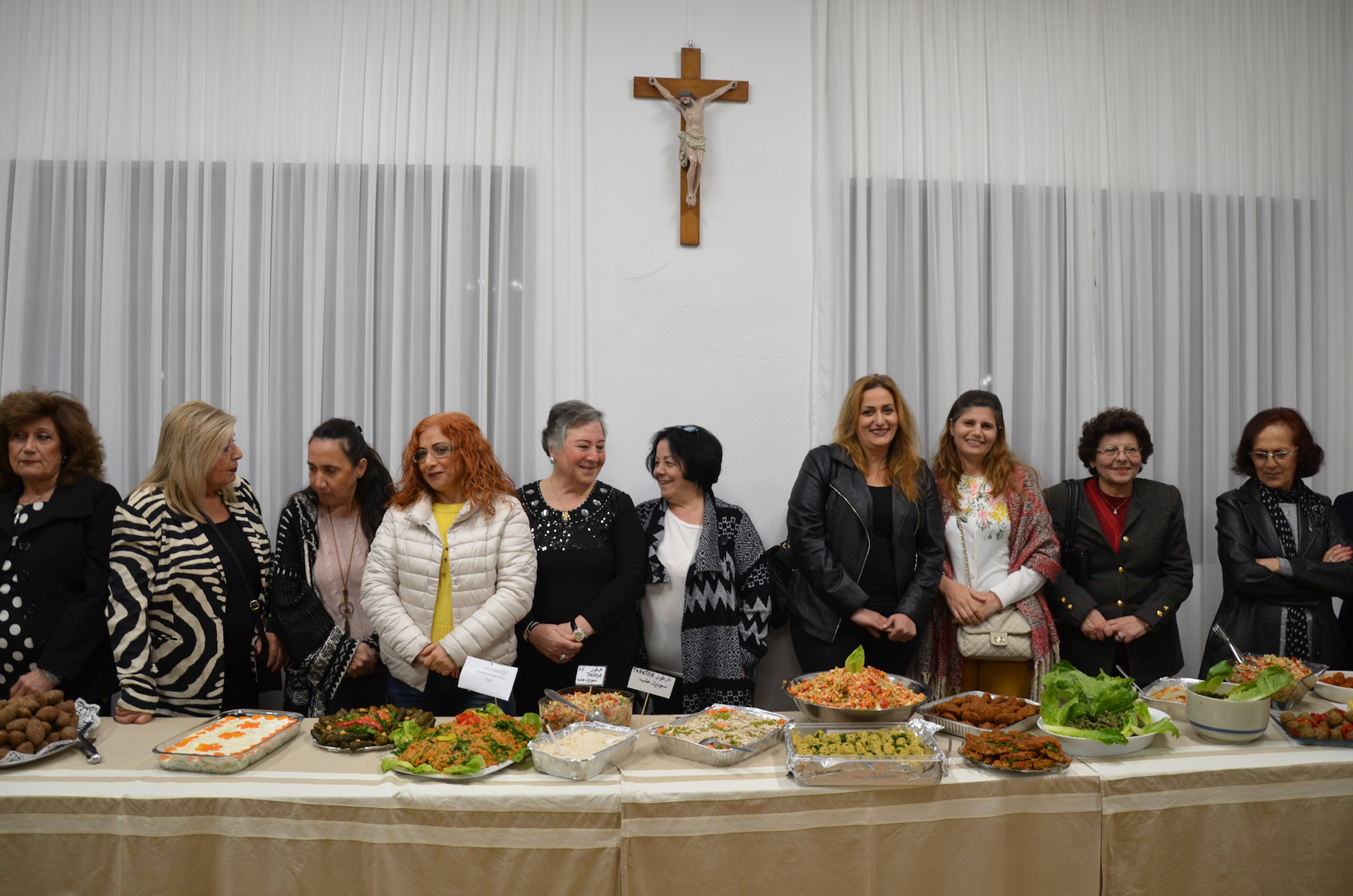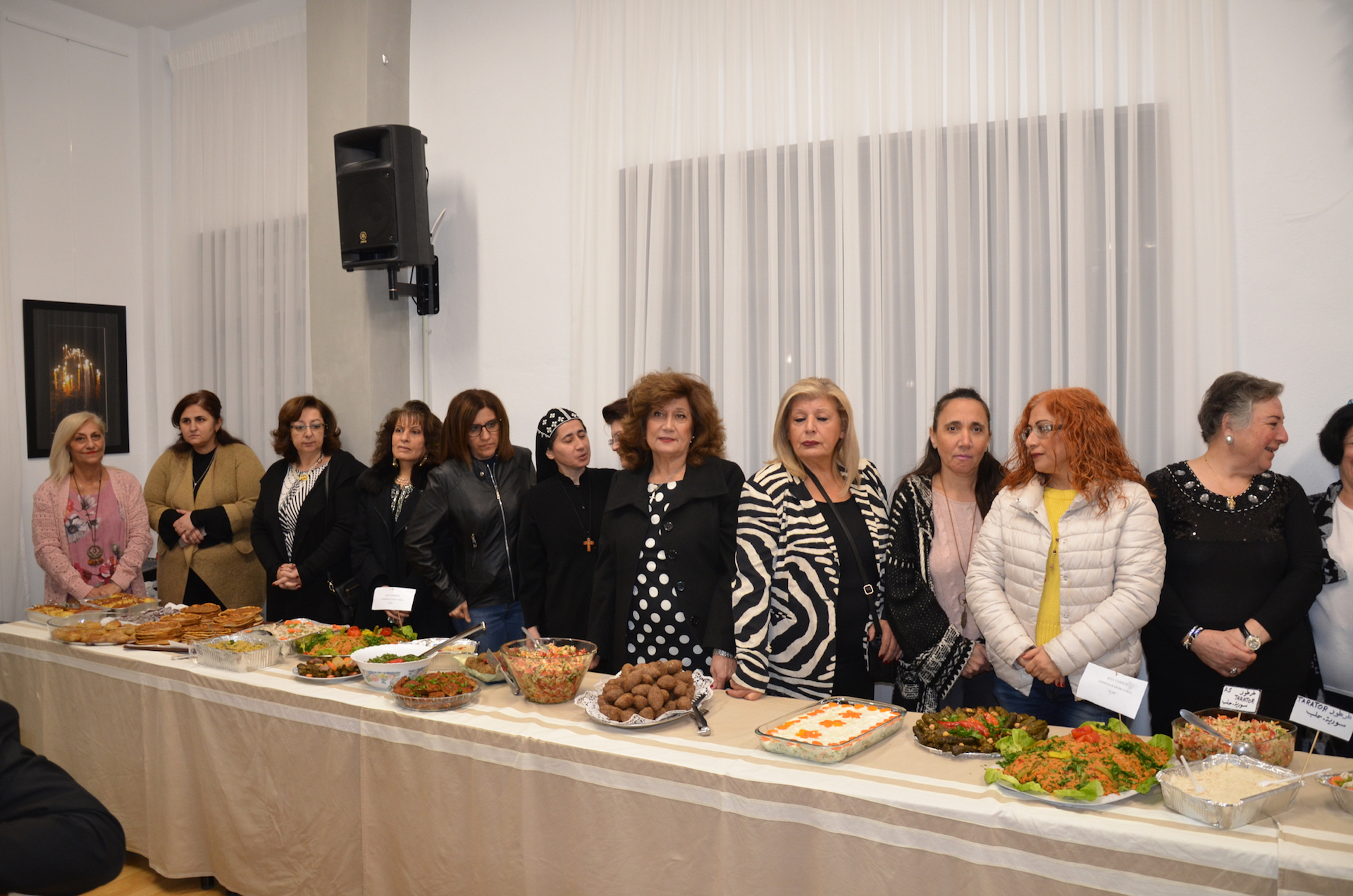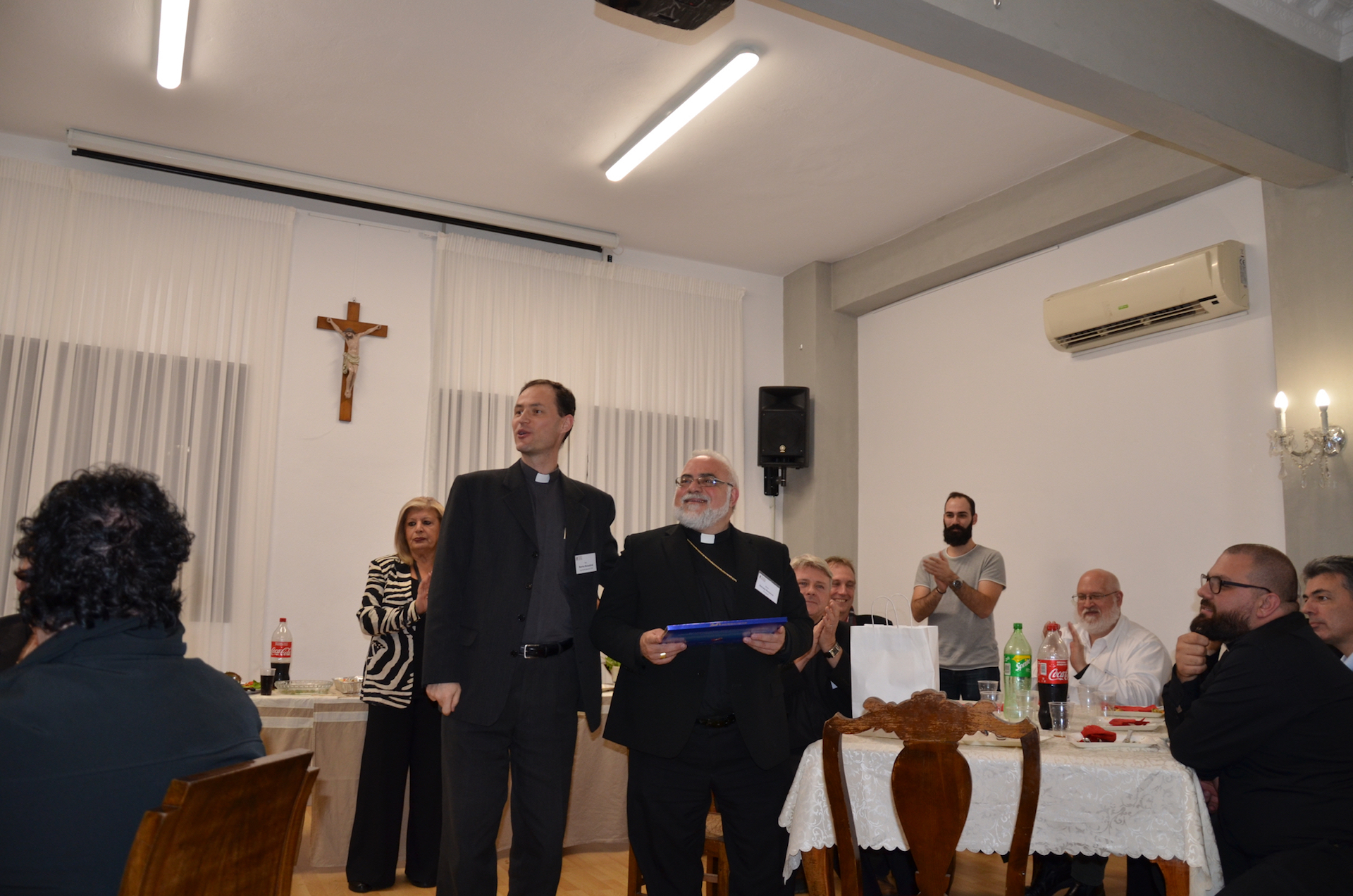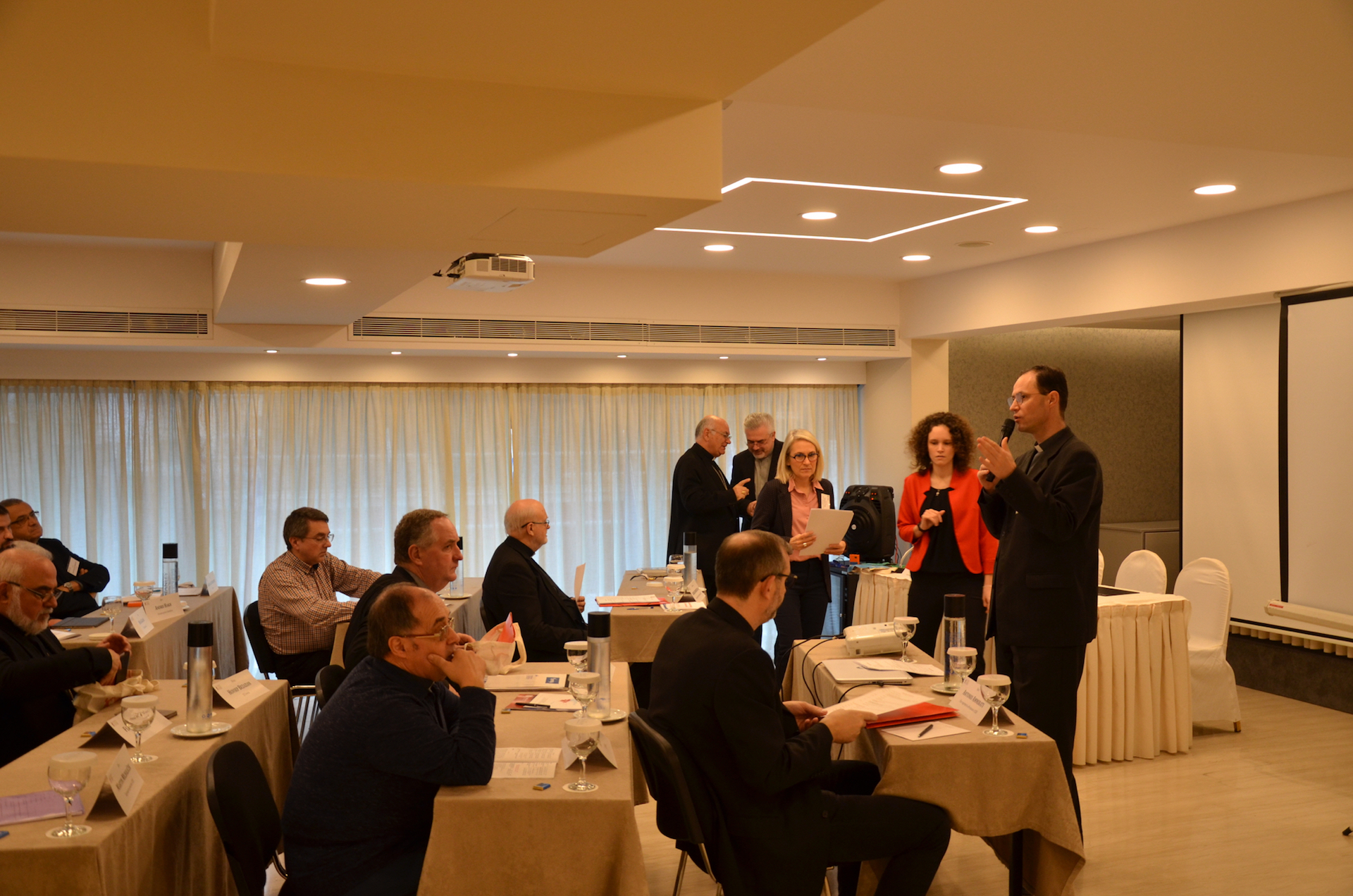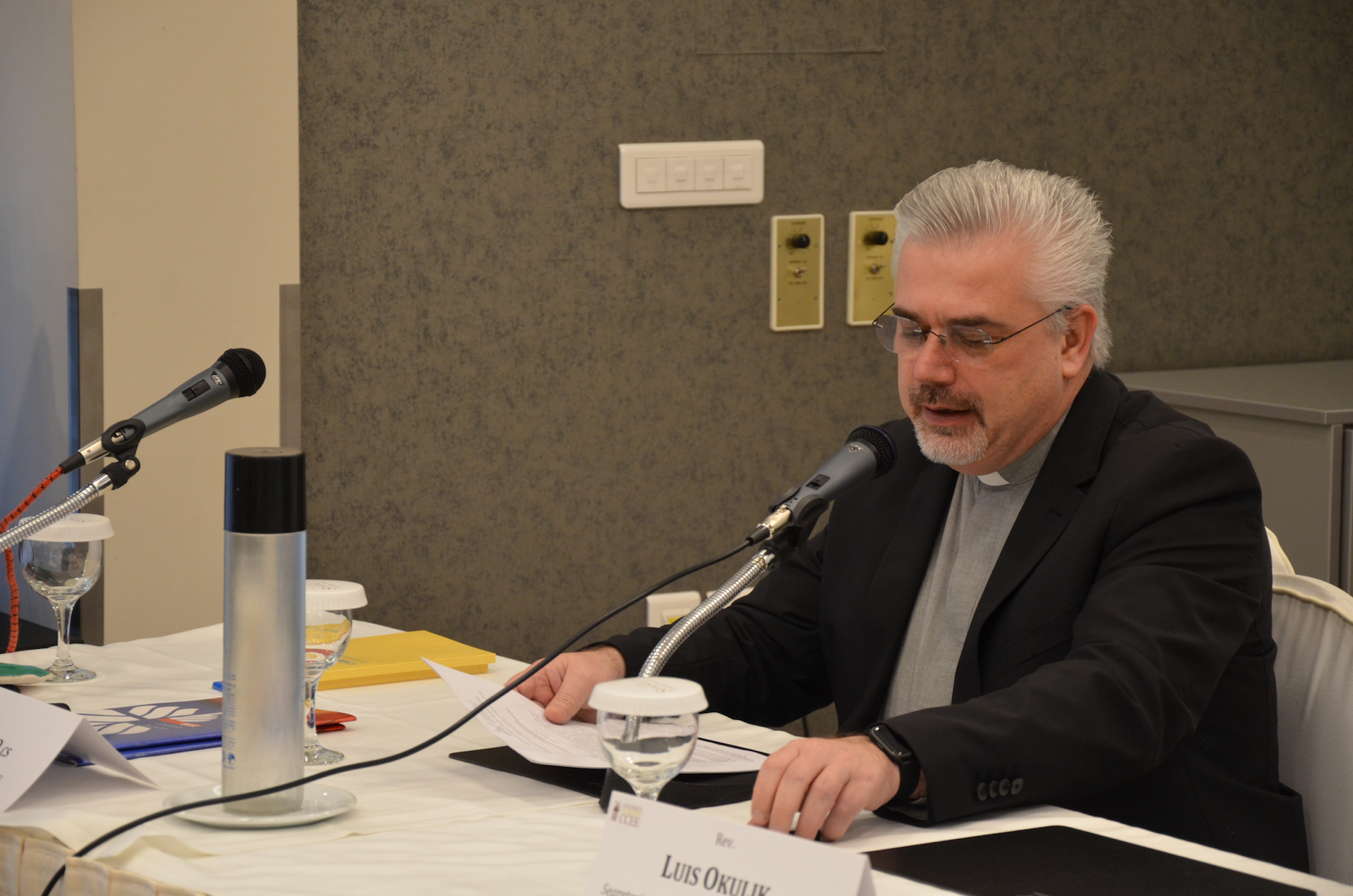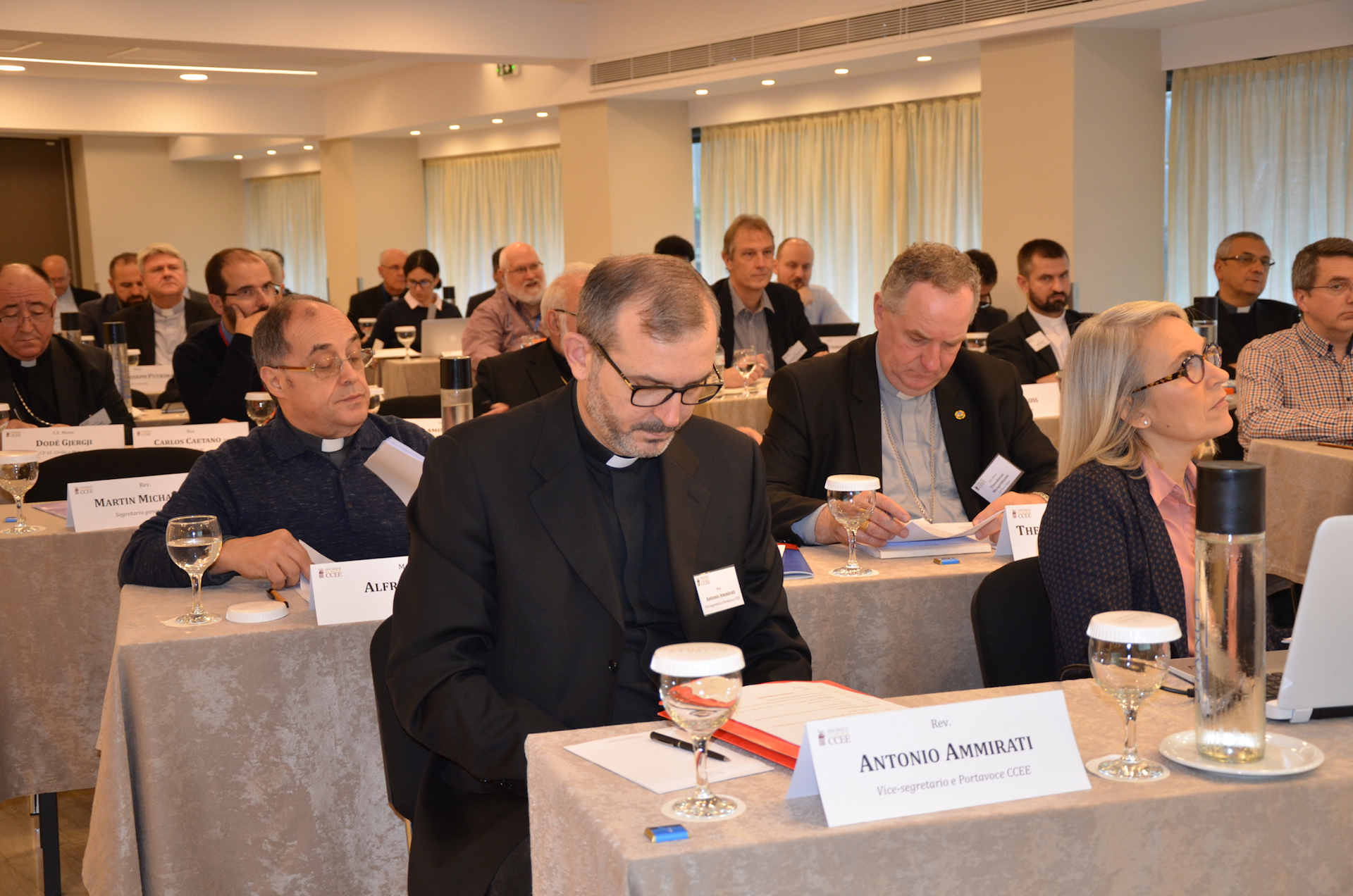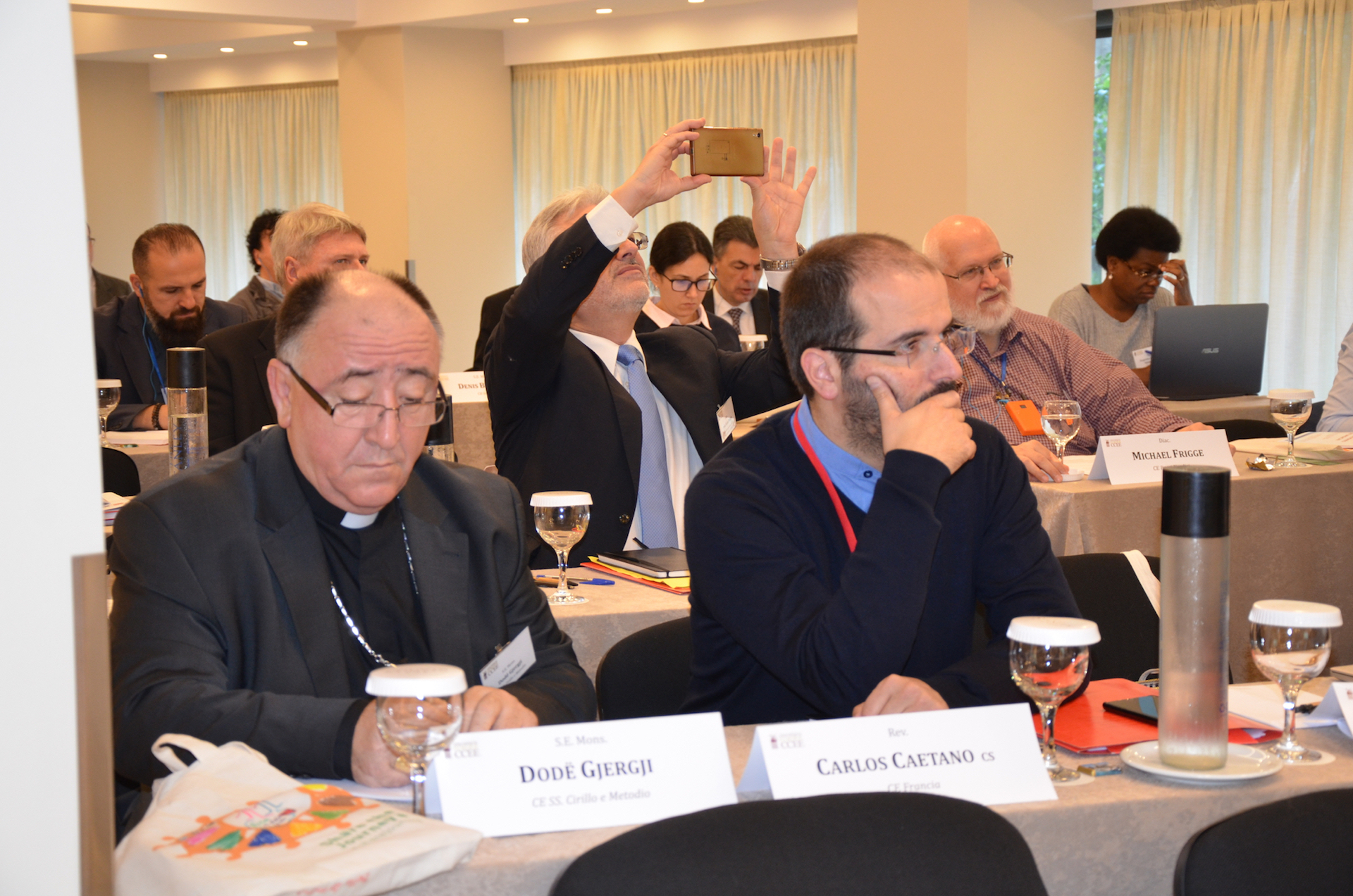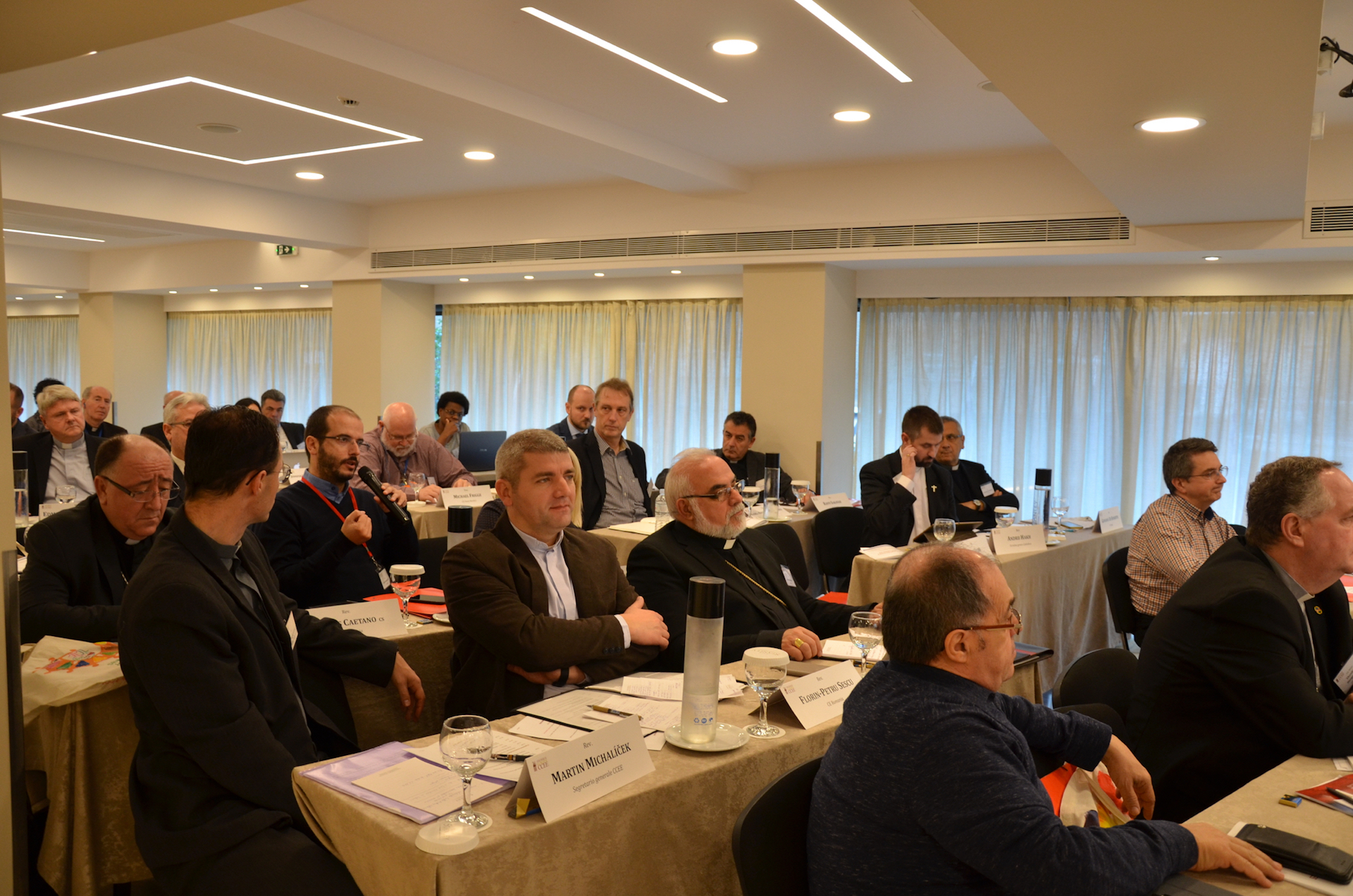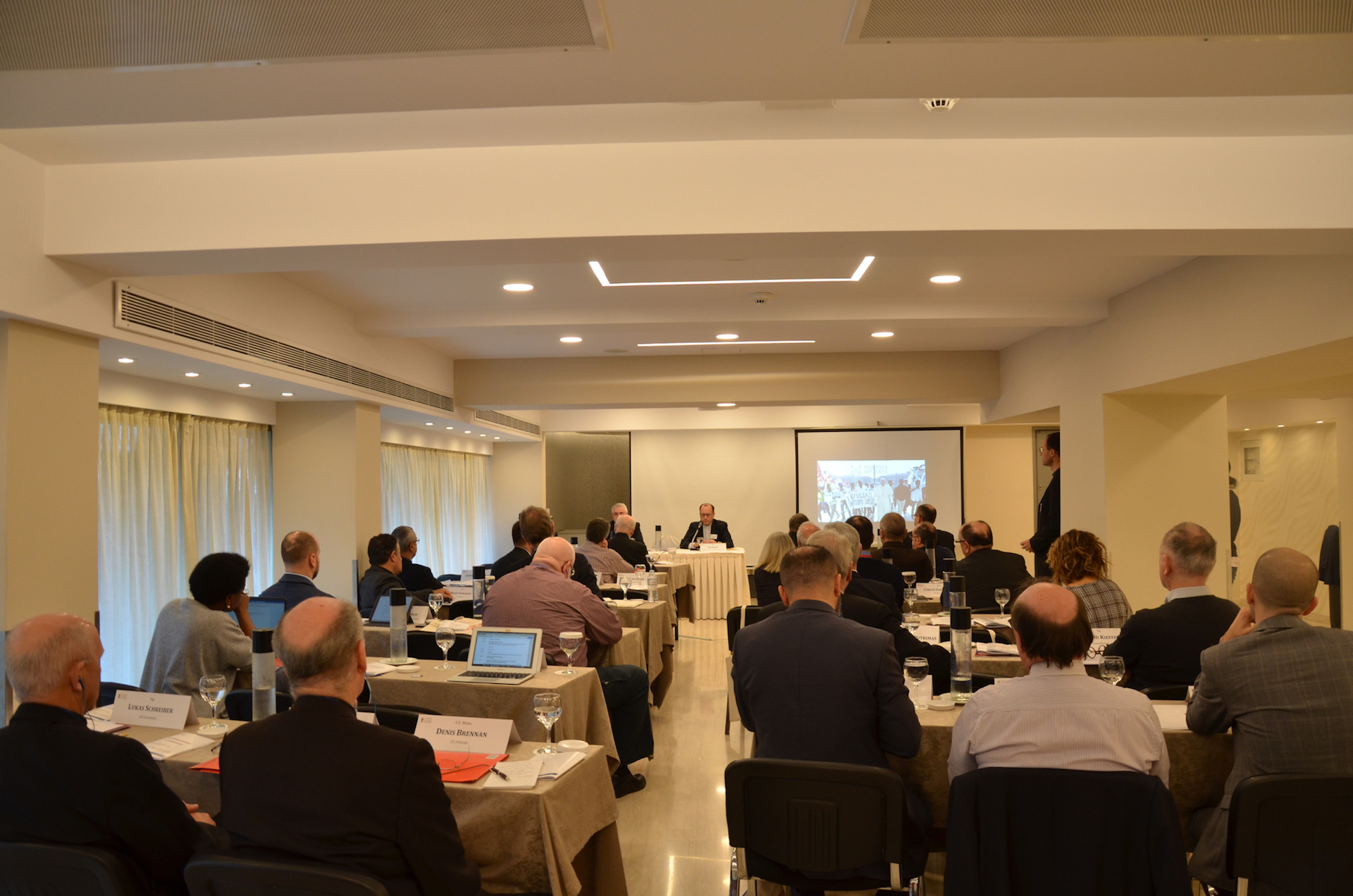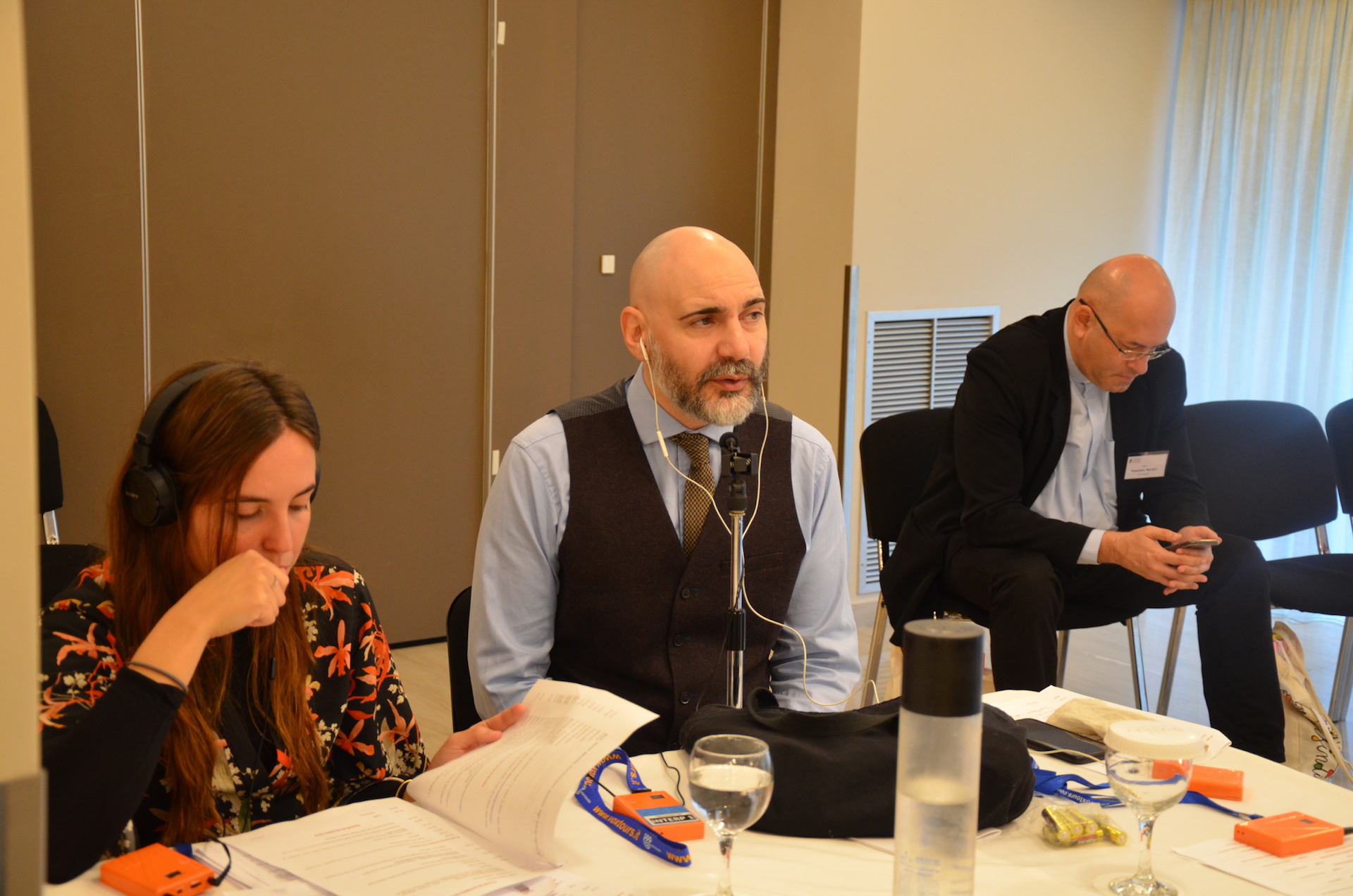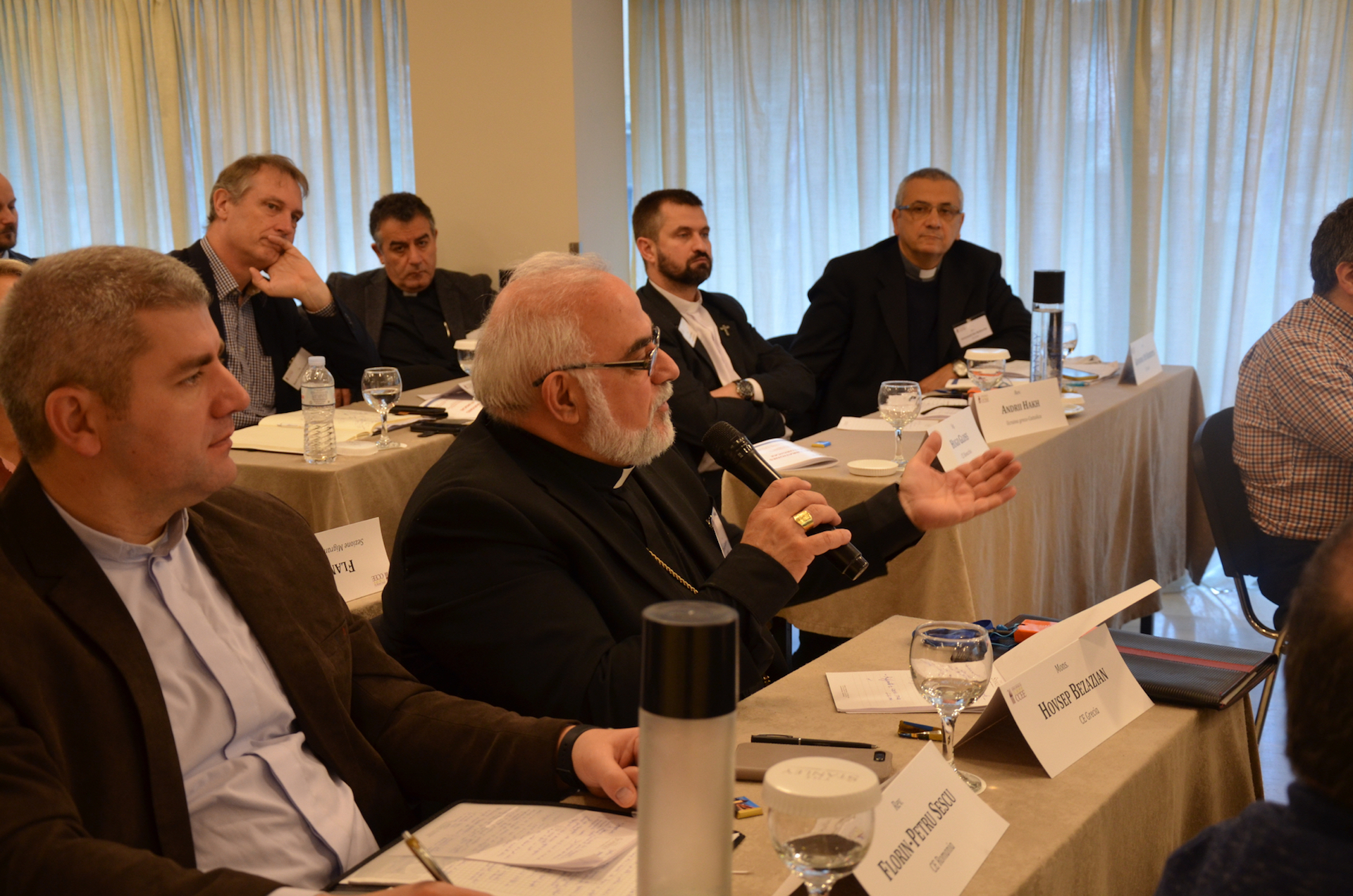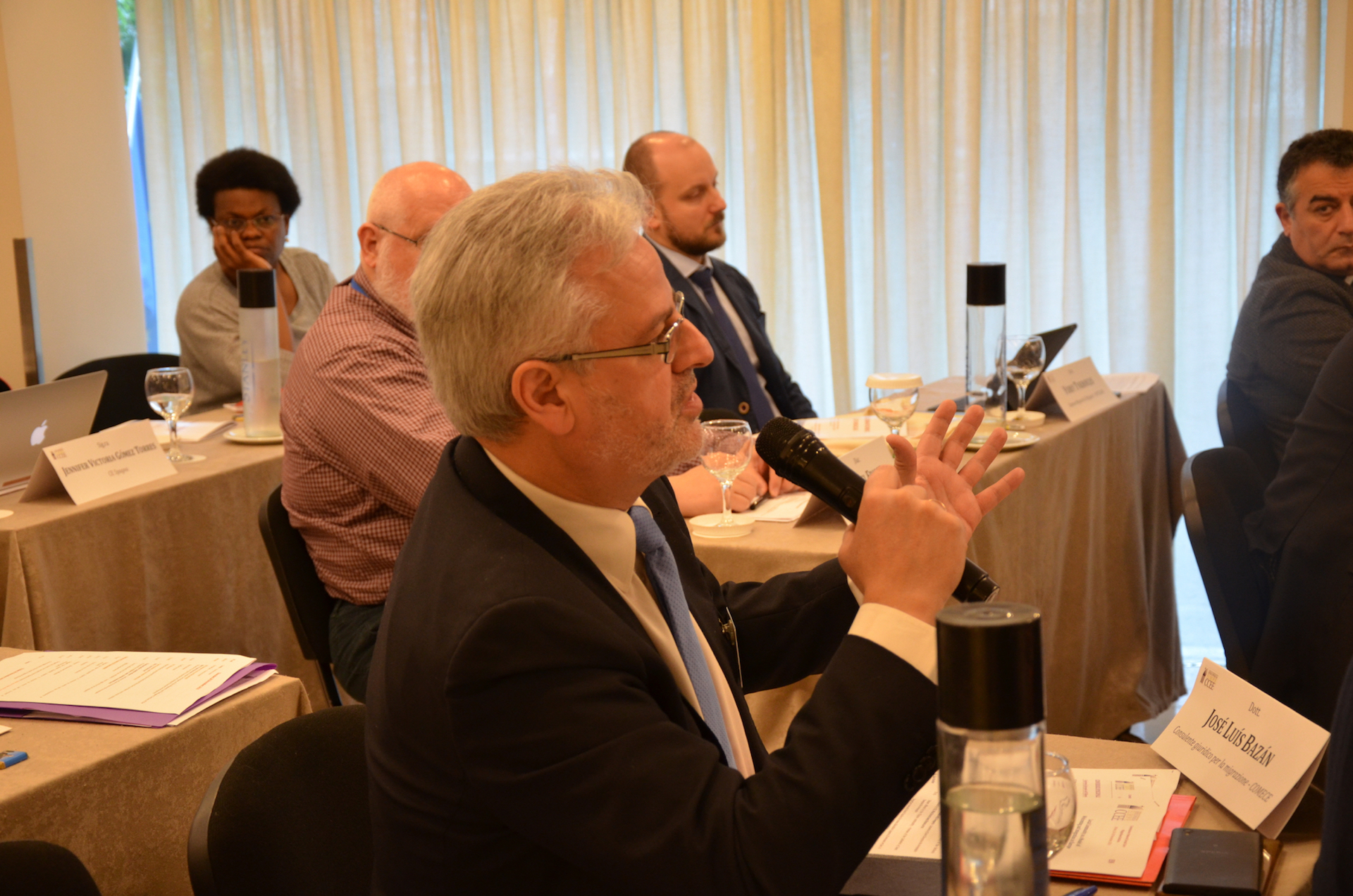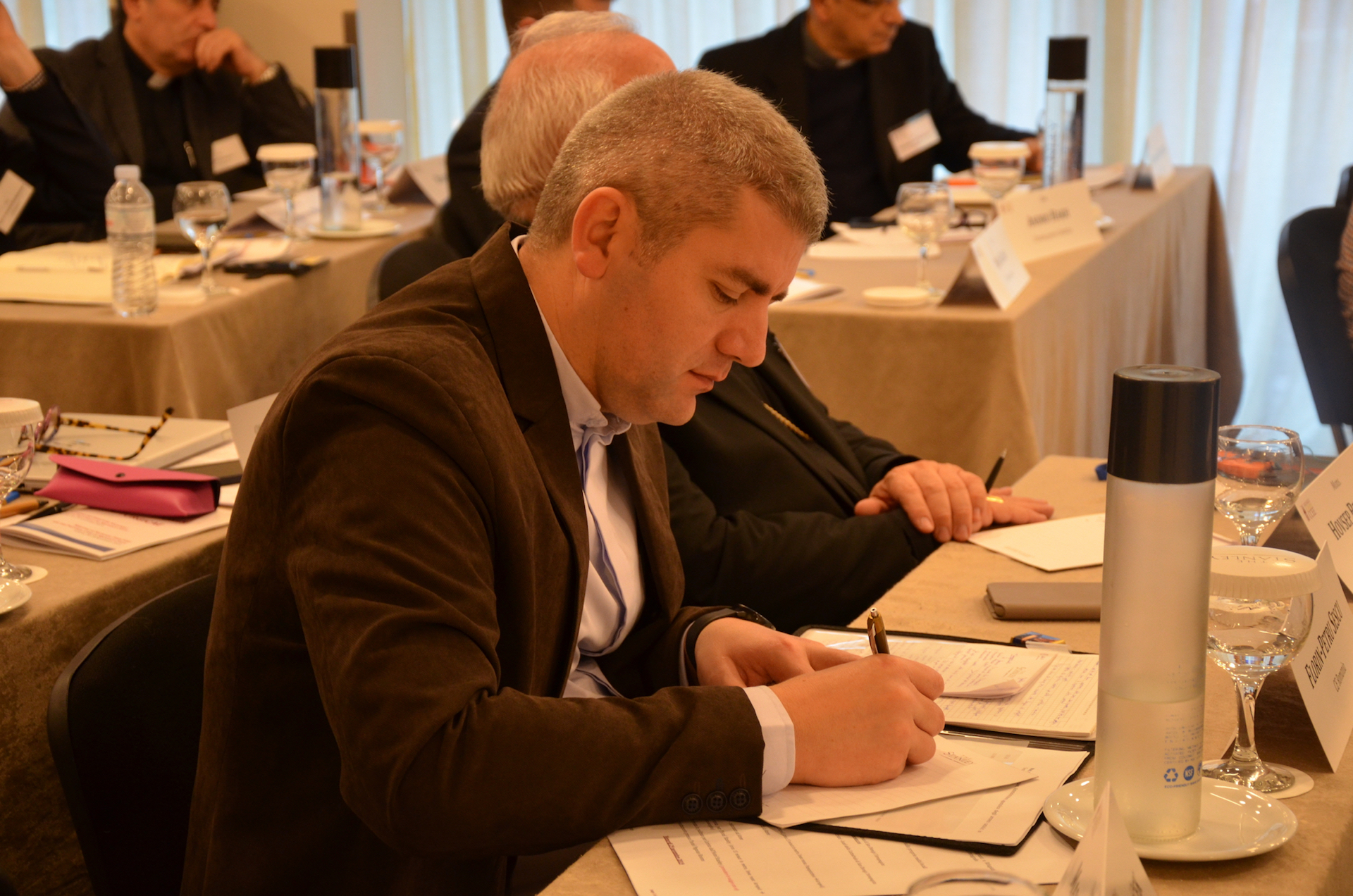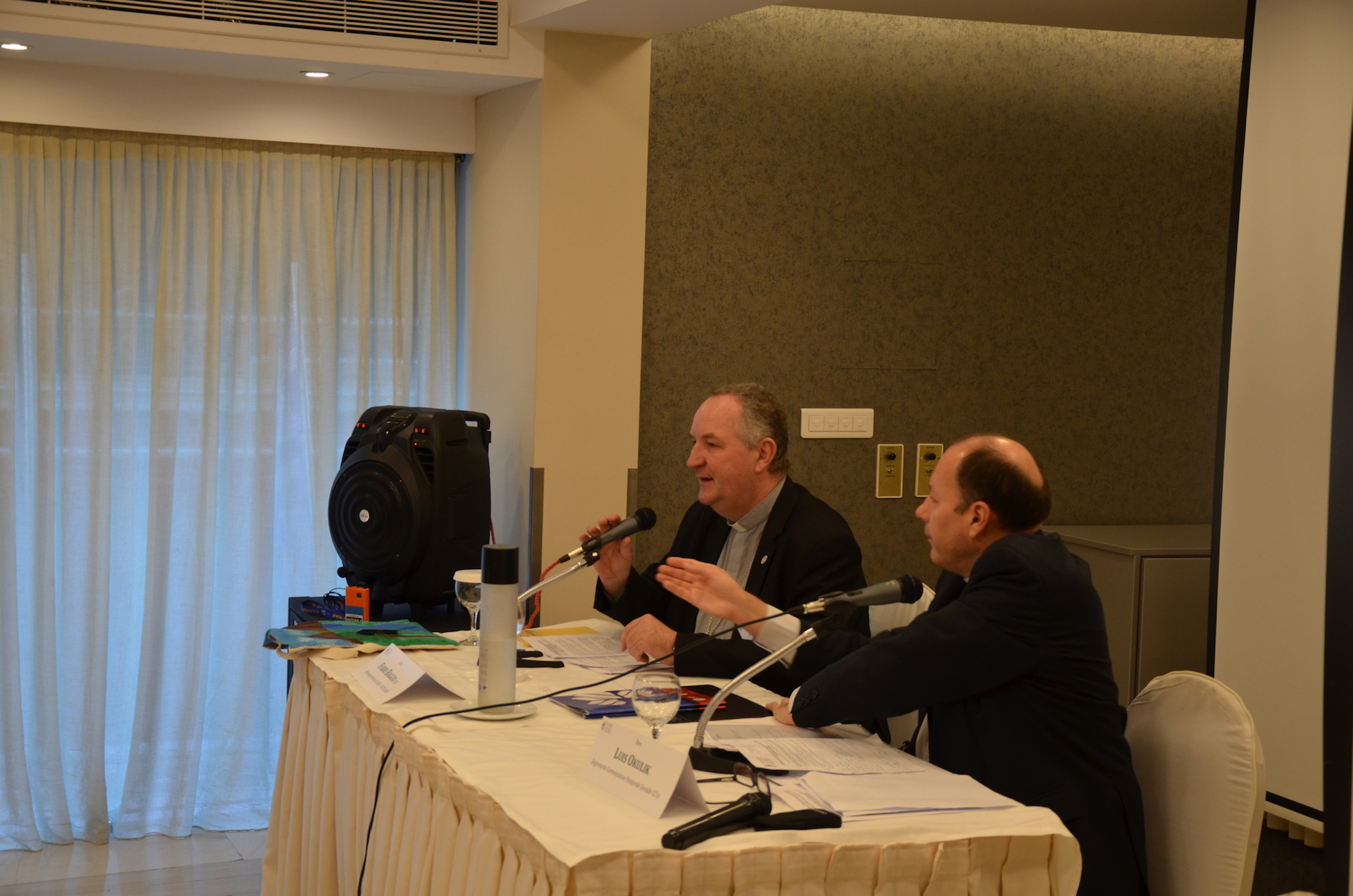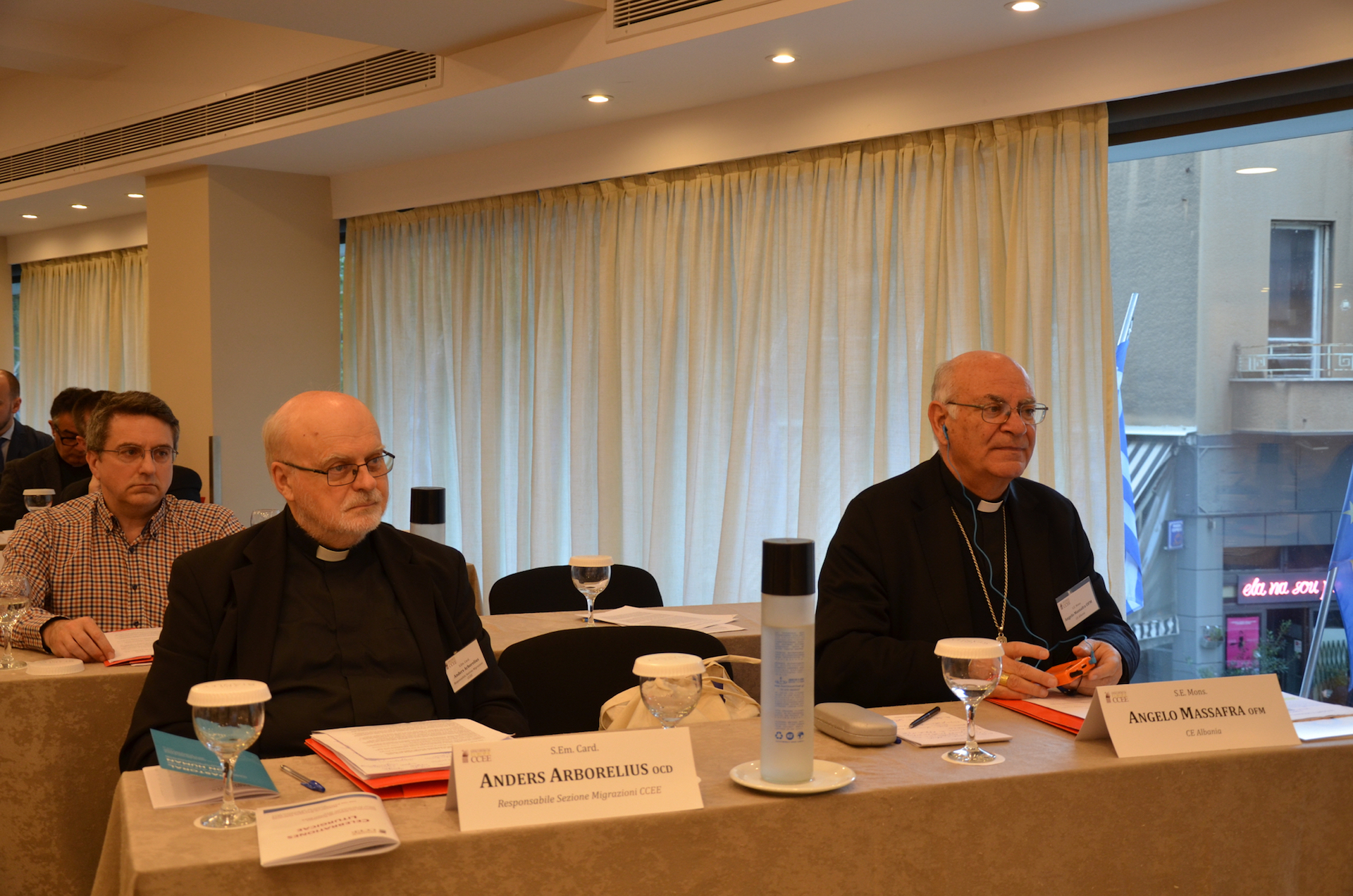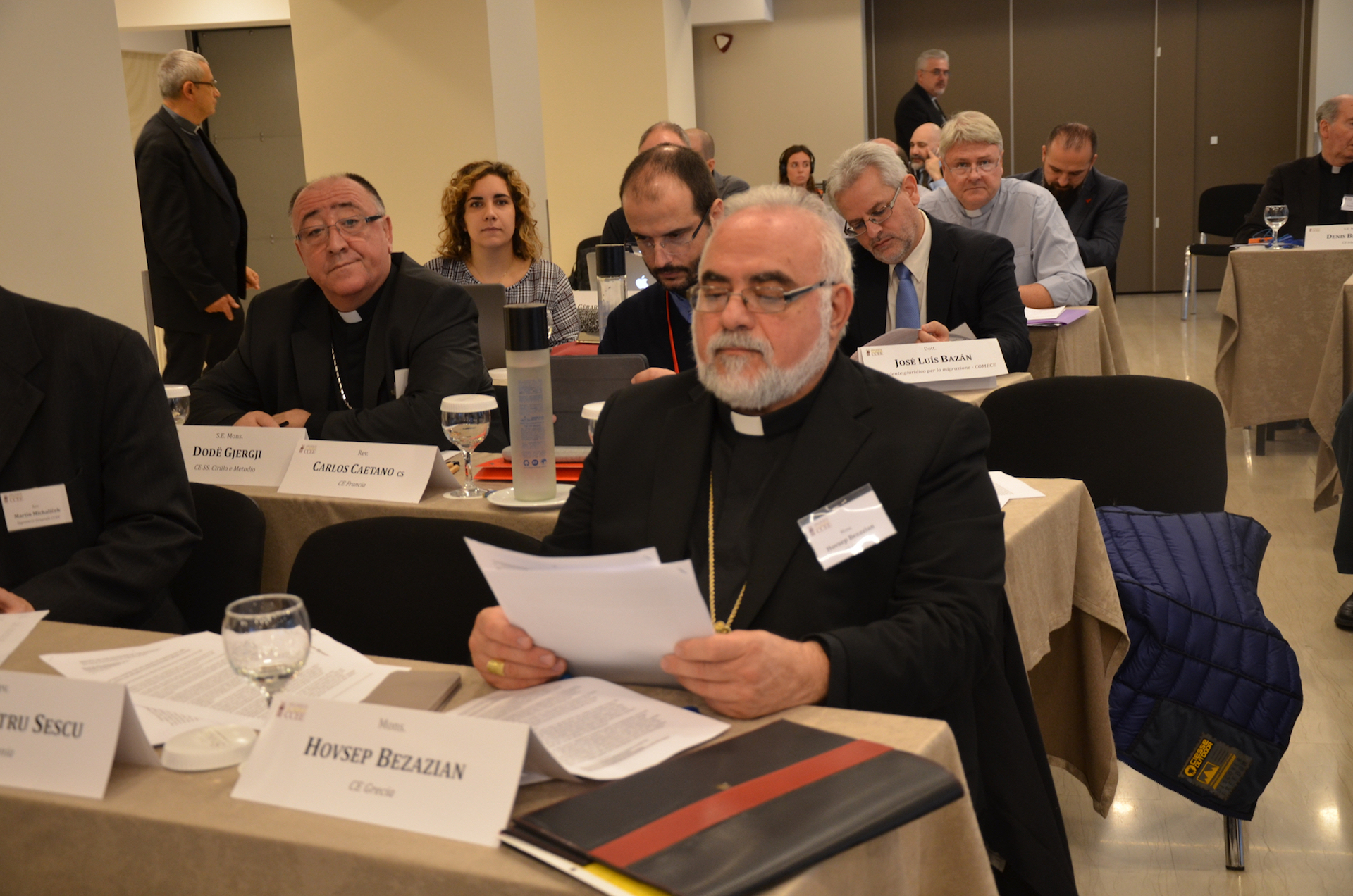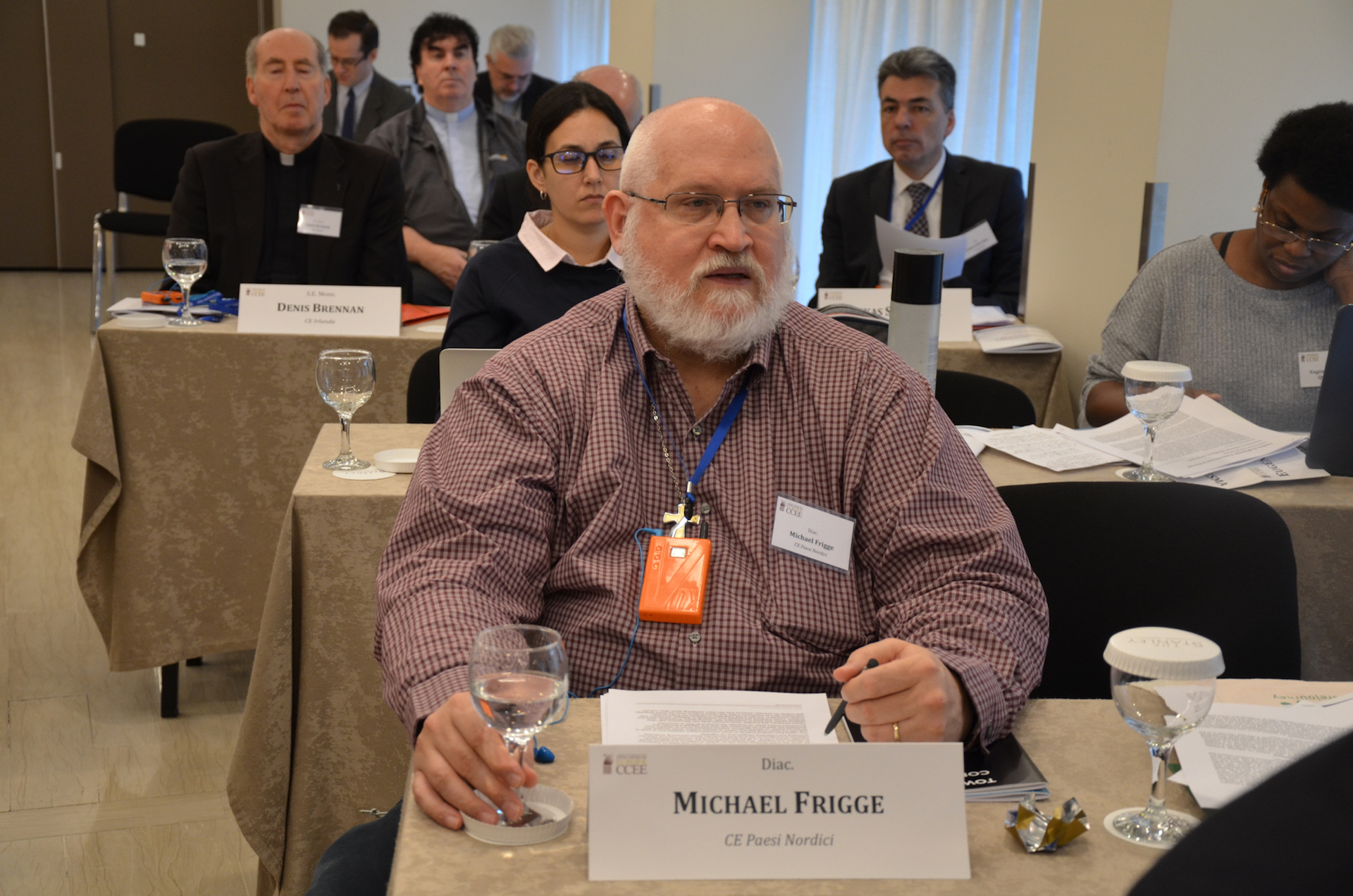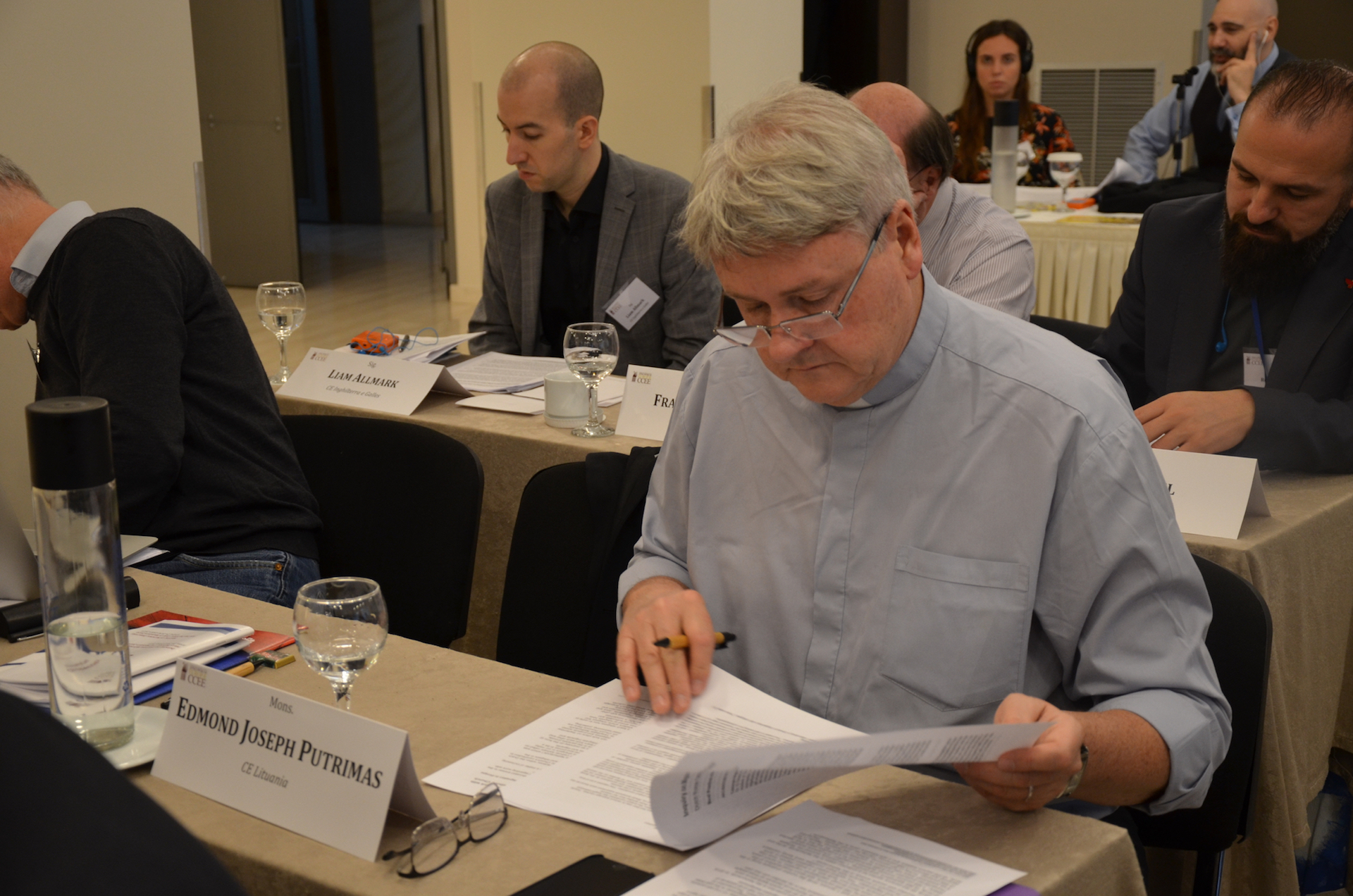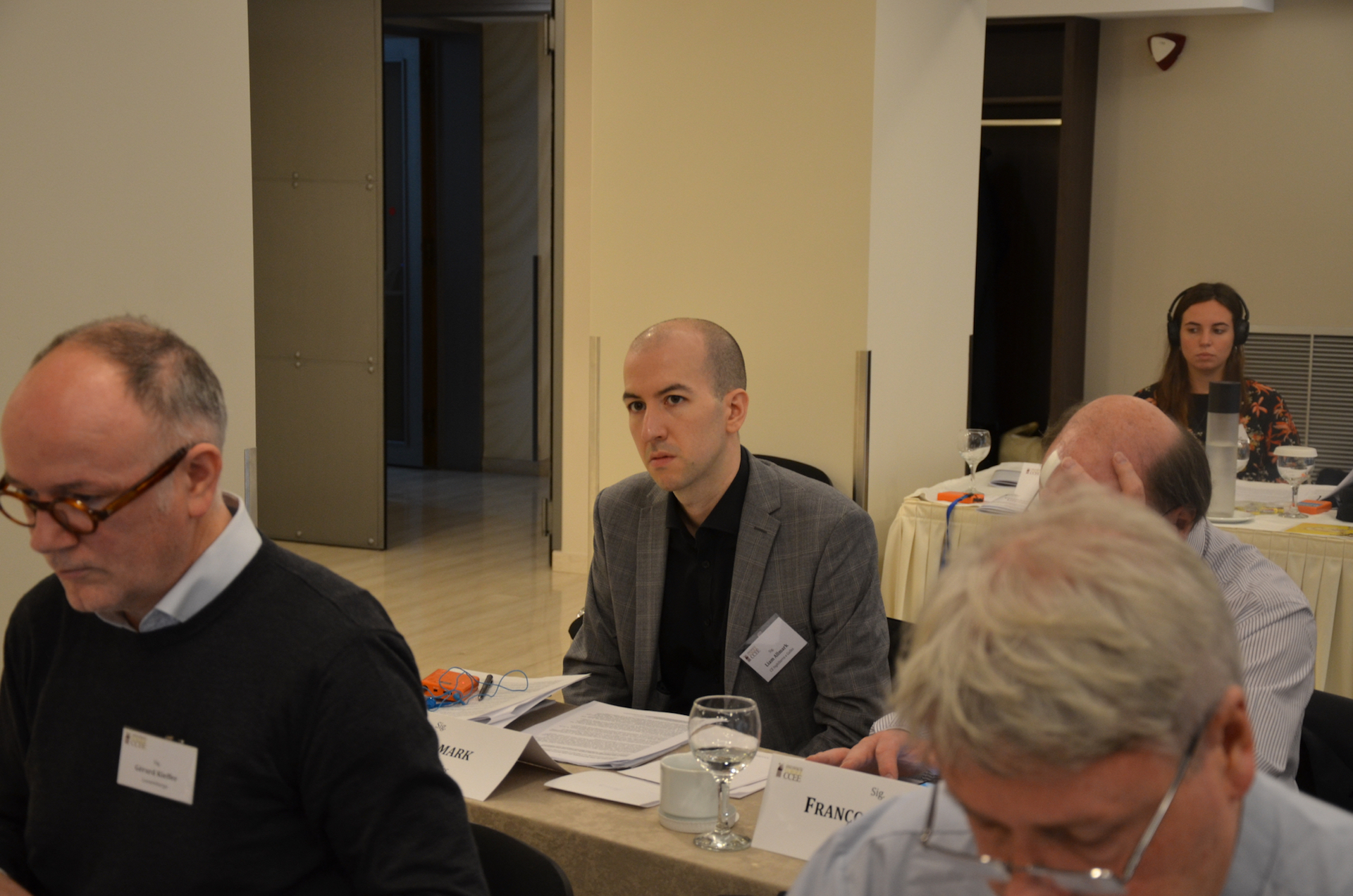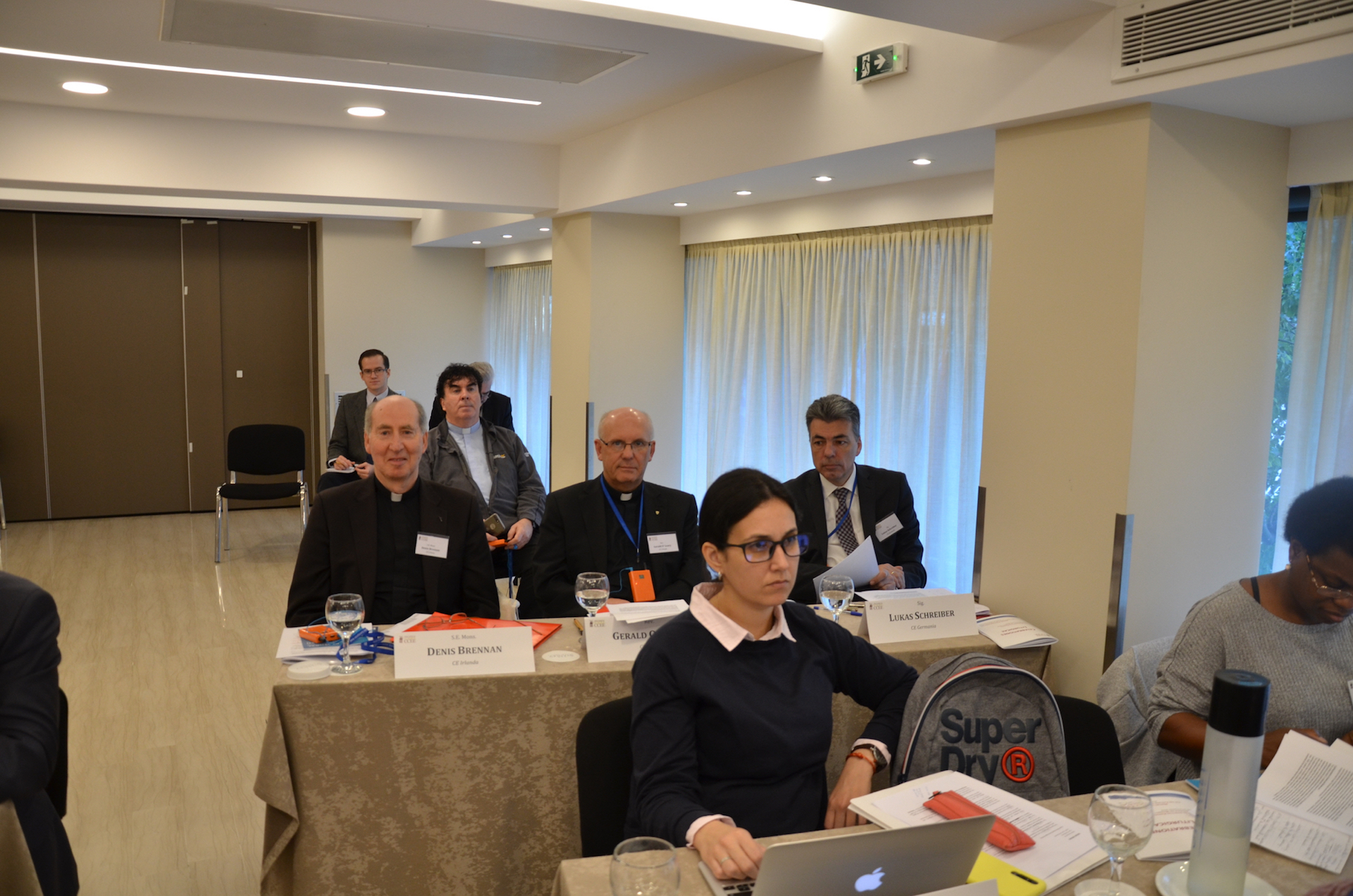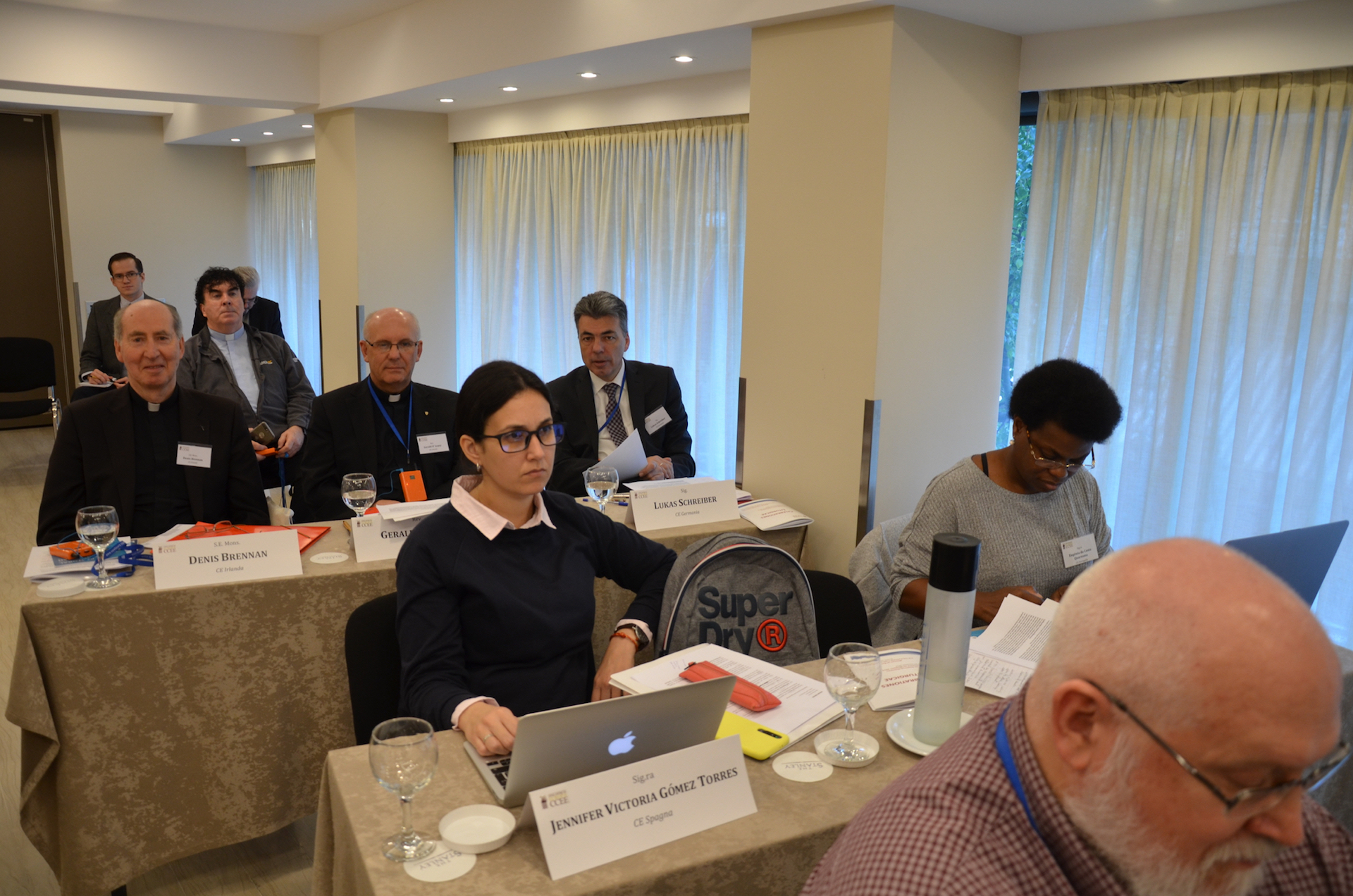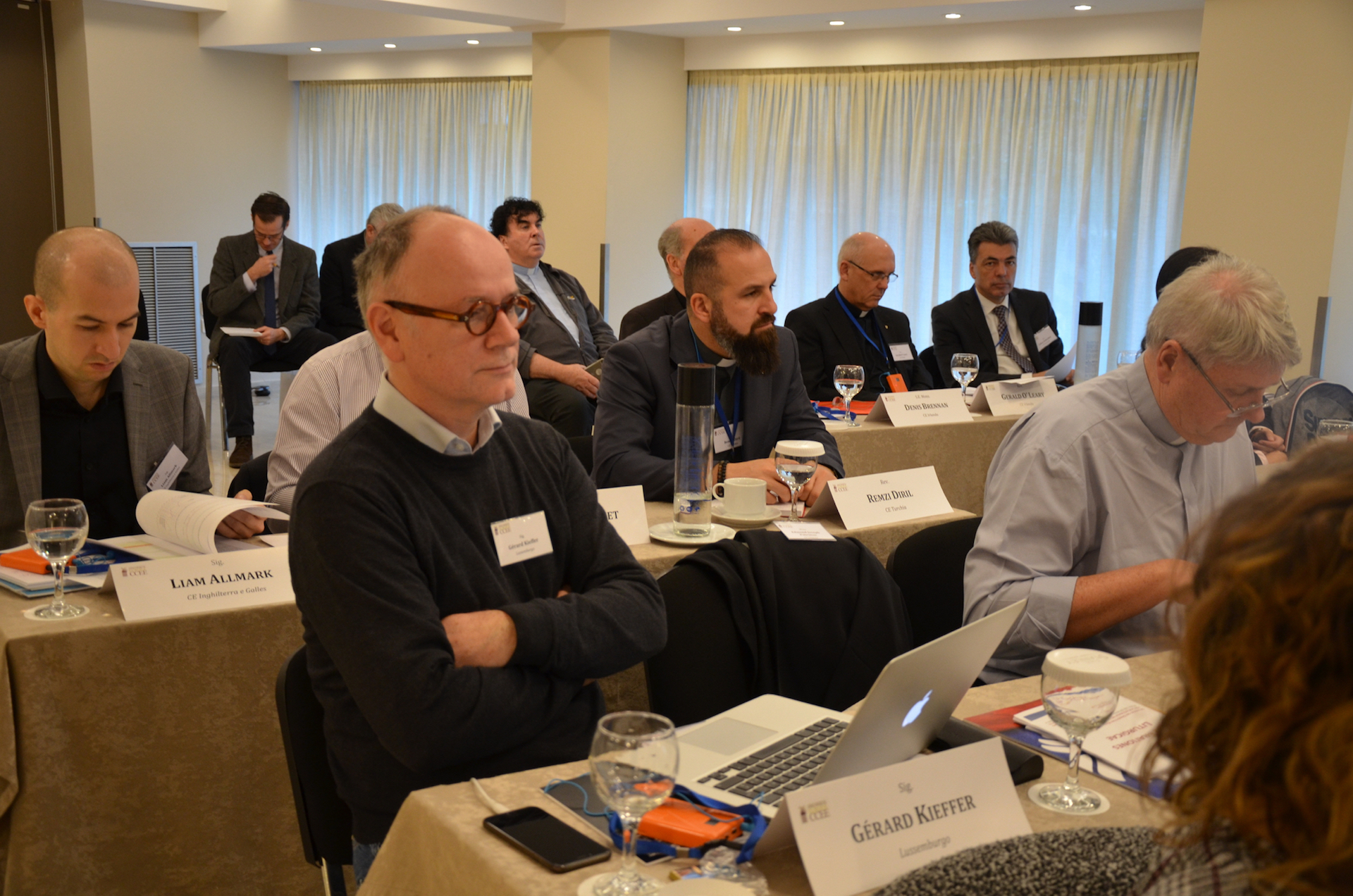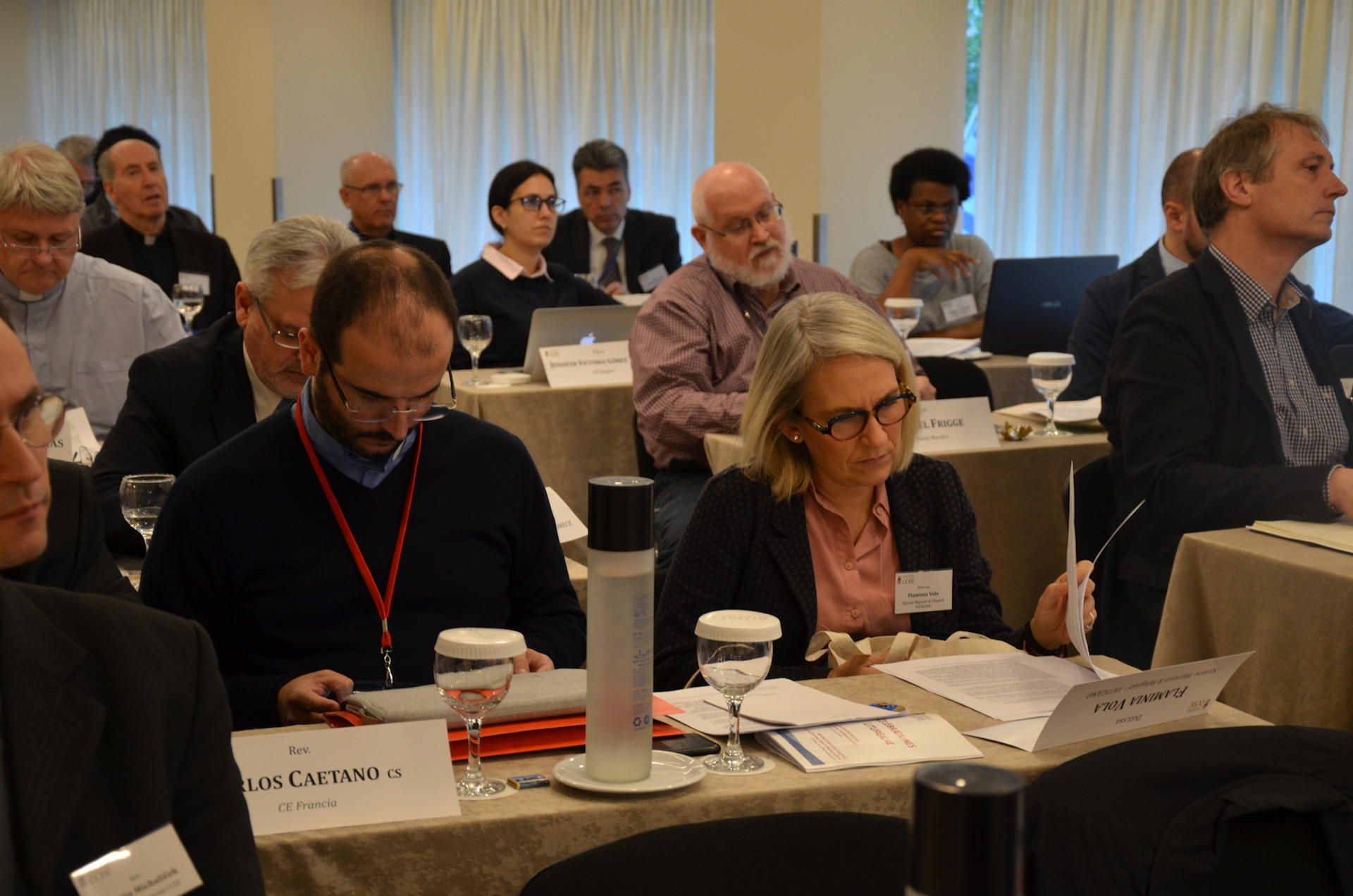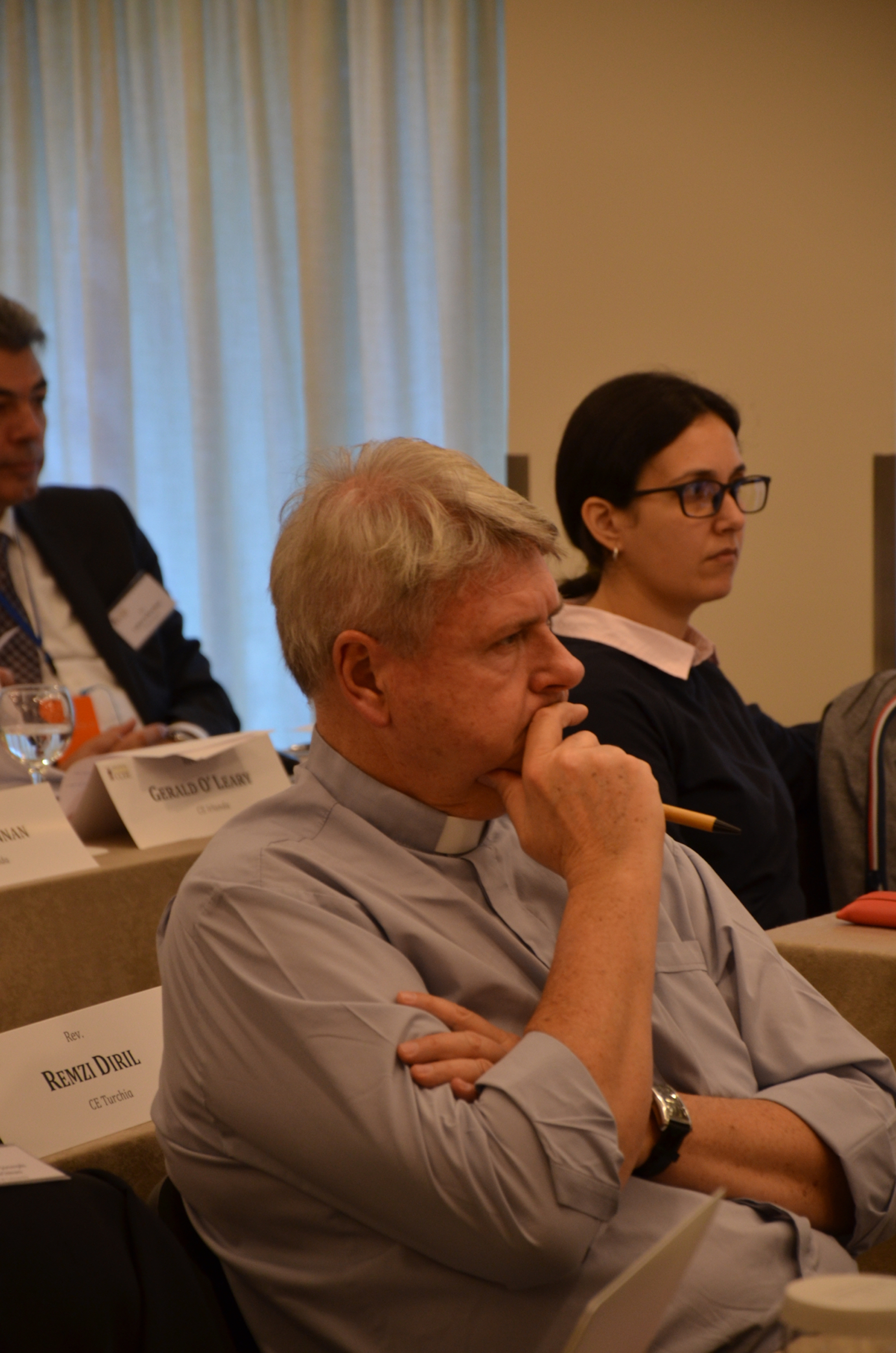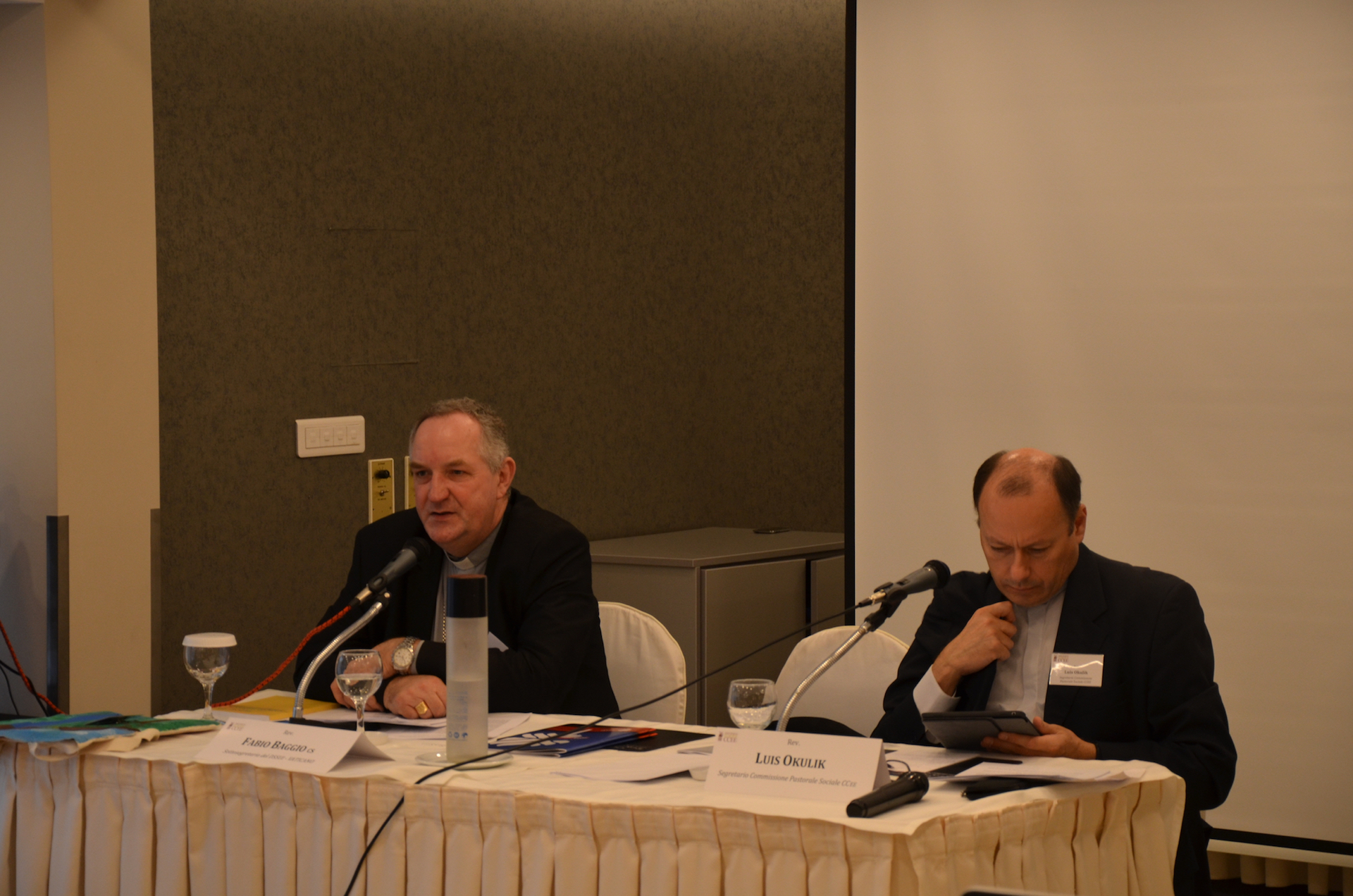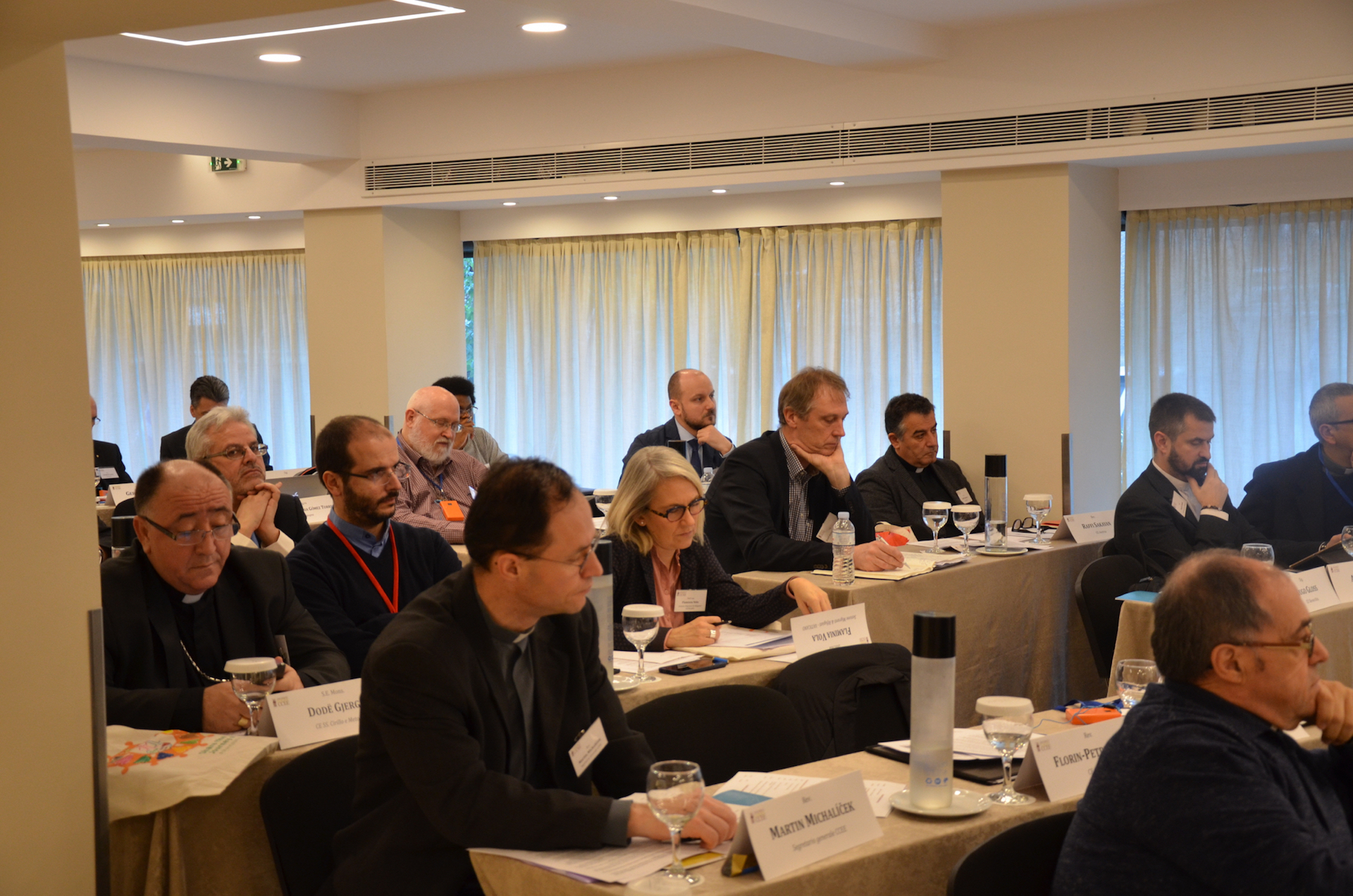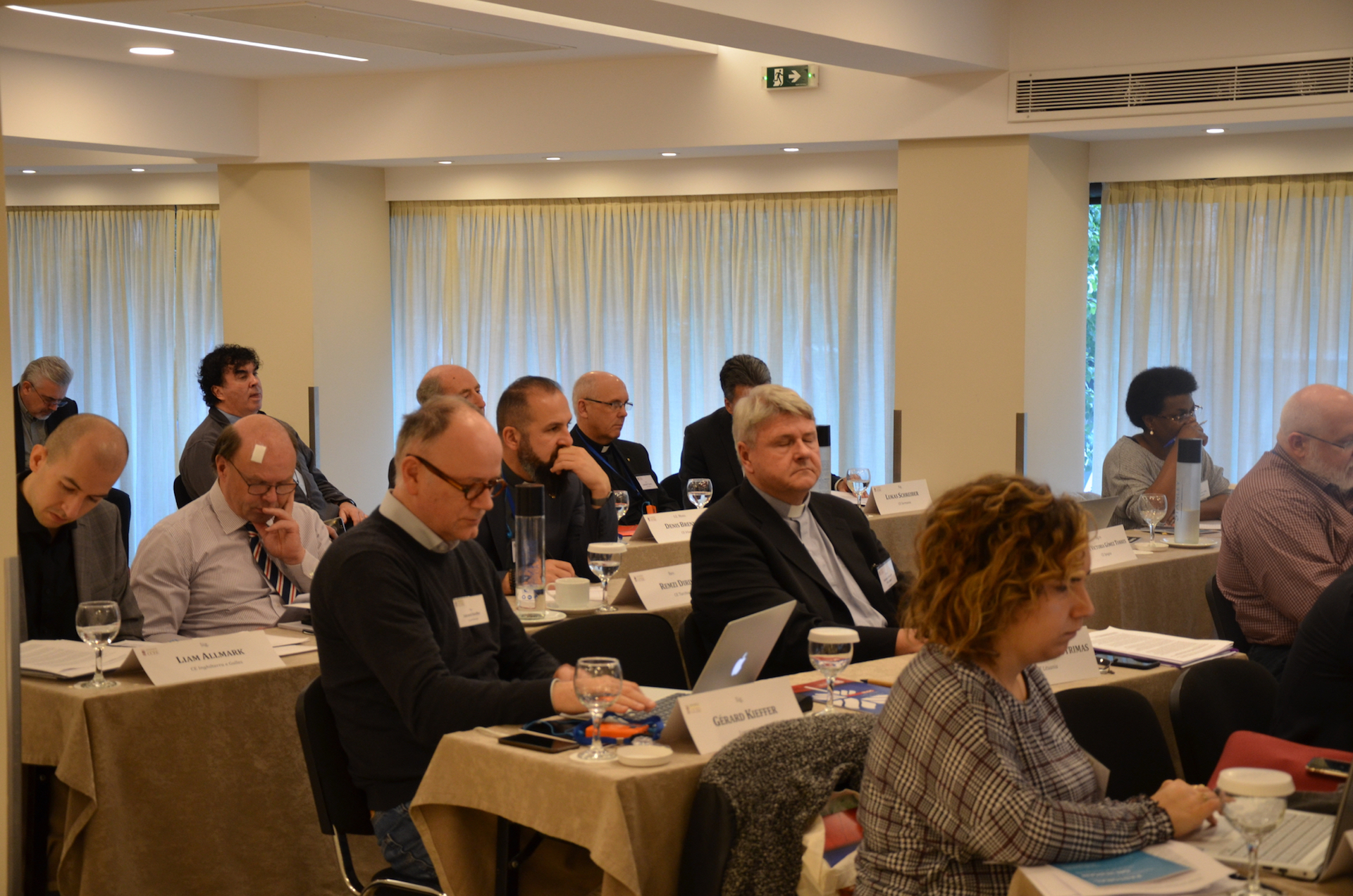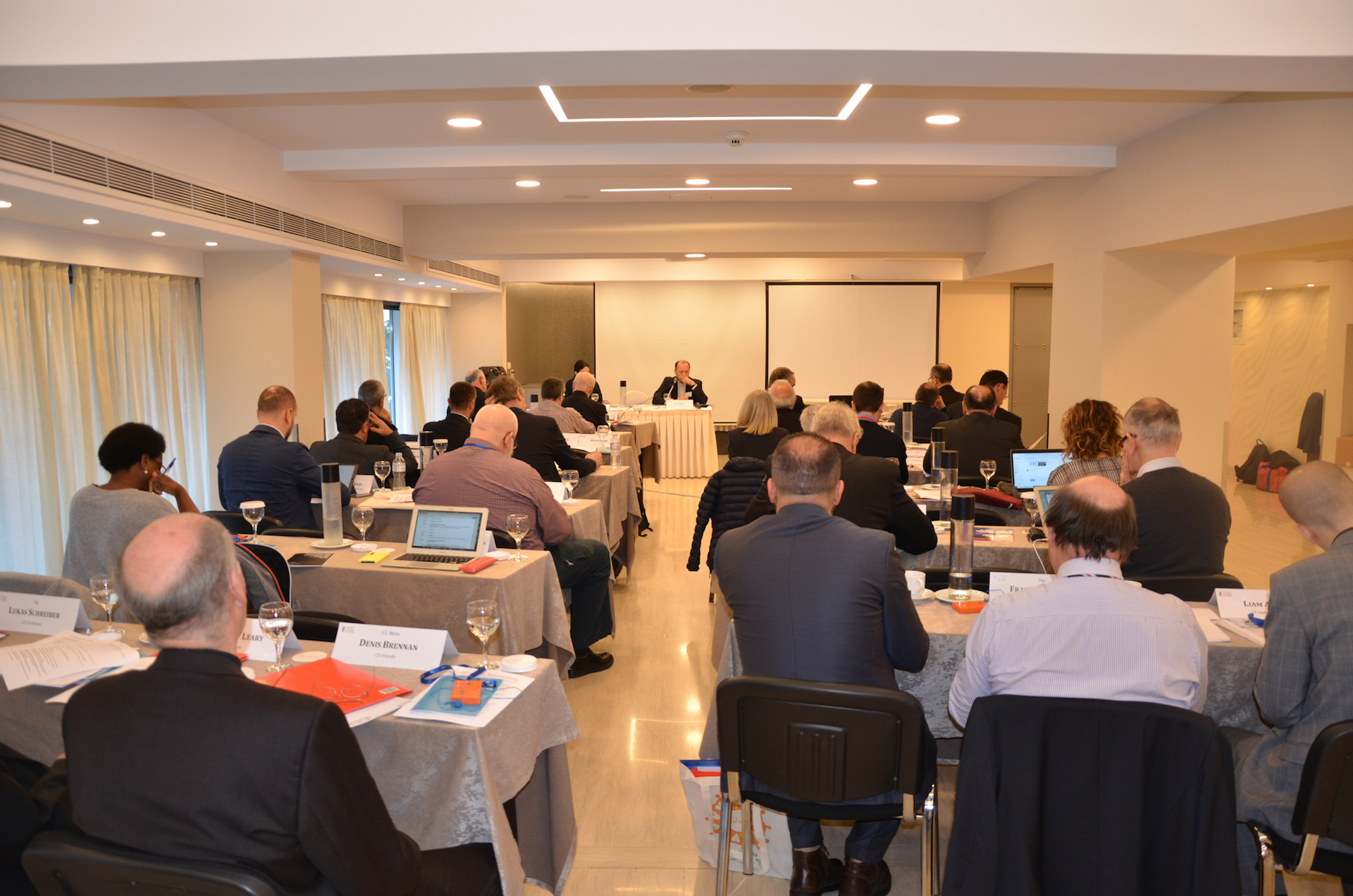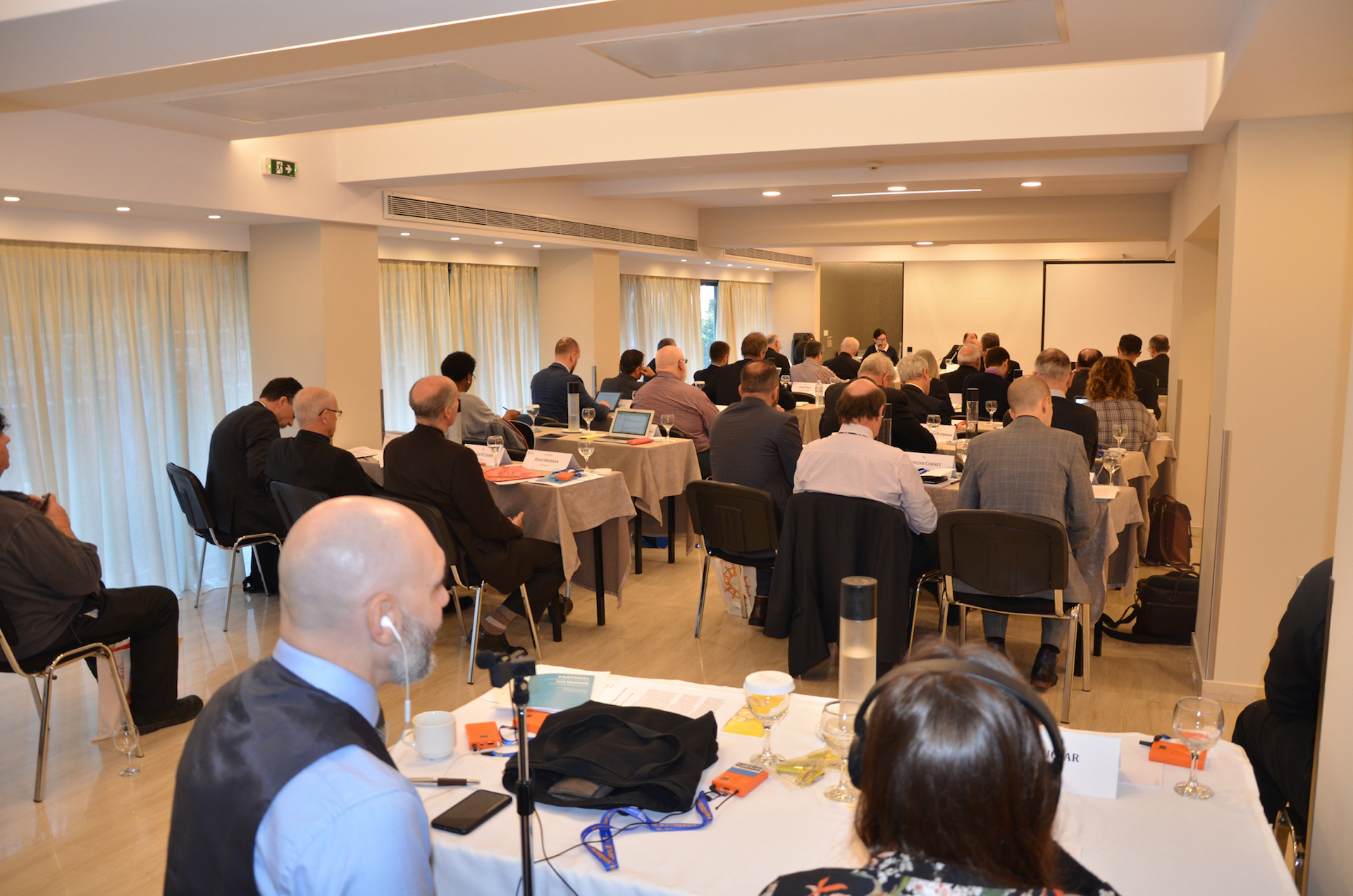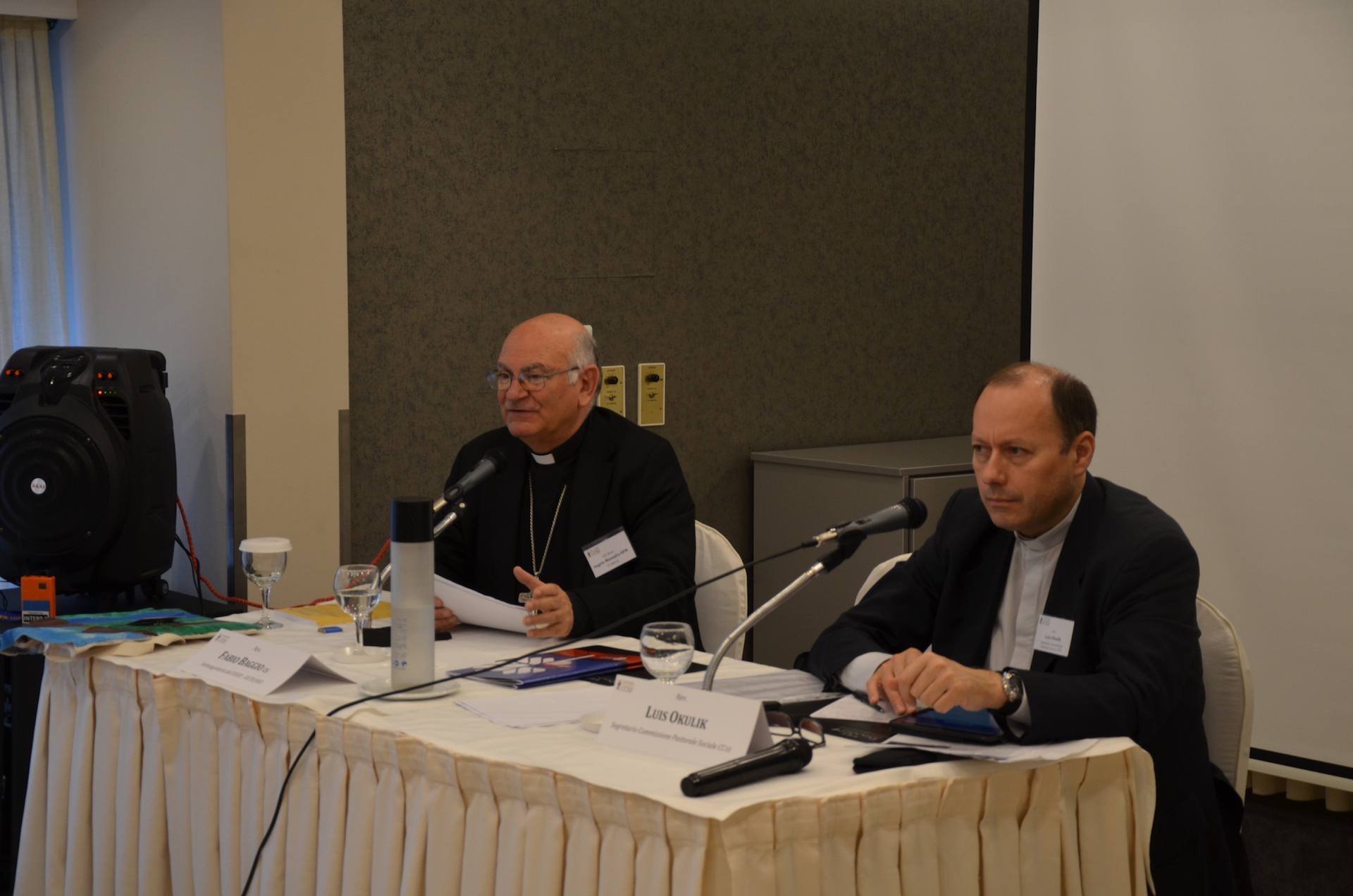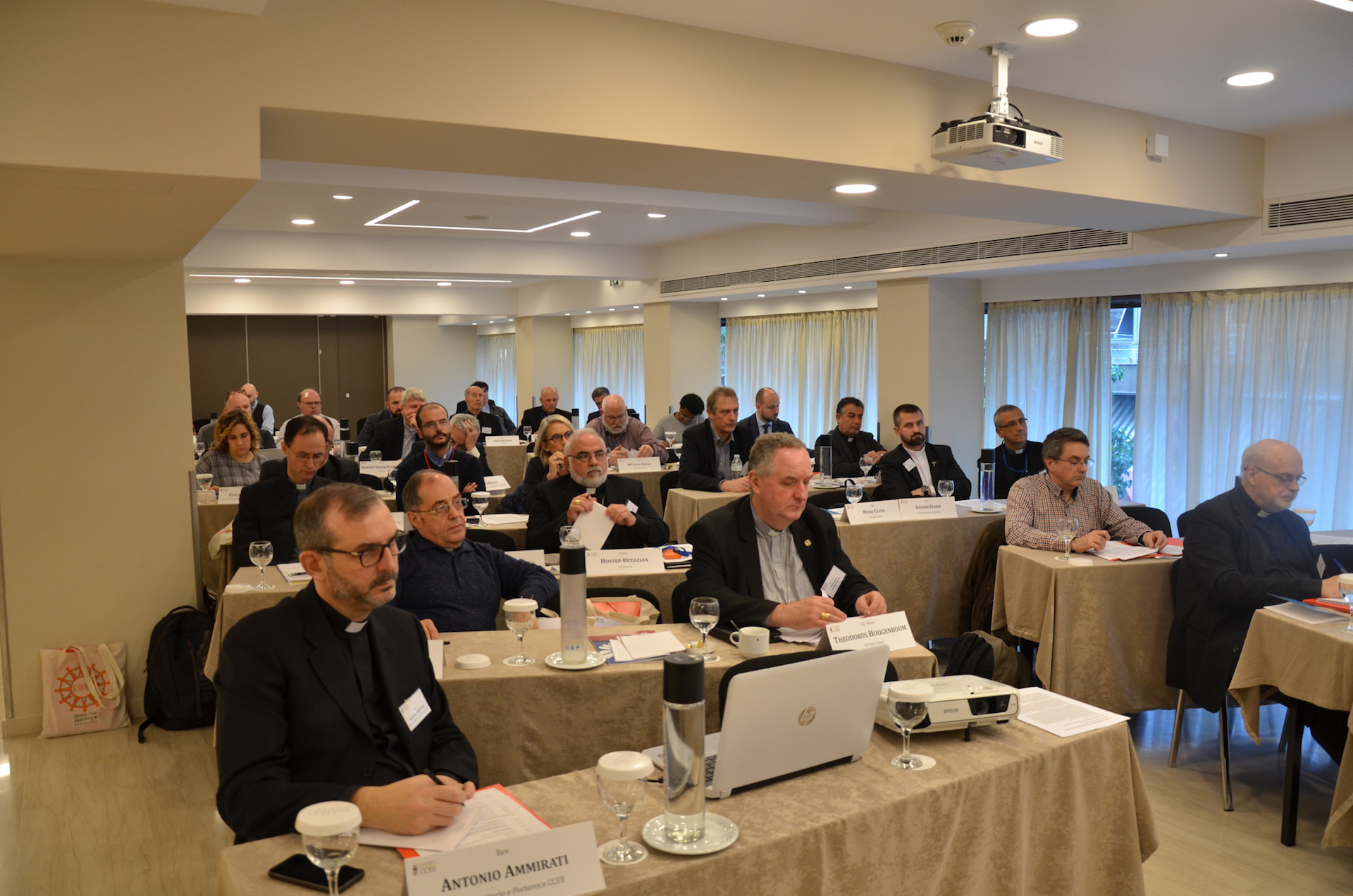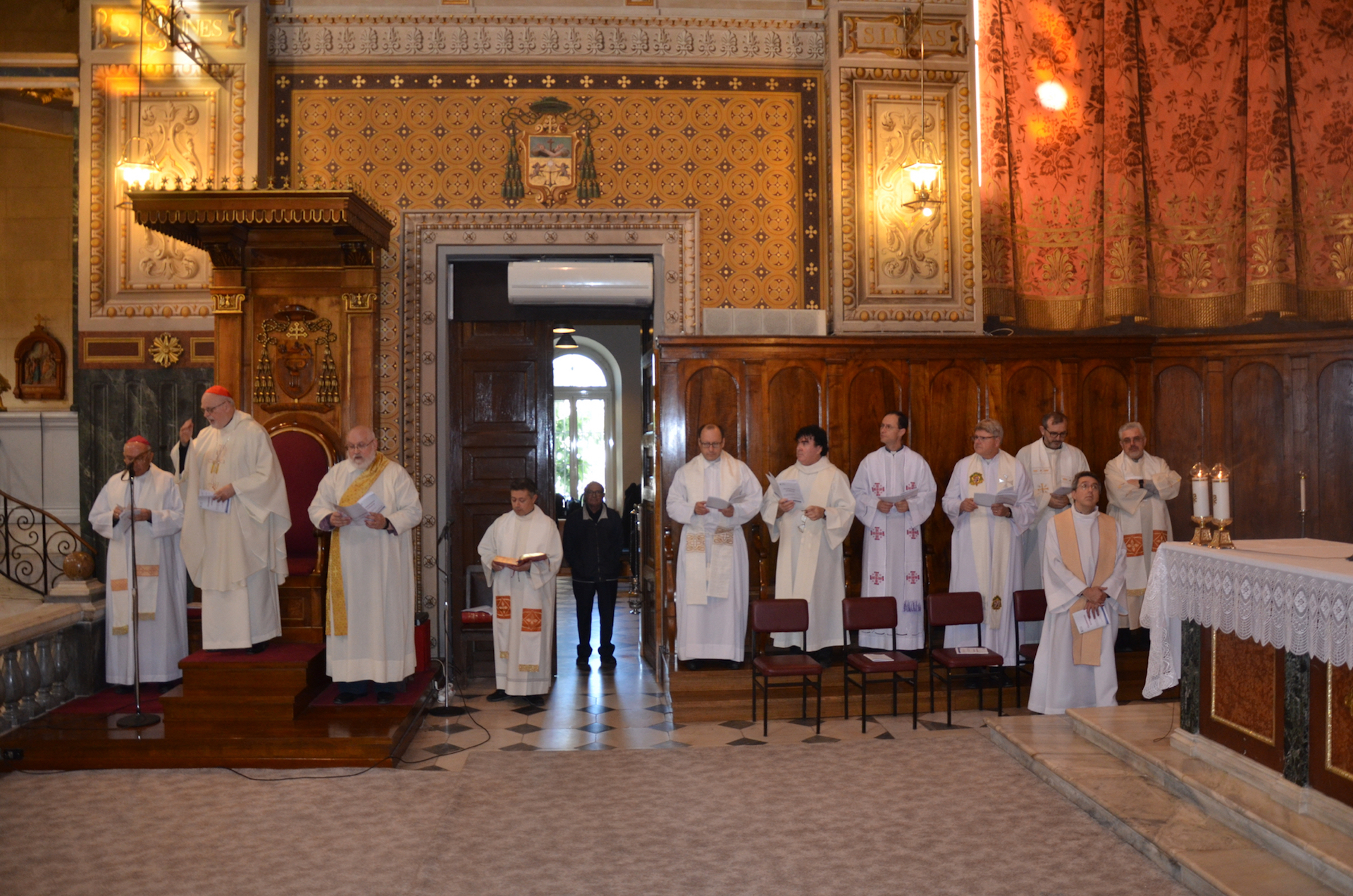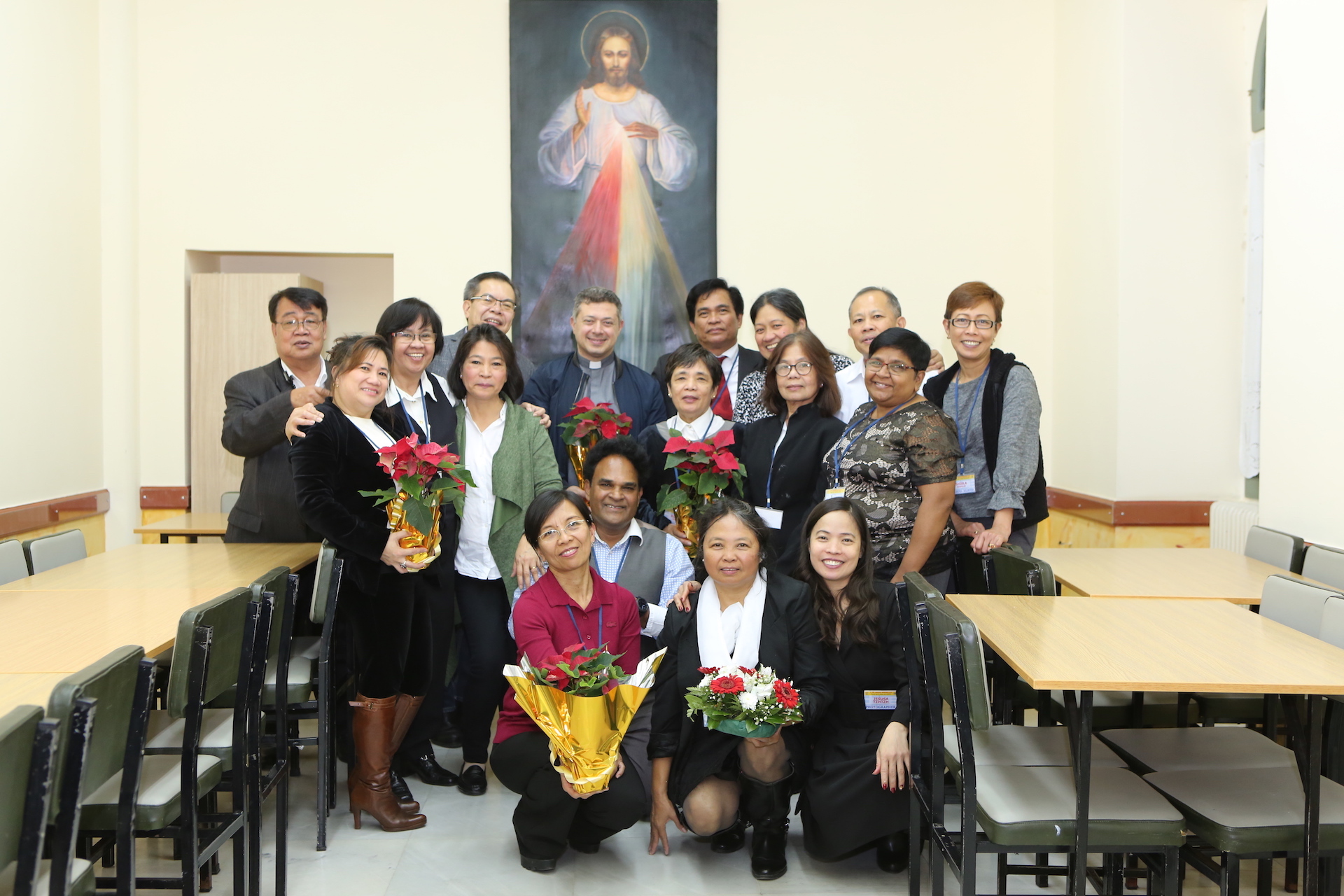
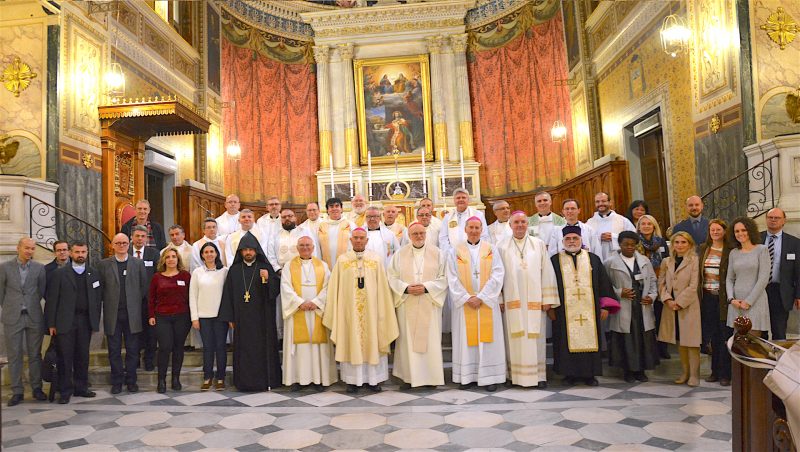
The meeting of the National Directors for Migration took place in Athens from 26 to 28 of this past November. Led by Card. Anders Arborelius, head of the Migrations Section of the CCEE Commission for Social Pastoral Care, the meeting focused on the theme: “The Local community as a model of welcoming and integration in Europe”.
H. E. Mgr Giampaolo Crepaldi, President of the CCEE Commission for Social Pastoral Care, explained the choice of theme: “Our Christian experience teaches us that the reception and care of others, in this particular case migrants and refugees, is converted into a concrete path of evangelization and the recovery of human dignity. Our church communities, often with no small amount of effort, learn to open their hearts with generosity as a sign of availability to others. However, we are very well aware – due to our daily experience – that the complexity of managing migratory flows presents challenges that are not always easy to resolve and that even generate much tension within our own communities. That is why we thought it necessary to discuss some concrete aspects that define our ecclesial way of life, in order to succeed in renewing our Christian commitment towards those in need”.
H. E. Mgr Sevastianòs Rossolàtos, Archbishop for the Catholics of Athens, spoke of the reality of Catholic immigration in Greece: “Very few have become aware that the arrival of numerous Catholic immigrants in the small Catholic Church in Greece has brought great upheaval. It is sufficient to say that there are 50,000 Greek Catholics within Greece, while today there are at least 150,000 Catholic immigrants, something that does not happen in any other country or in any other Church in Europe!
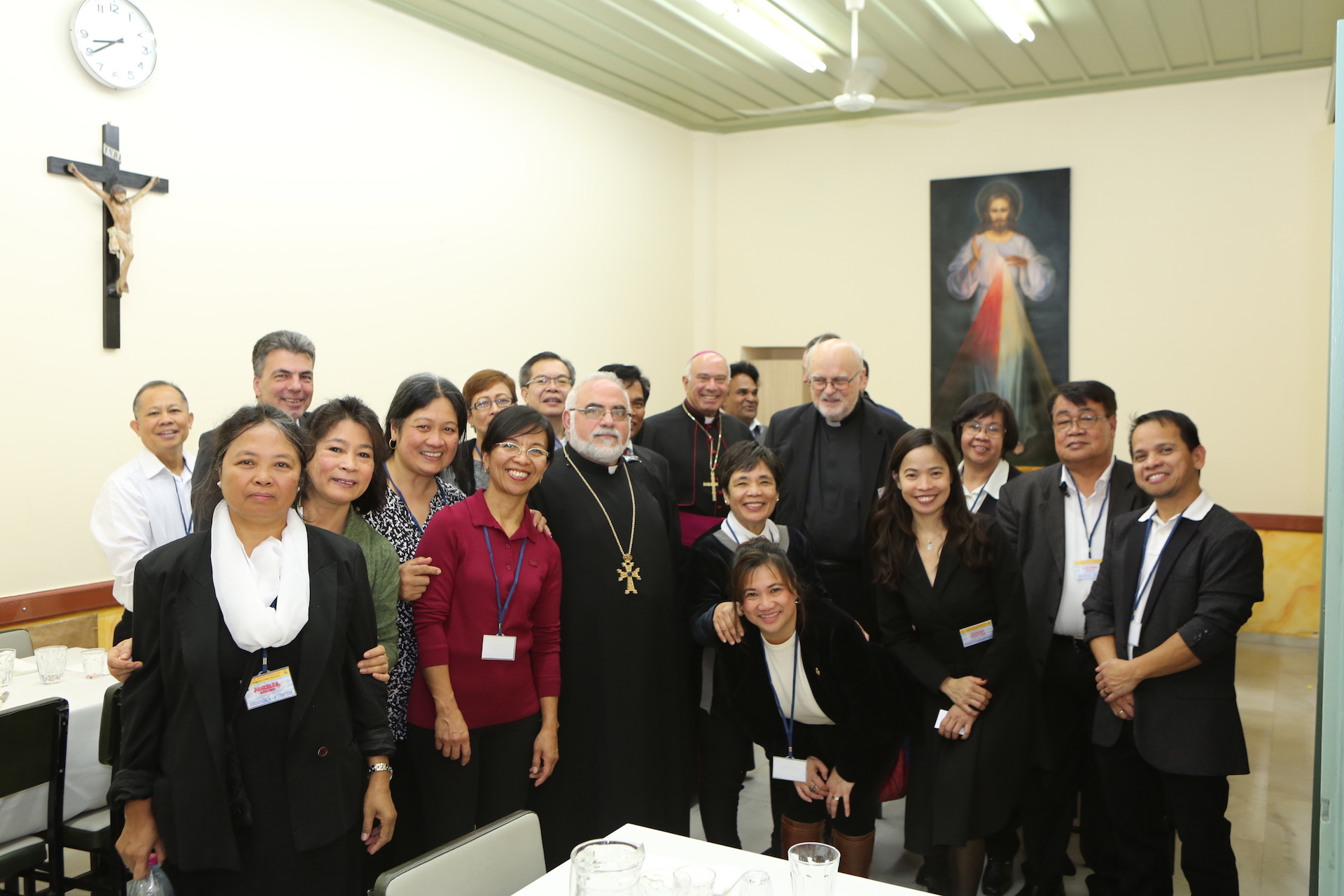
Immigrants have been scattered to every corner of Greece where they found work, but not in the centres with an organised Catholic Church, with churches and parish priests. We therefore have a diaspora that we find difficult to serve, not only because we don’t have extra priests to send, but also because we don’t have the economic possibility to rent places of worship and homes for the priests or to buy cars for their movements. In the centre of Athens today, immigrants are prevailing with three parishes: with a 95% presence of Filipinos in the cathedral, 95% of Poles in the parish of the Jesuits and a proportionate presence of Africans in the parish of the Assumption Fathers”.
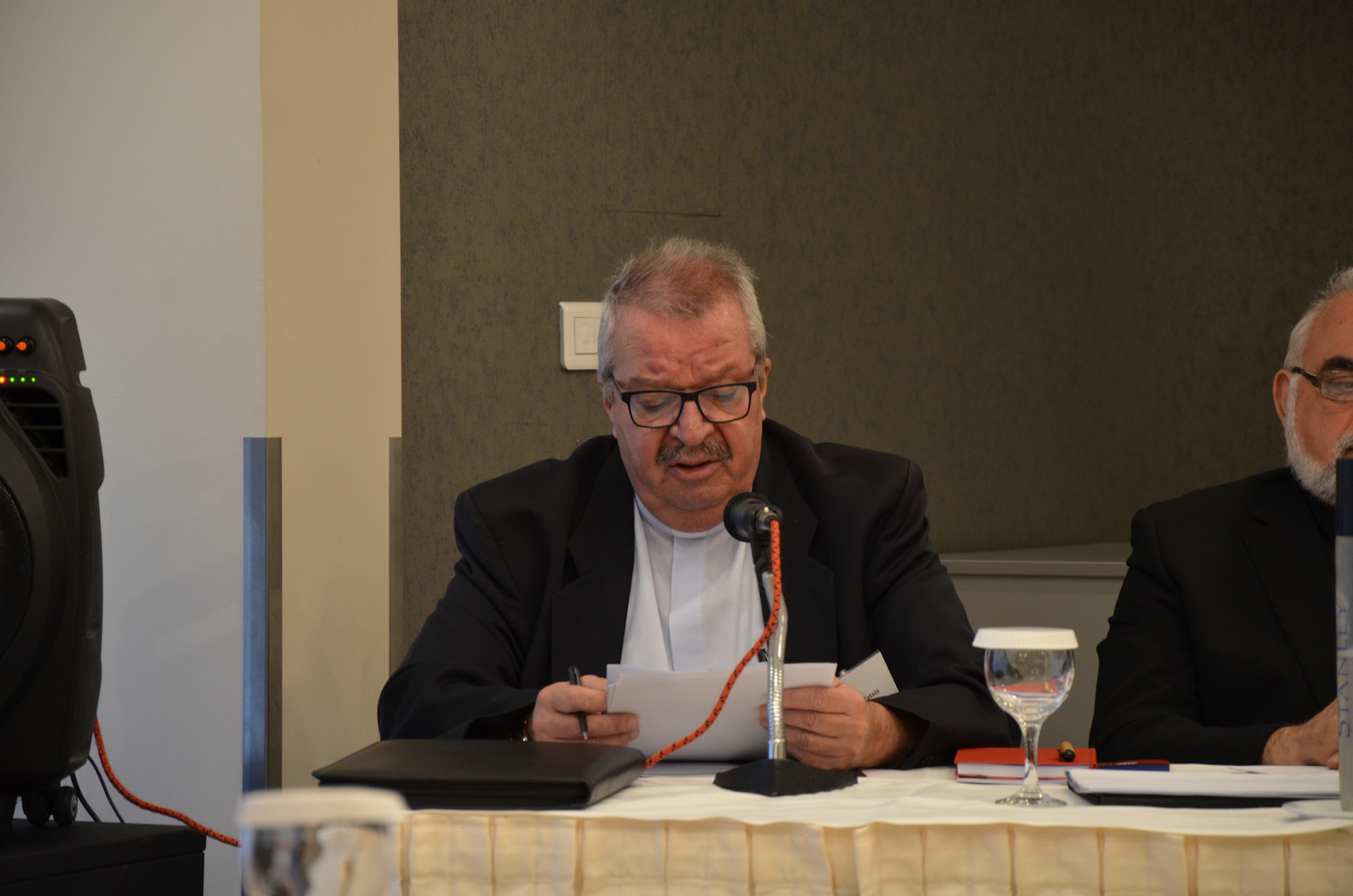
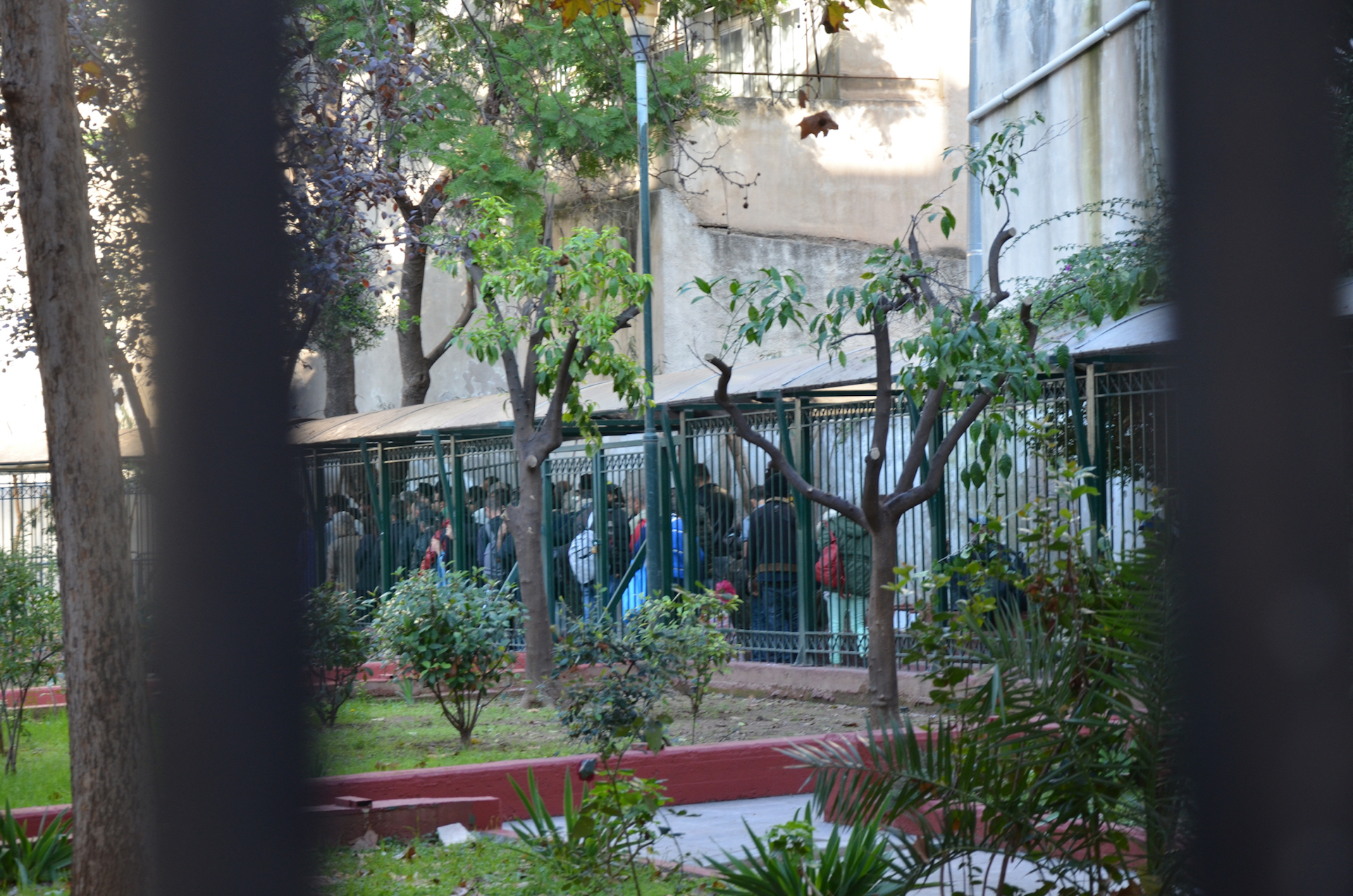
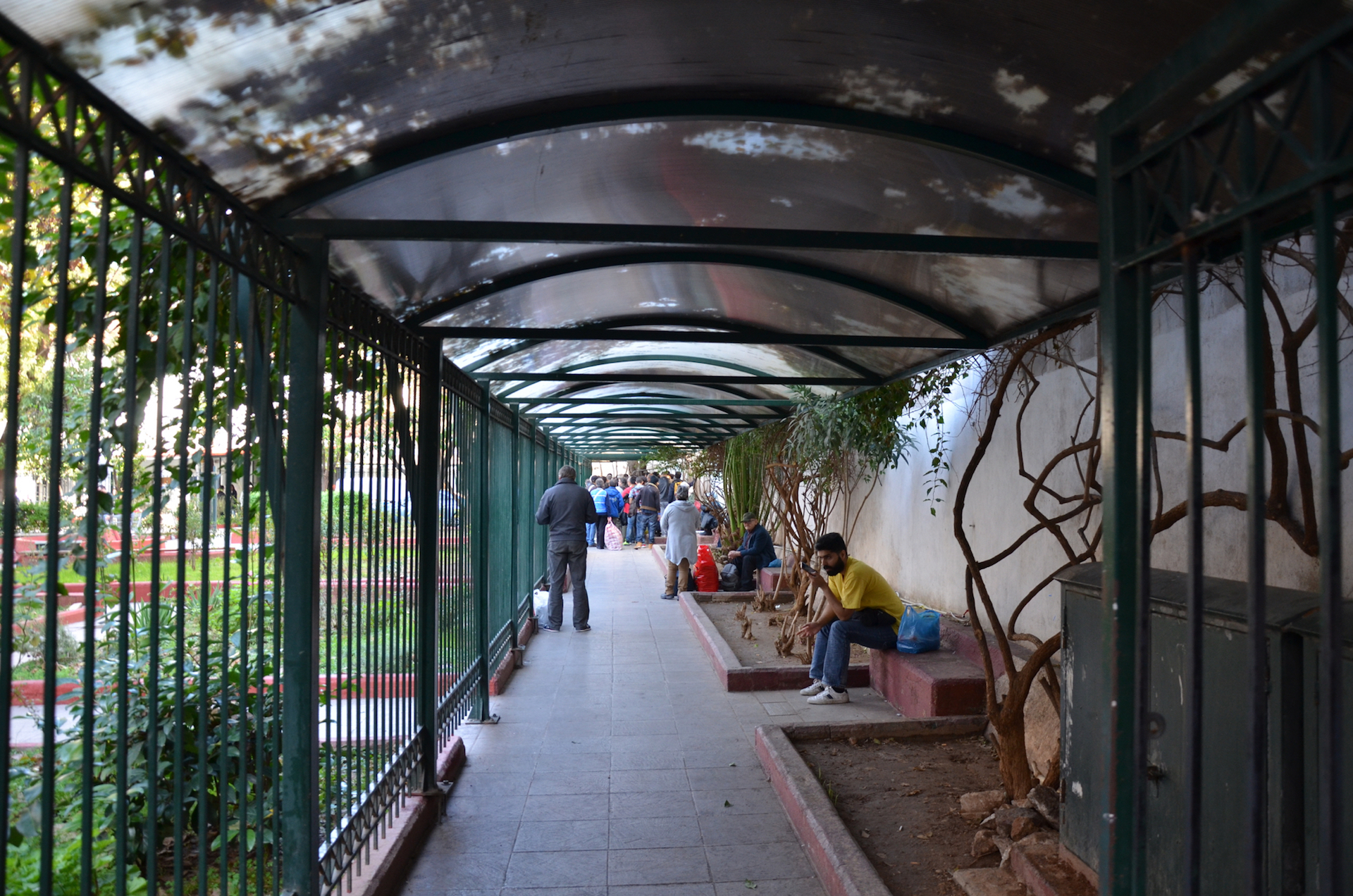
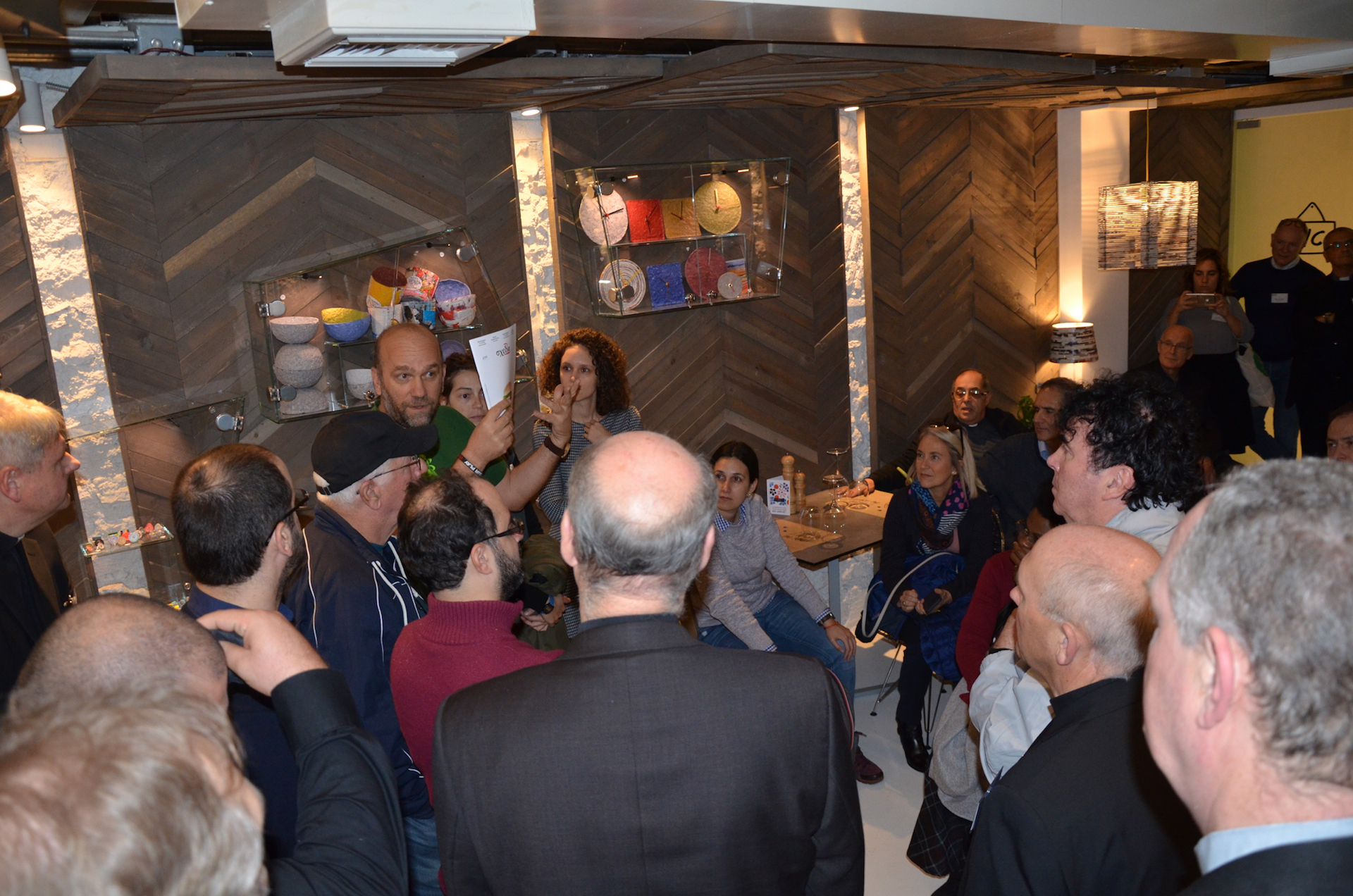
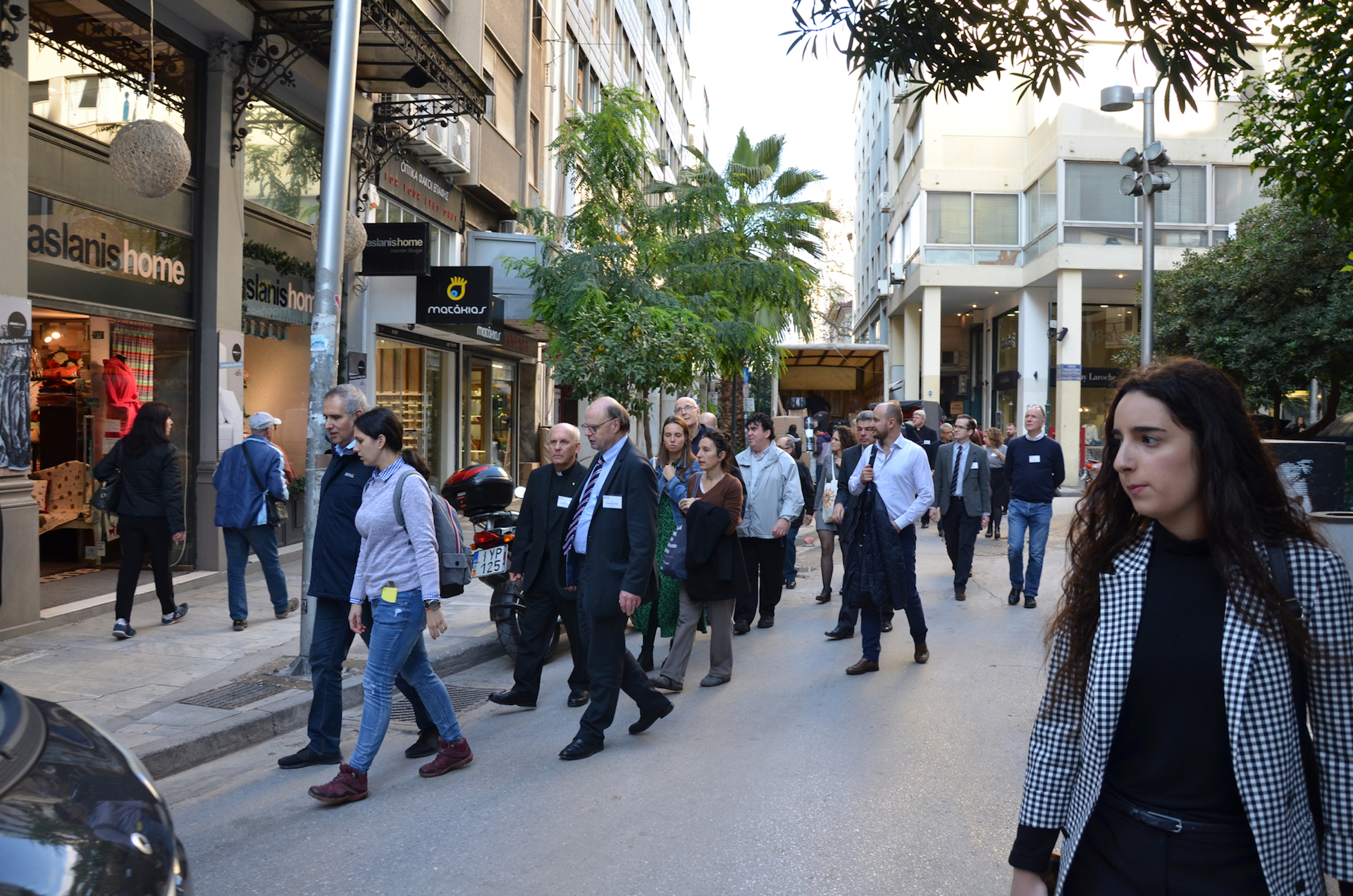
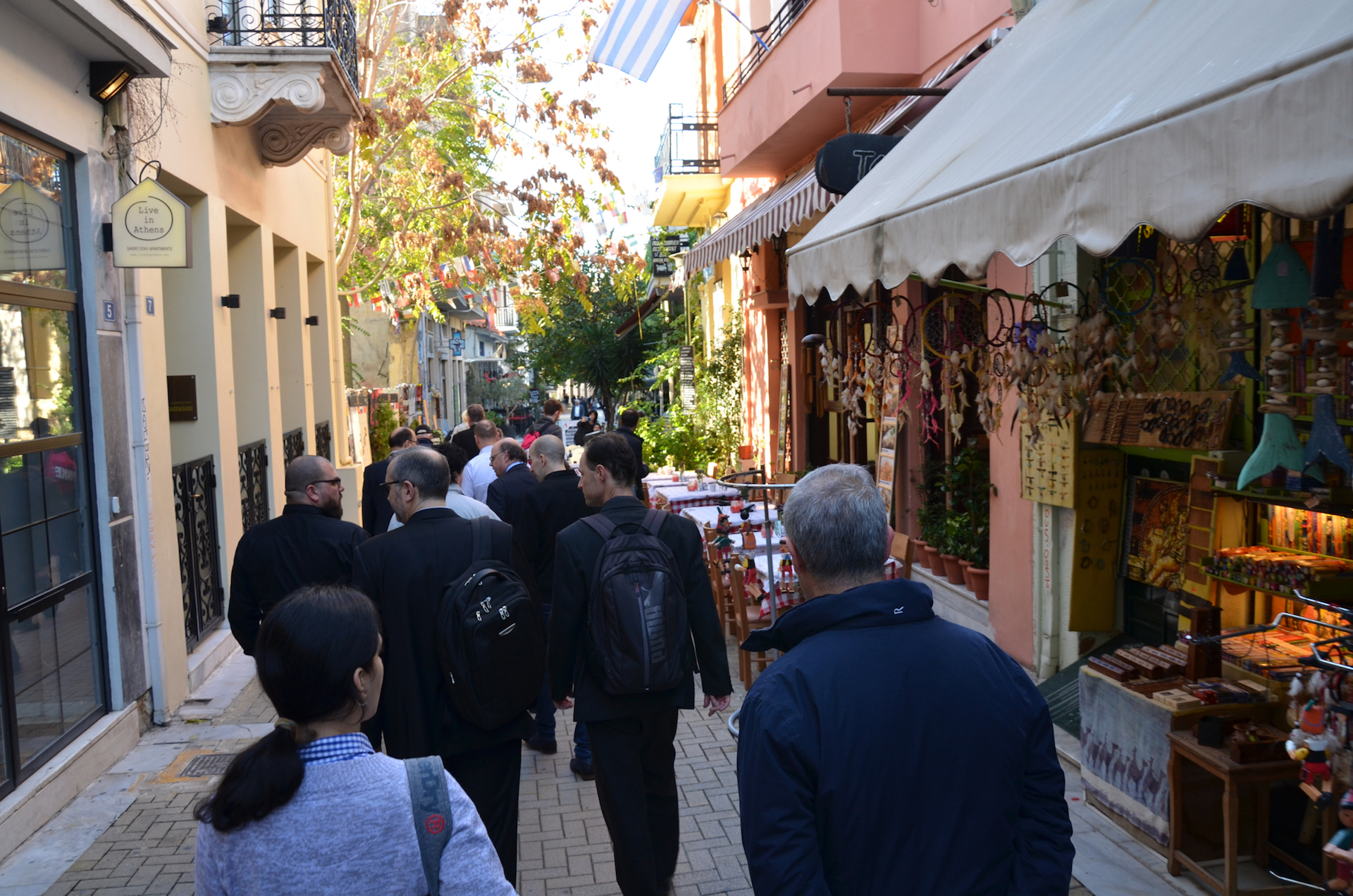
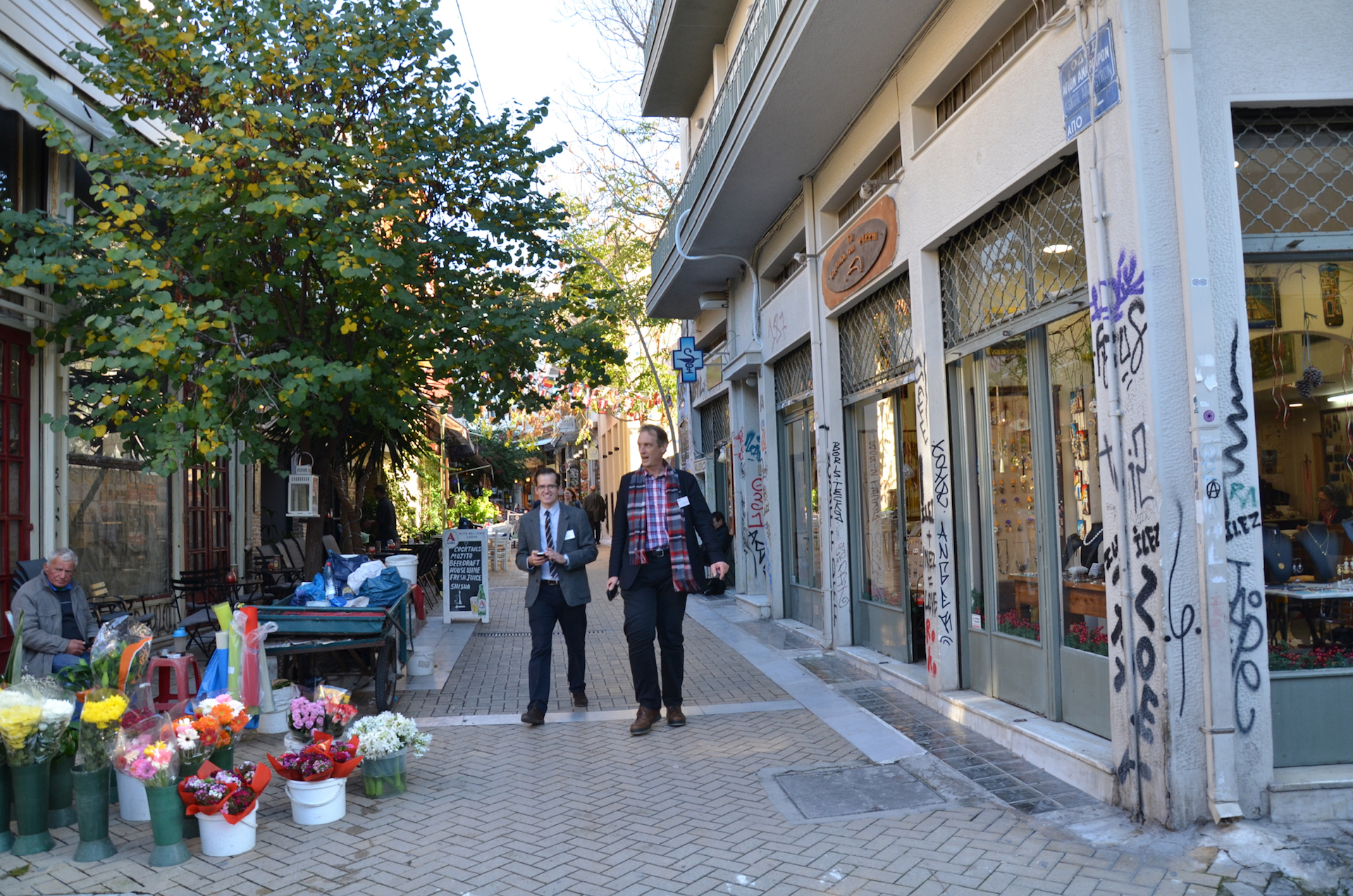
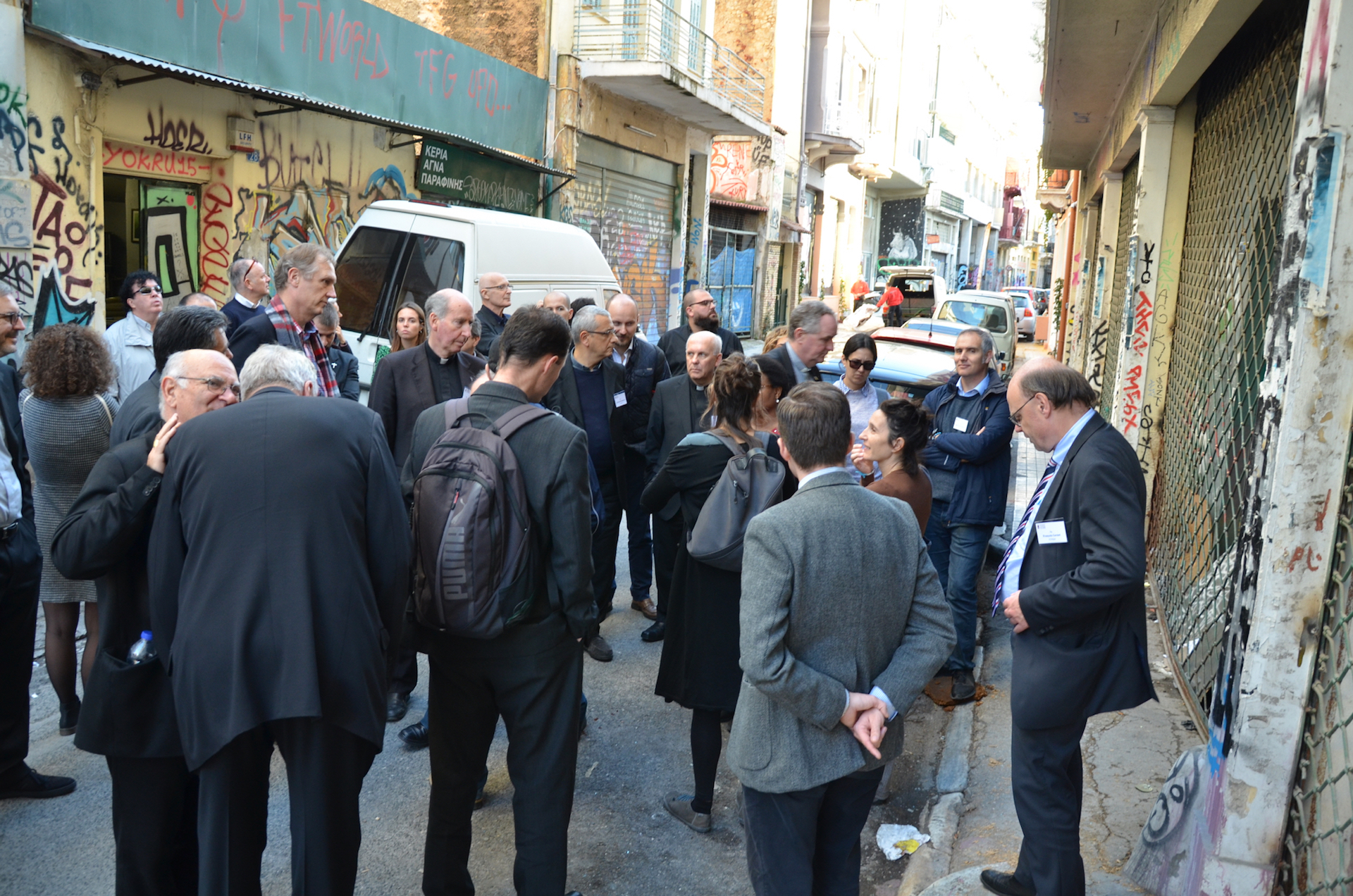
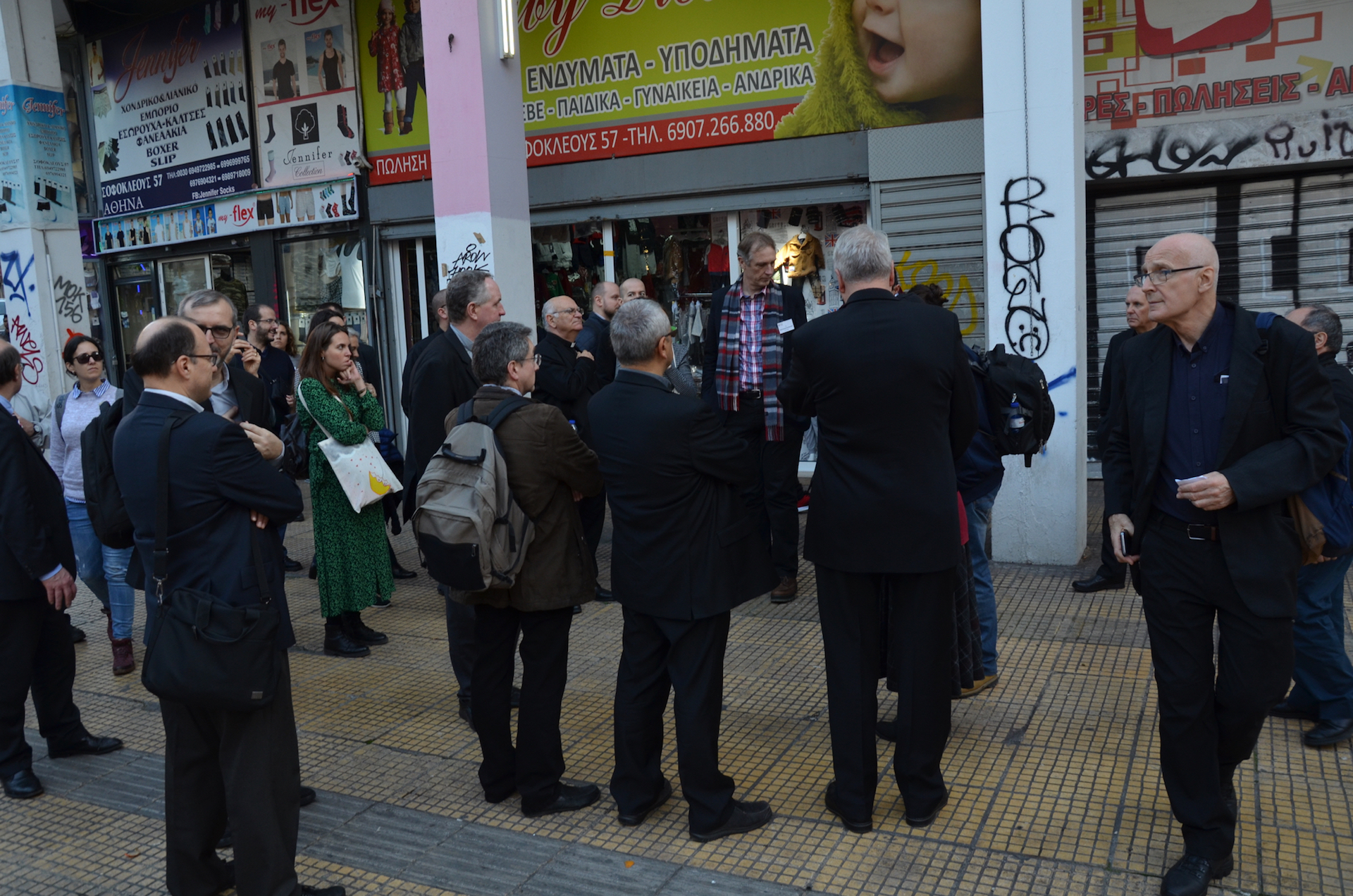
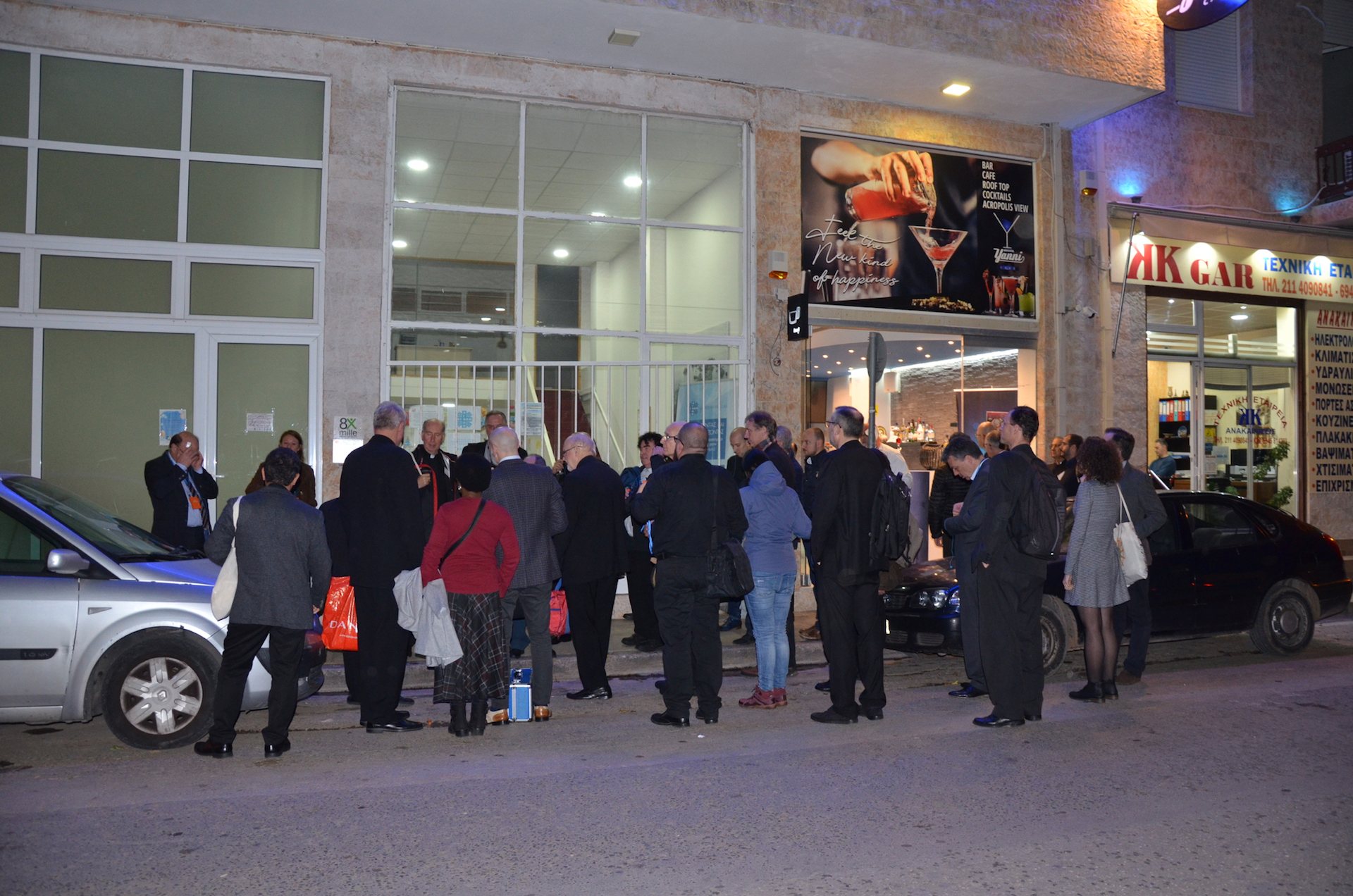
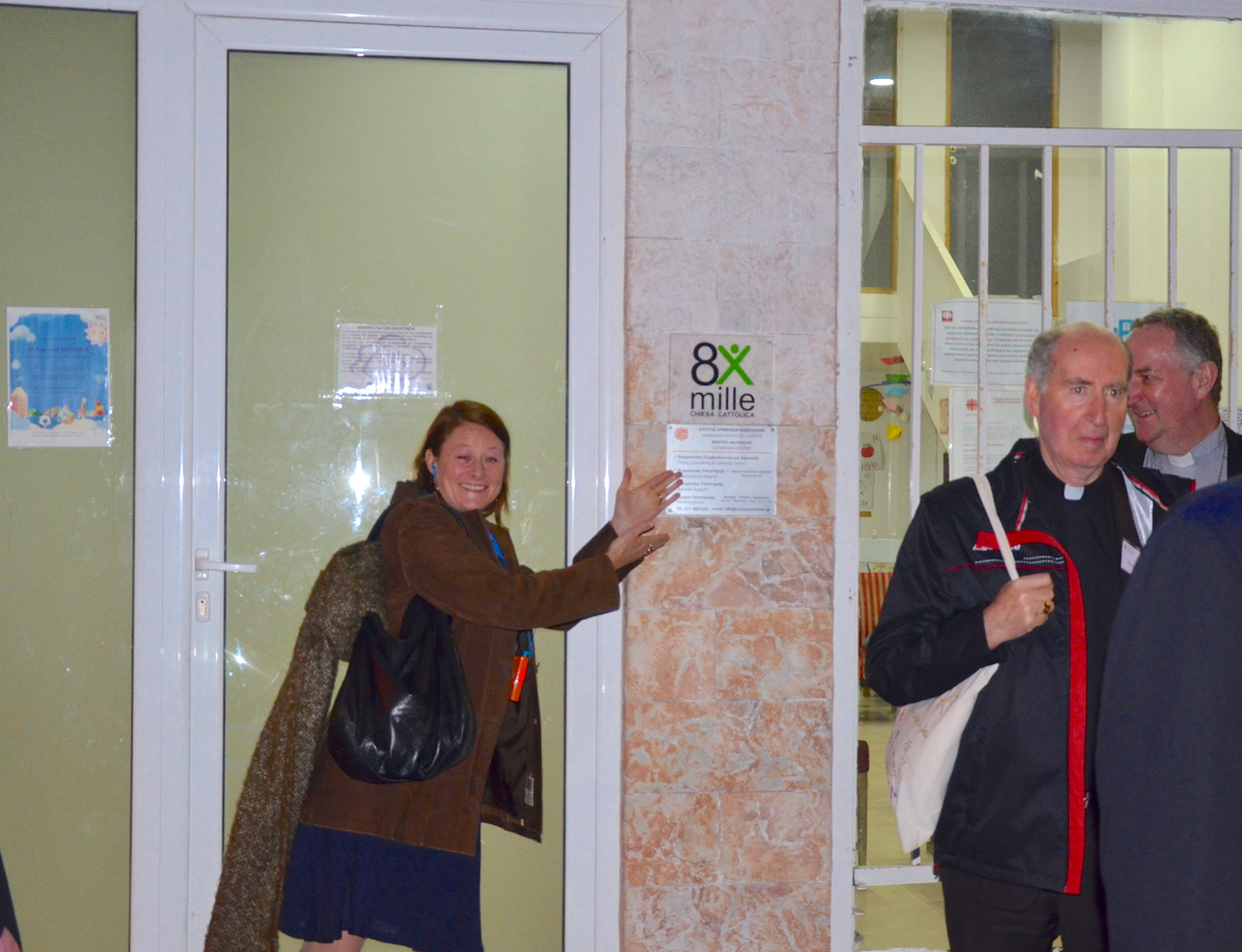
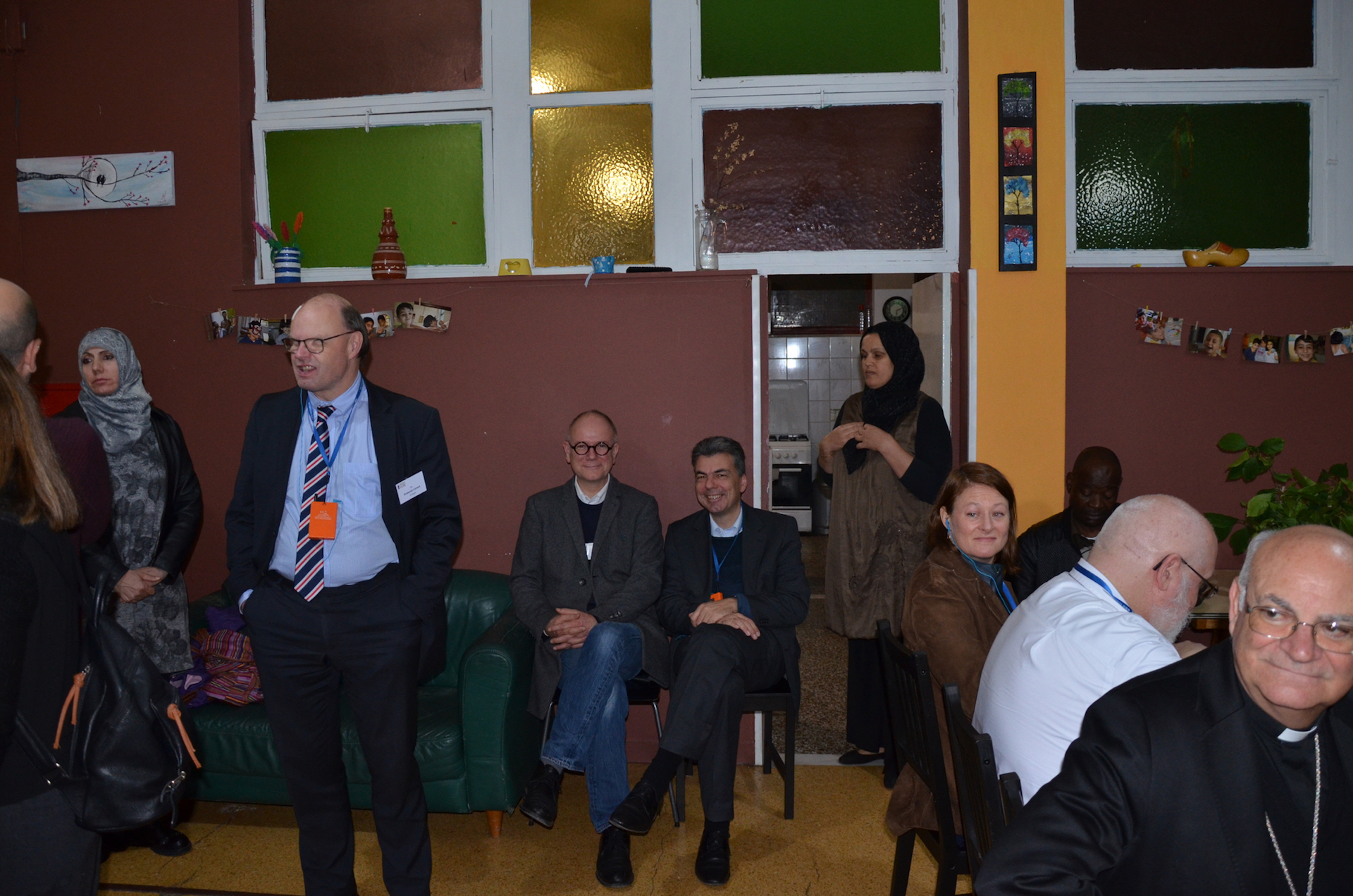
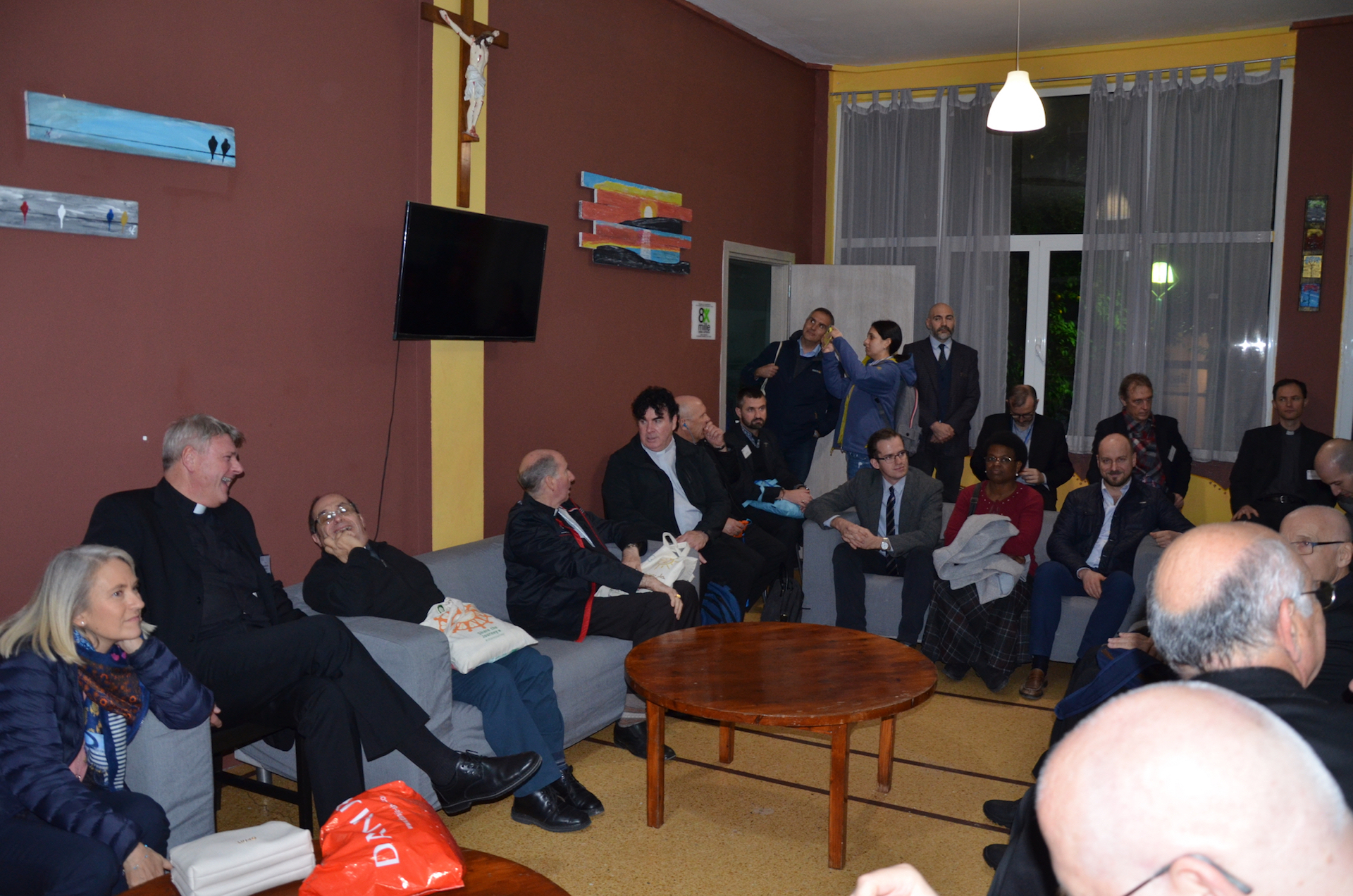
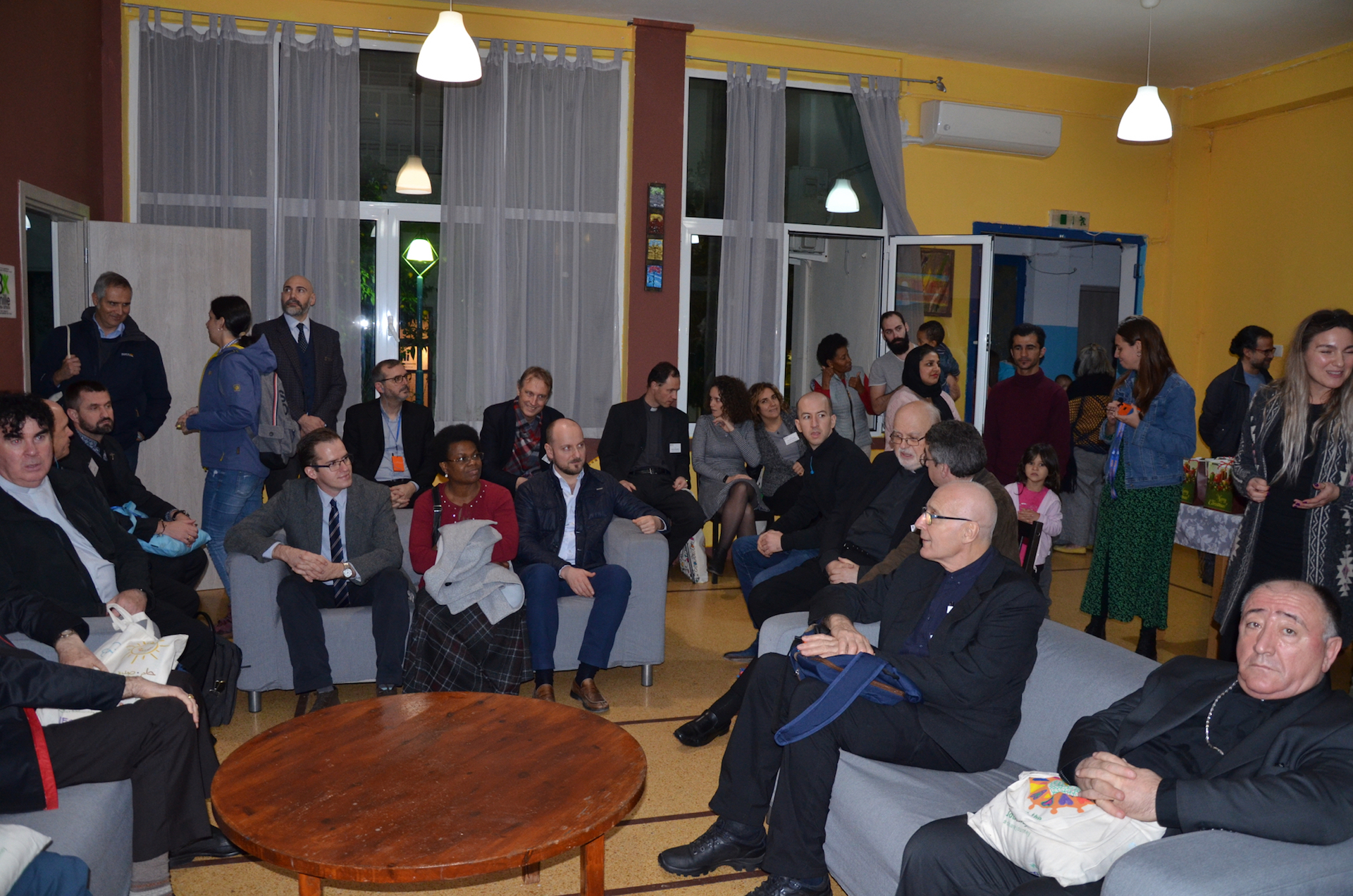
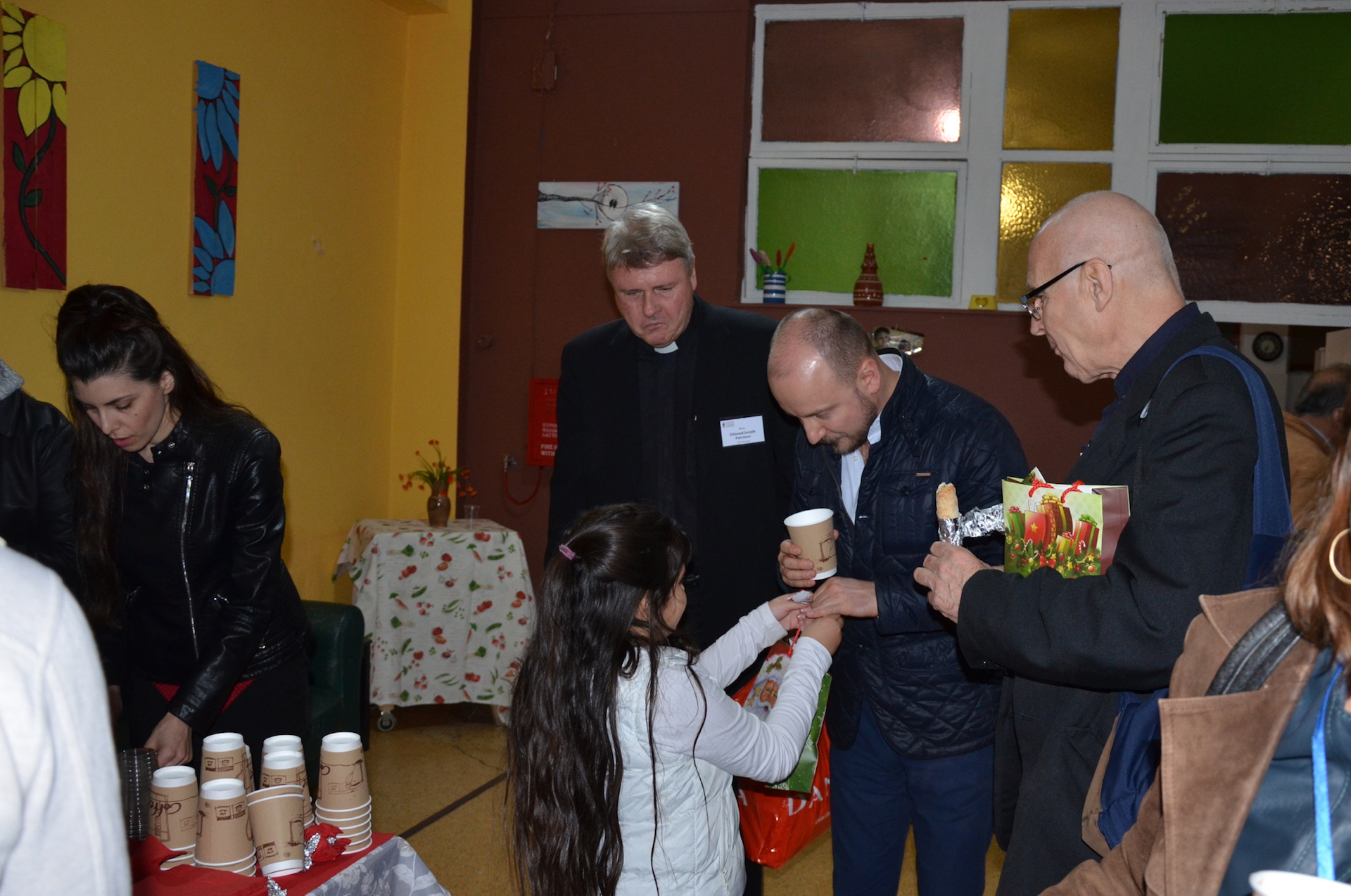
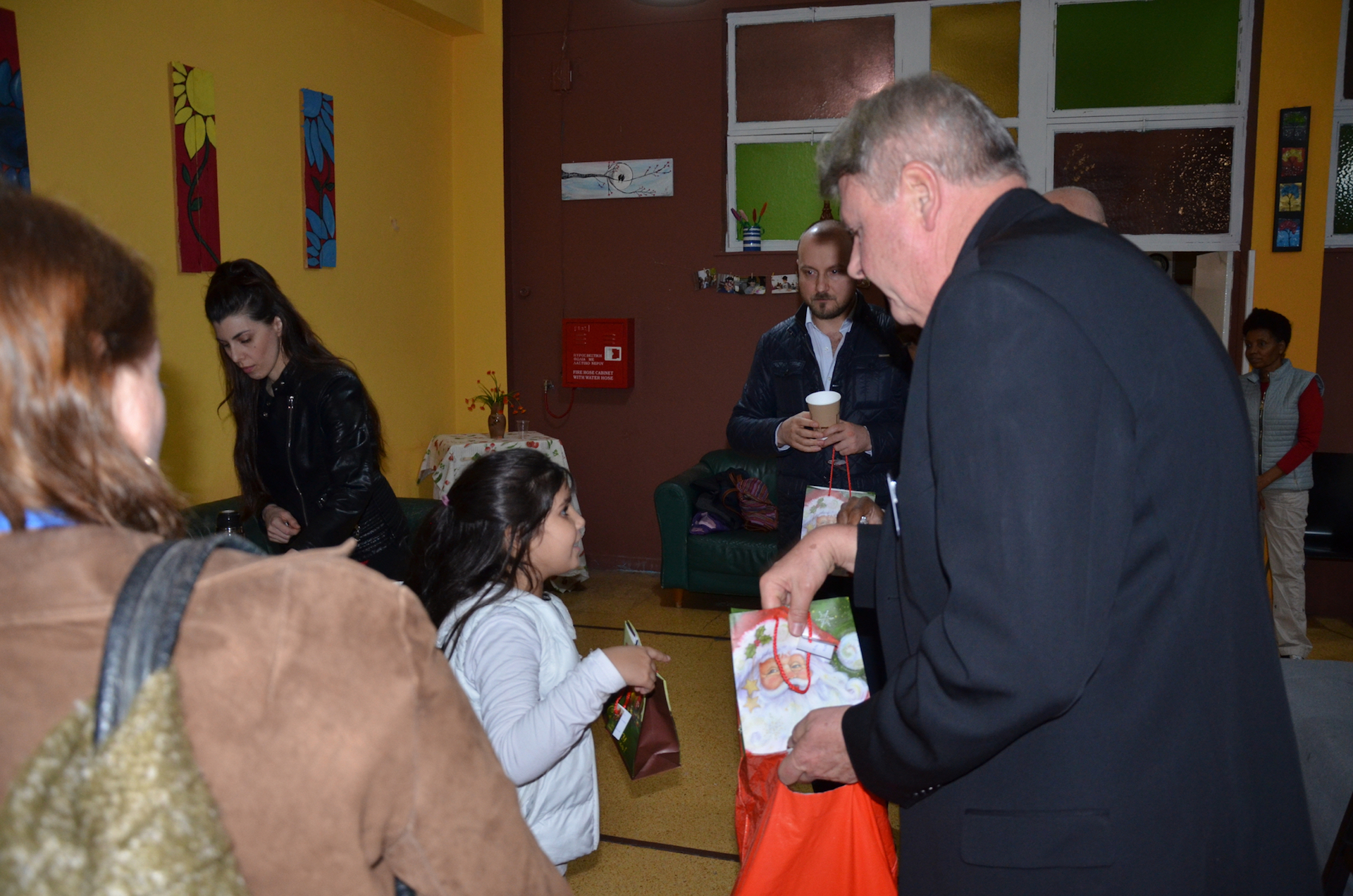
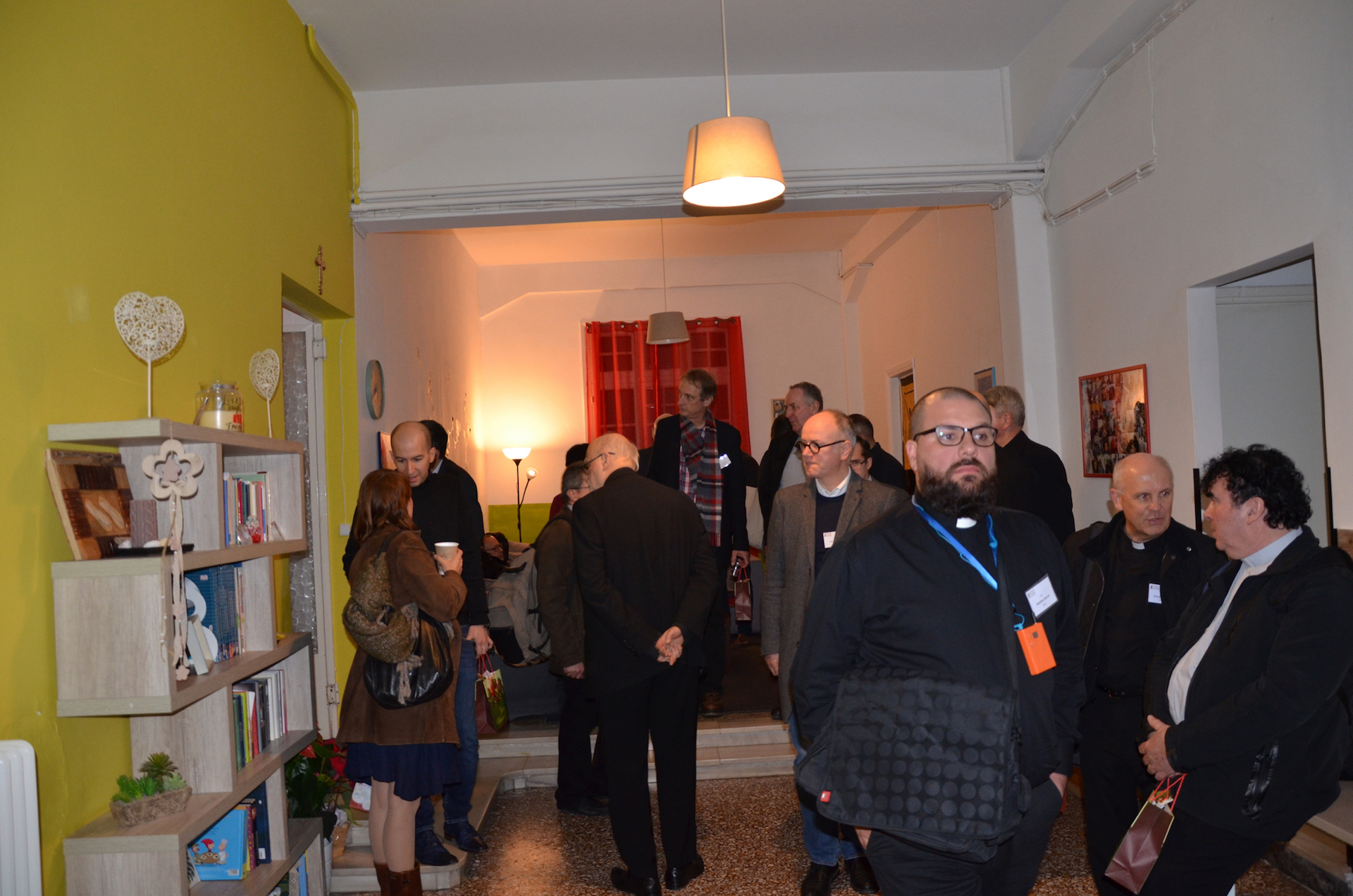
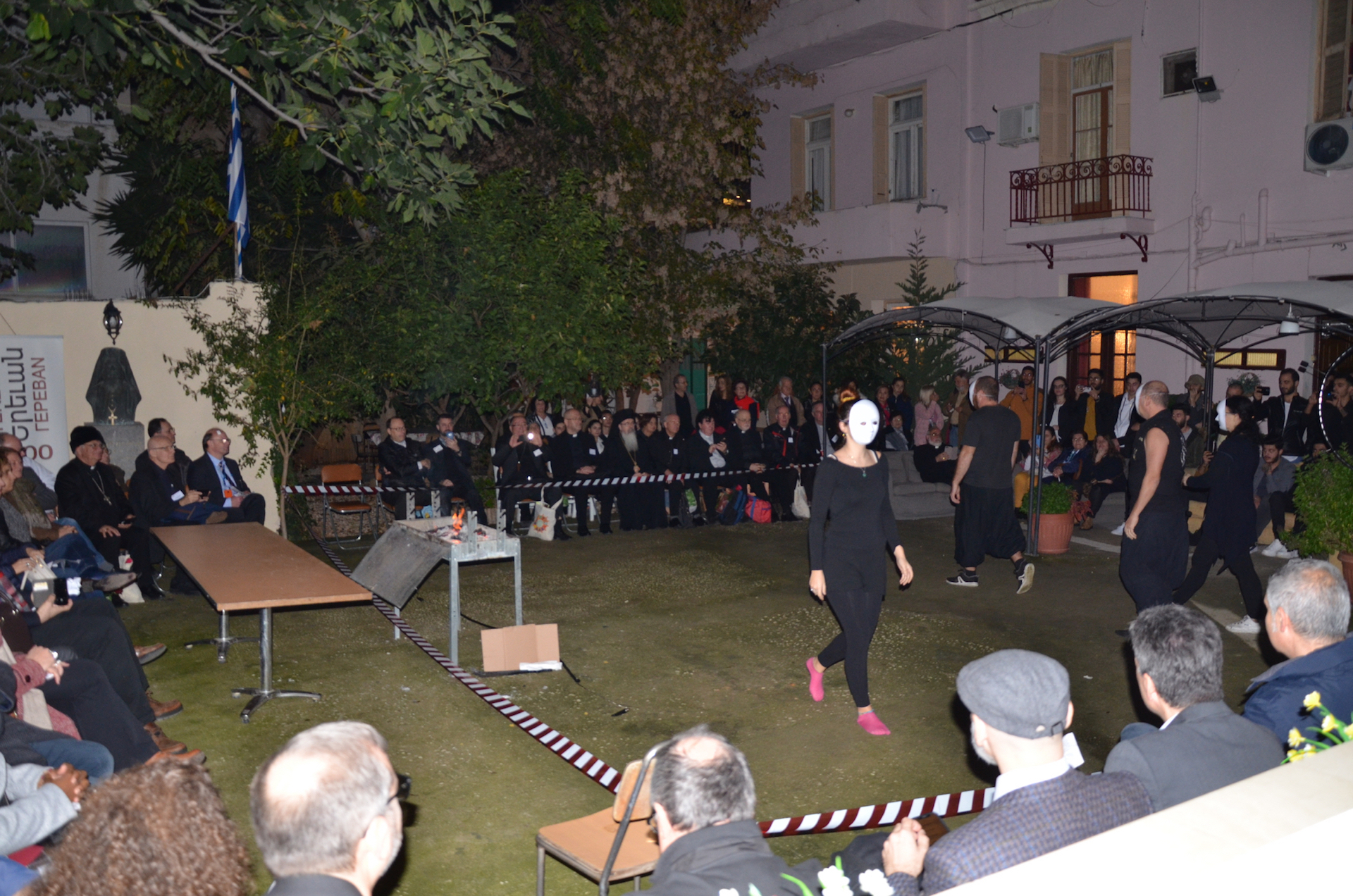
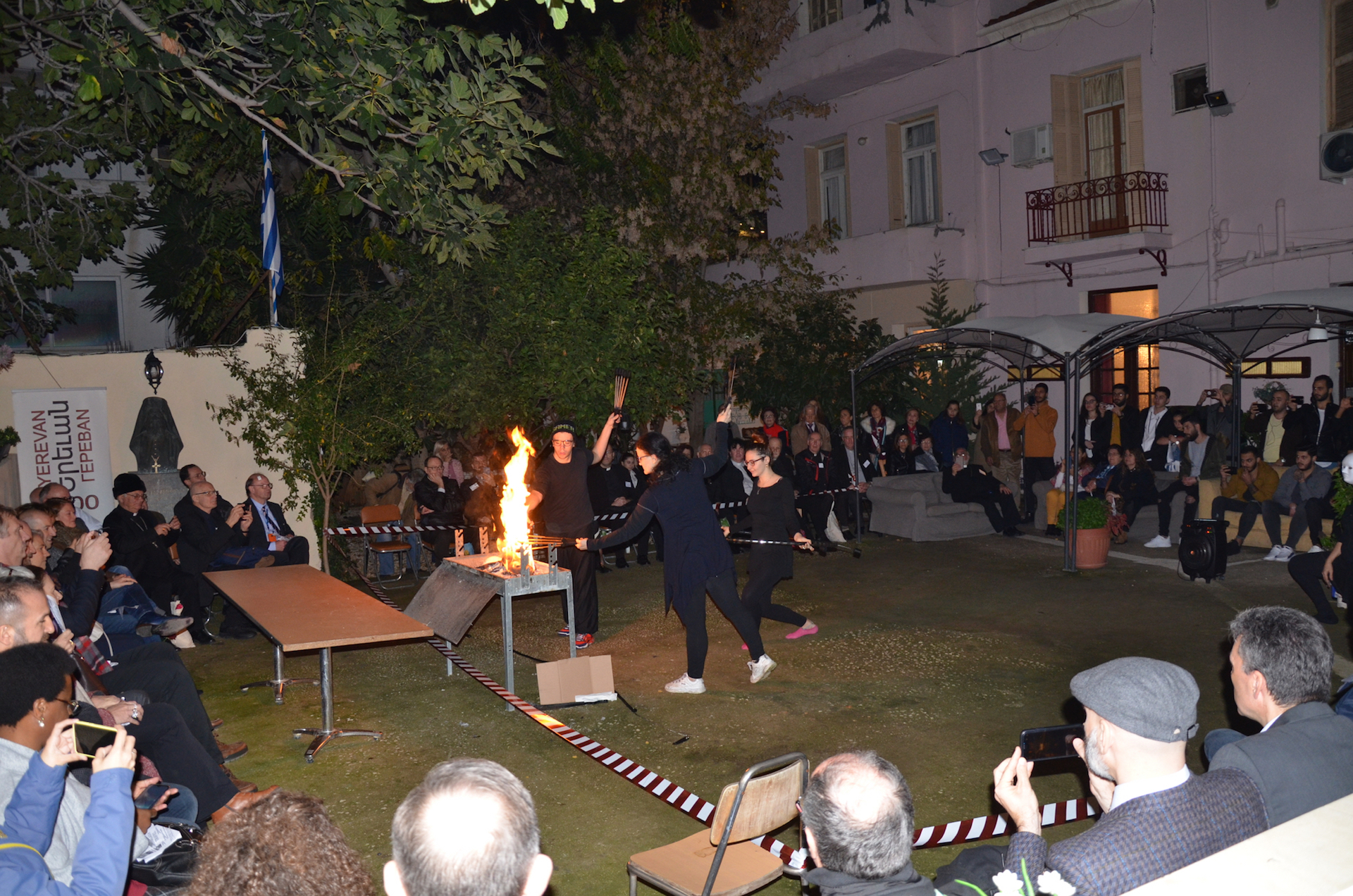
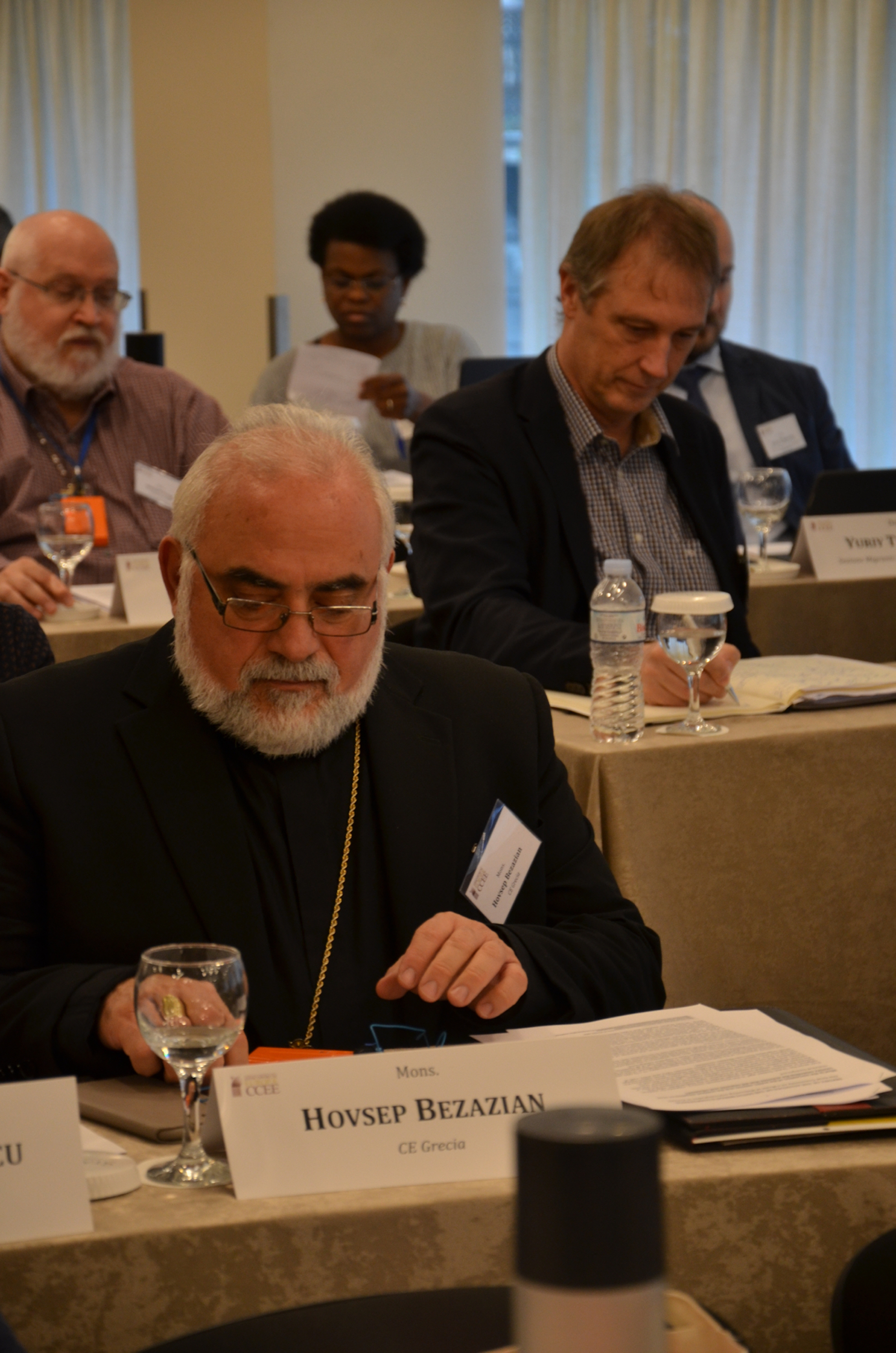
Father Ioannis Patsis, Vice-President of Caritas Greece recounted the great welcoming work that has been happening in Greece from 2015 until the present day. The two morning presentations were given by Mgr Hovsep Bezazian, Apostolic Administrator of the Armenian Catholics in Greece, whilst in the afternoon the meeting participants visited some of the migratory realities of Athens: the Bethlehem Hut, a home for the homeless of the Pope John XXIII community, which also runs a family home there; the premises of the Armenian Catholic Ordinariate where refugees are received; the Social House in the Neos Kosmos district, which offers long-term and short-term accommodation largely to families and people who are waiting to be granted refugee status whilst also hoping to rejoin relatives living in other countries or to continue their journey of hope to other destinations.
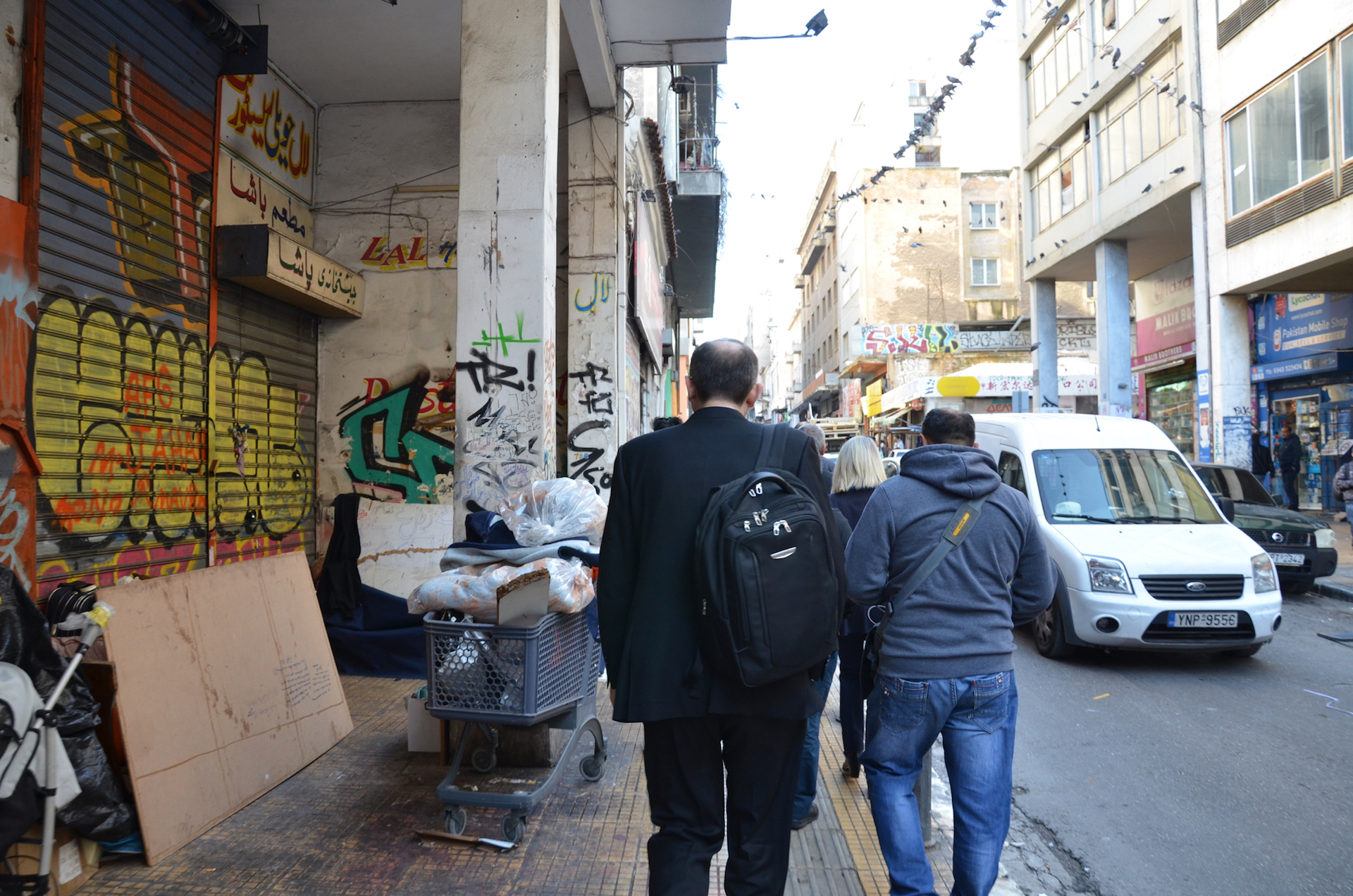
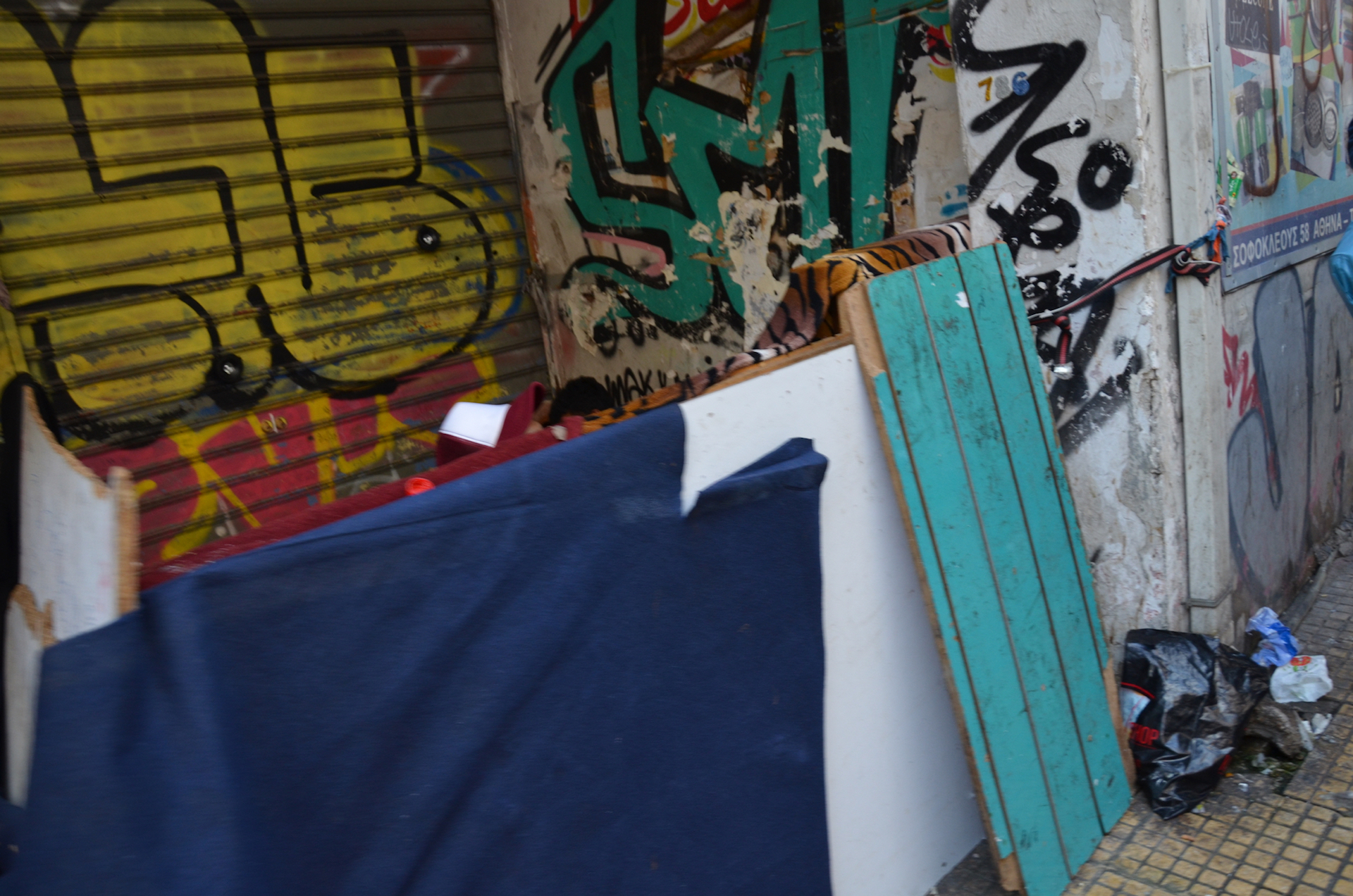
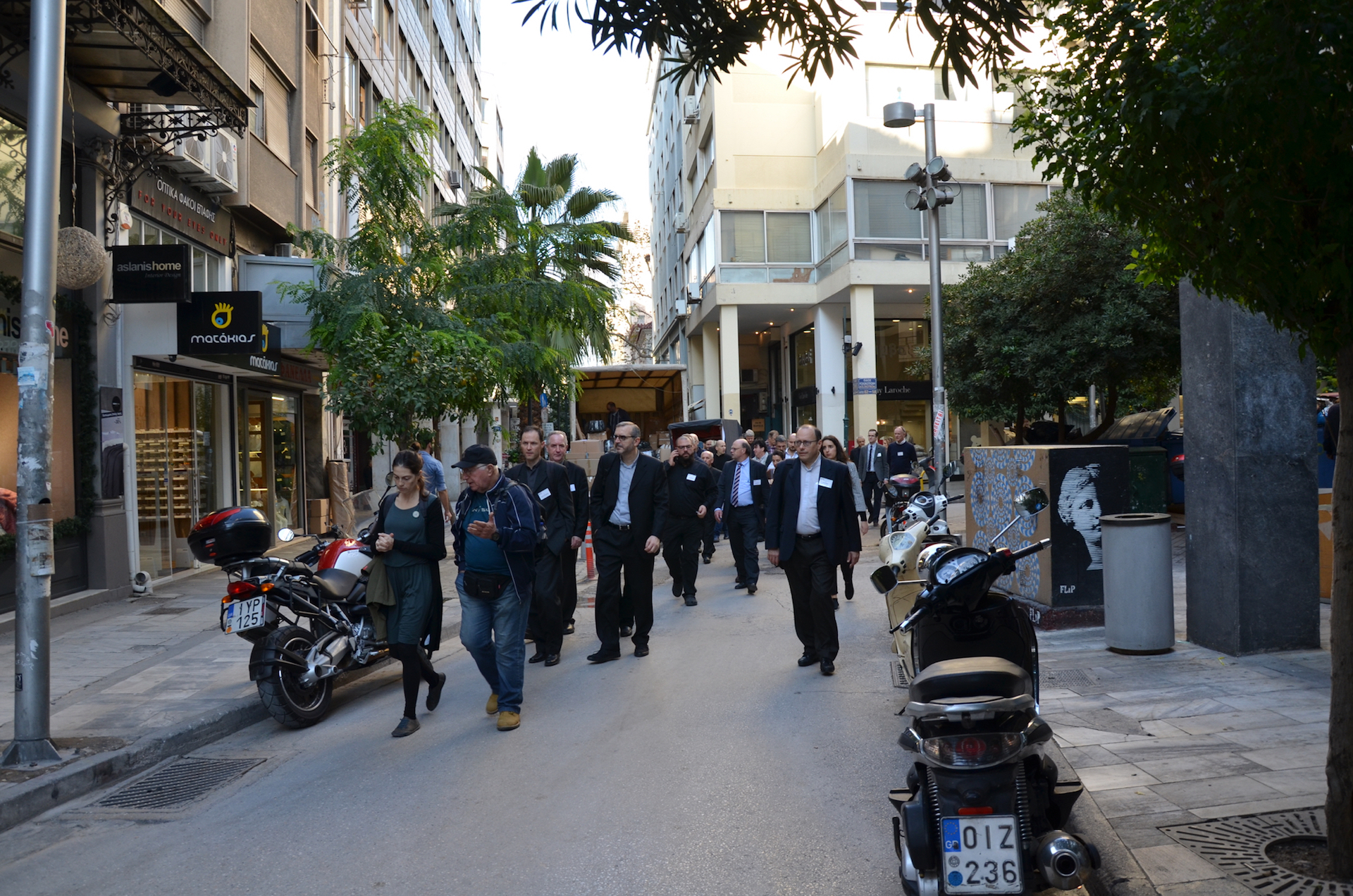
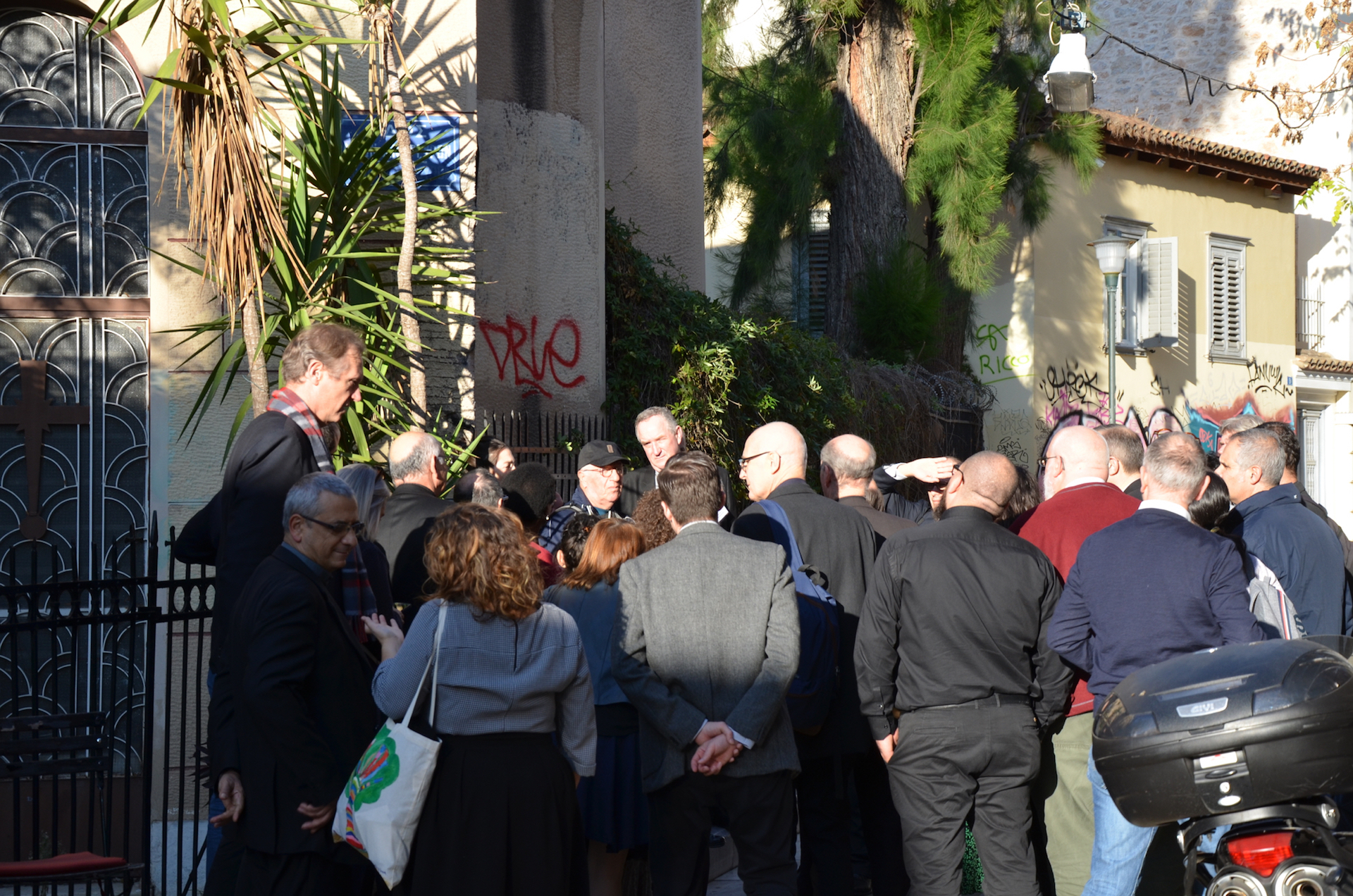
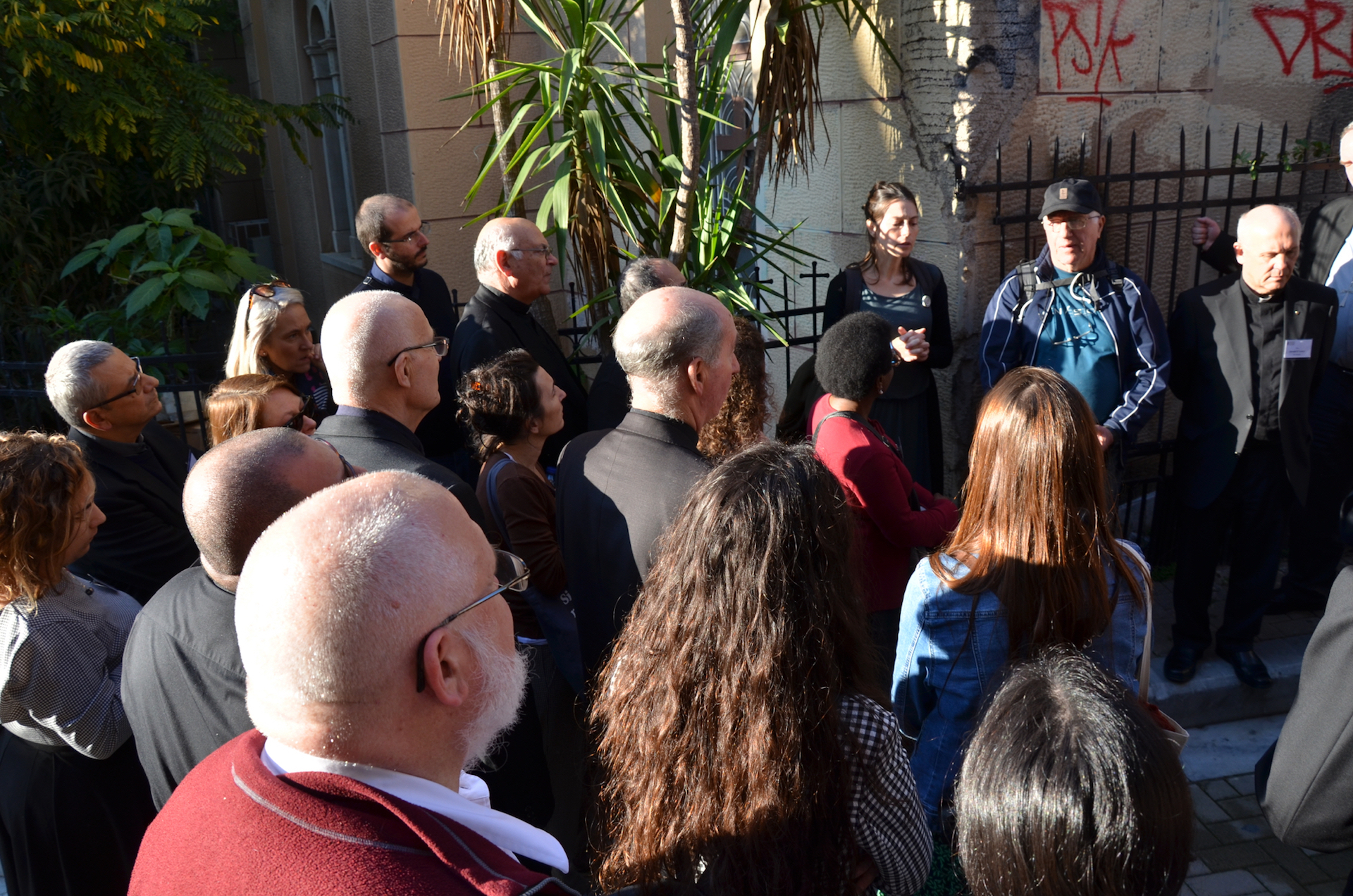
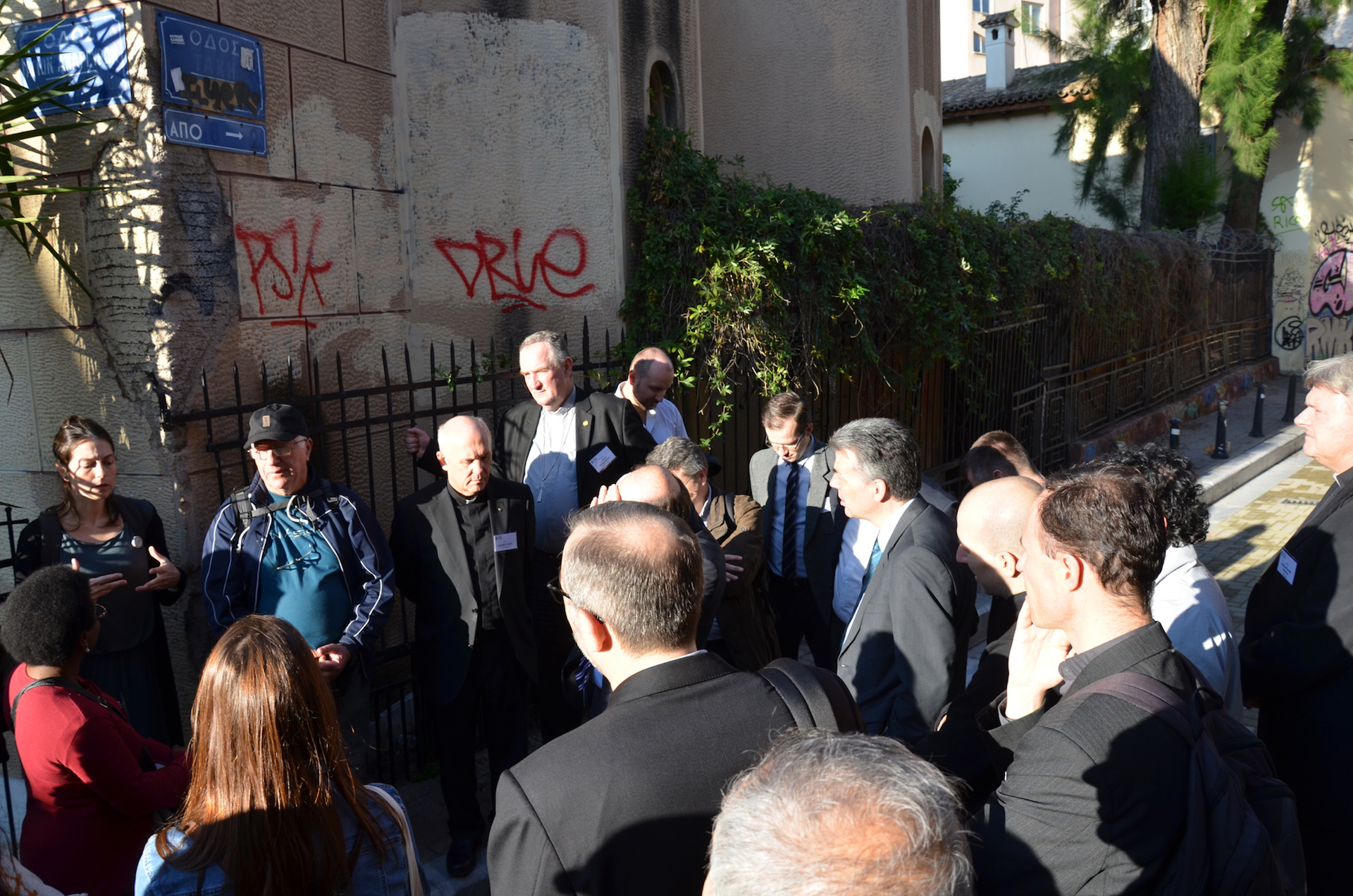
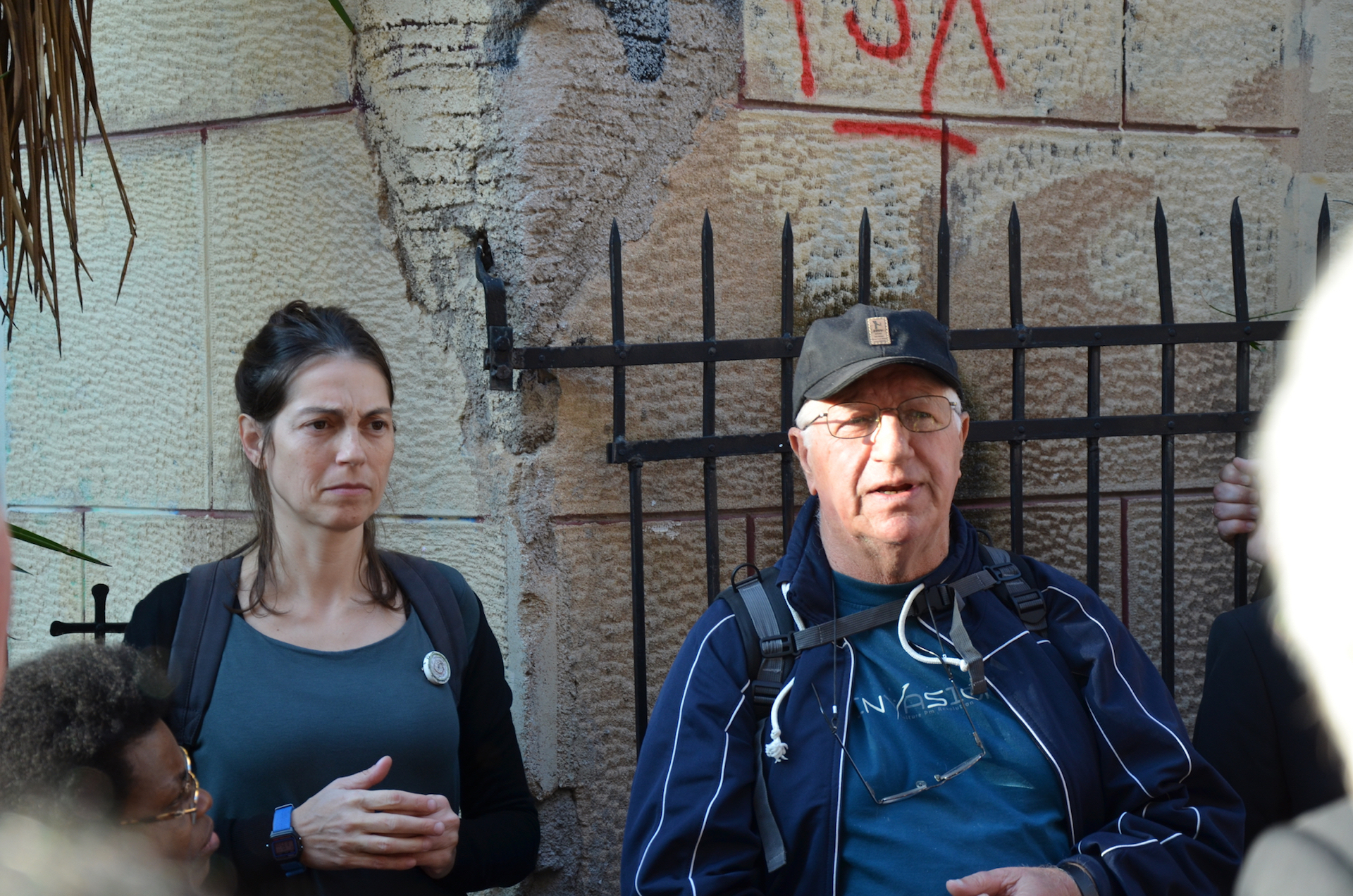
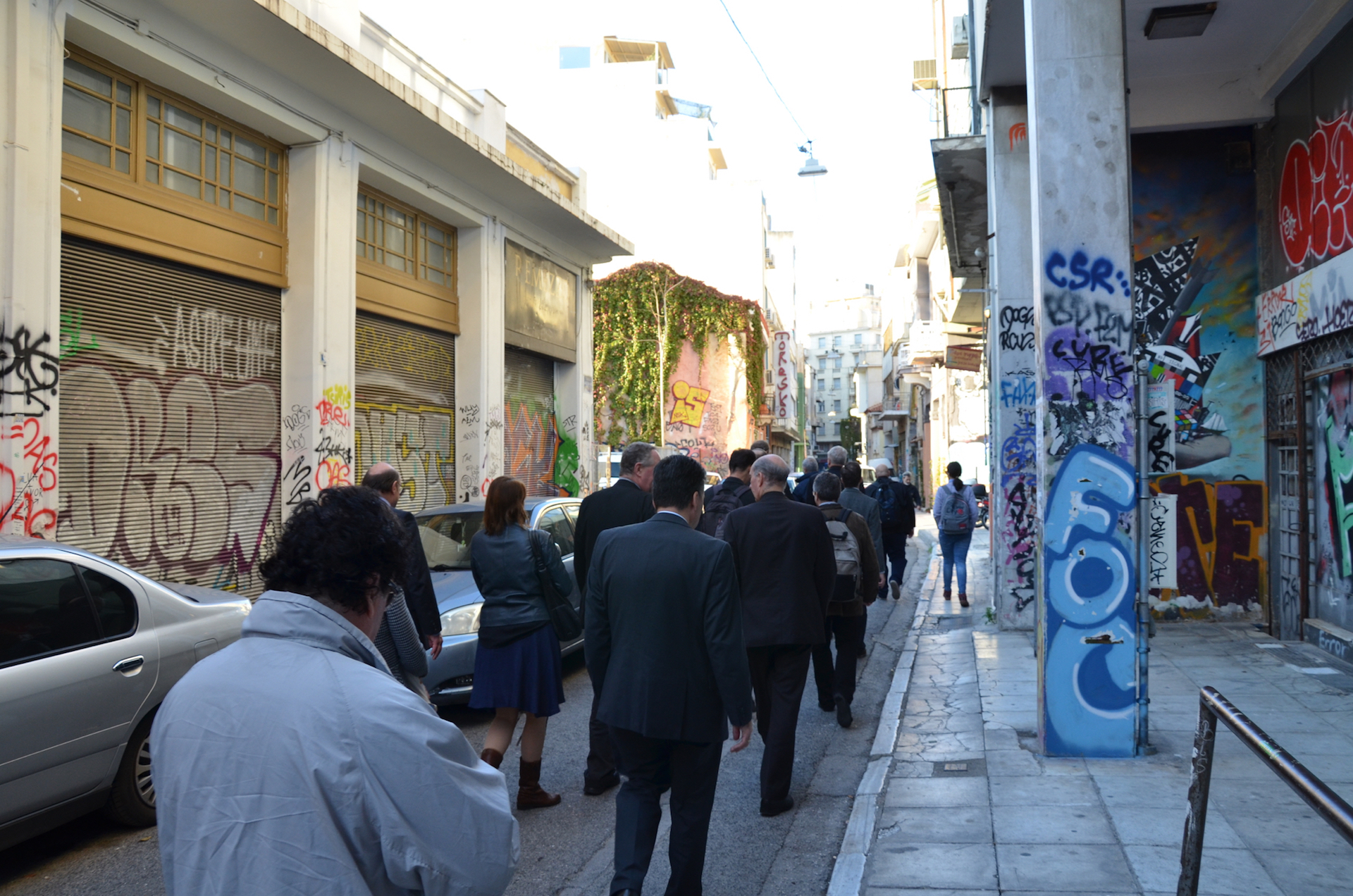
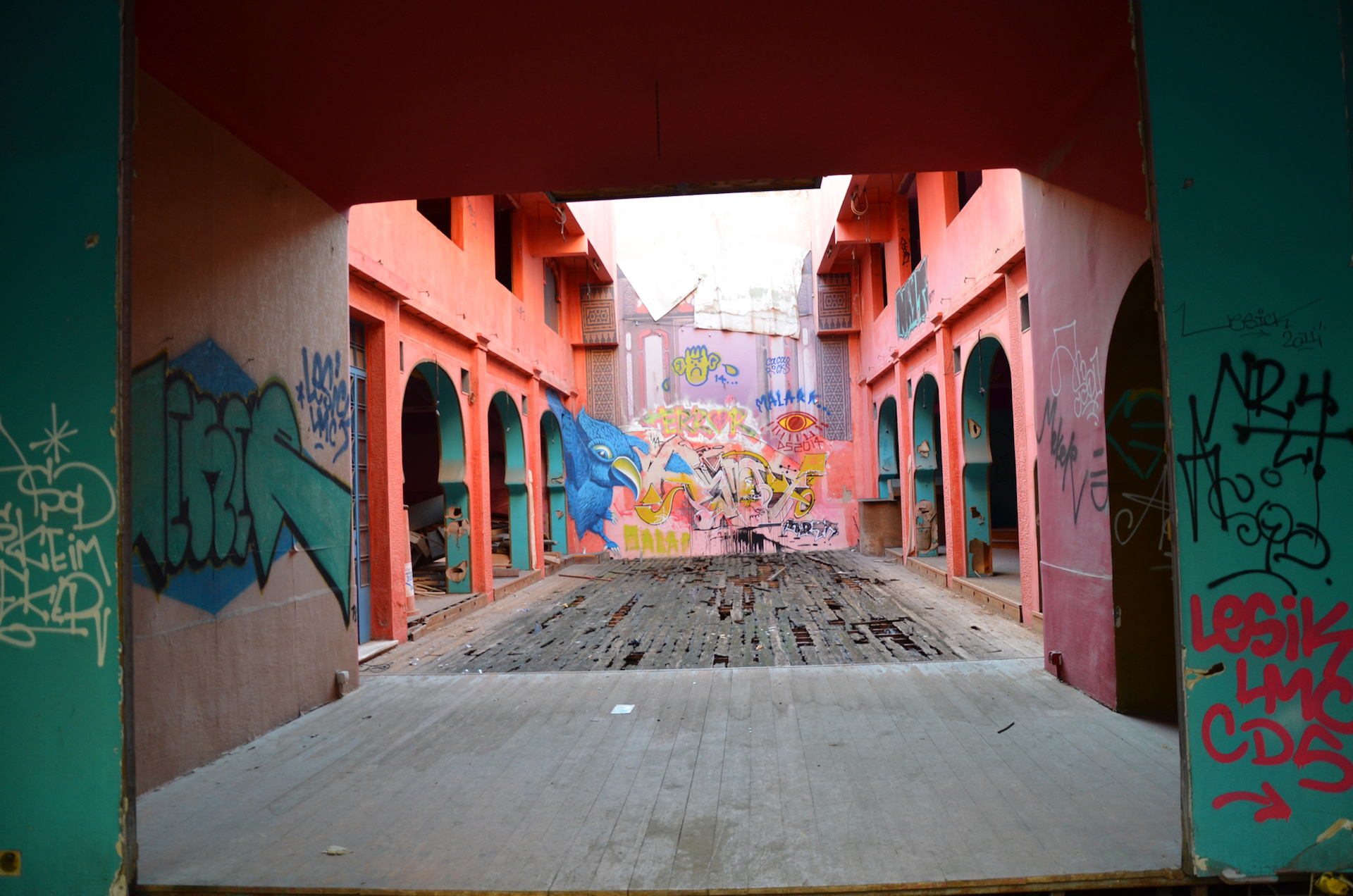
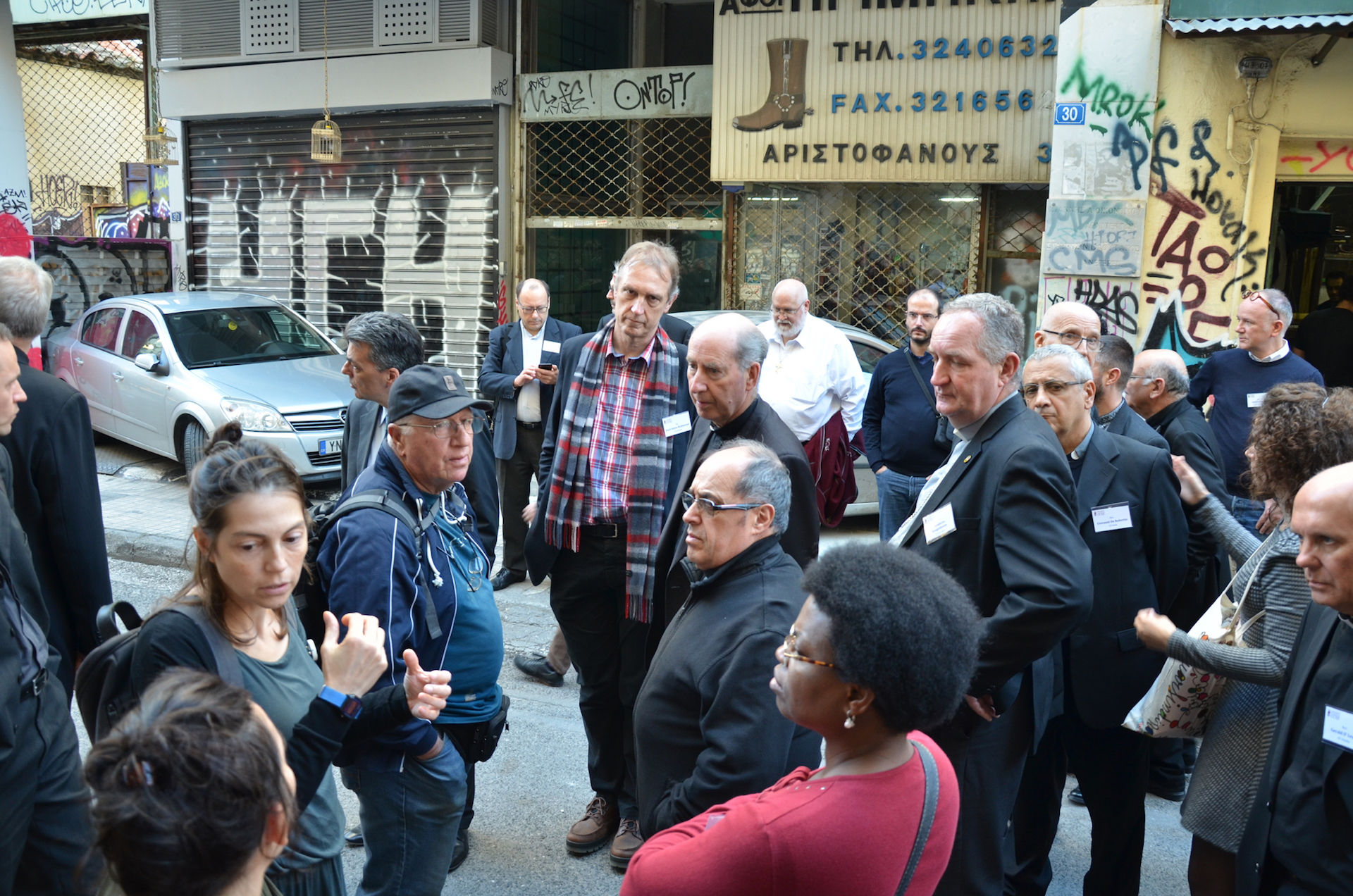
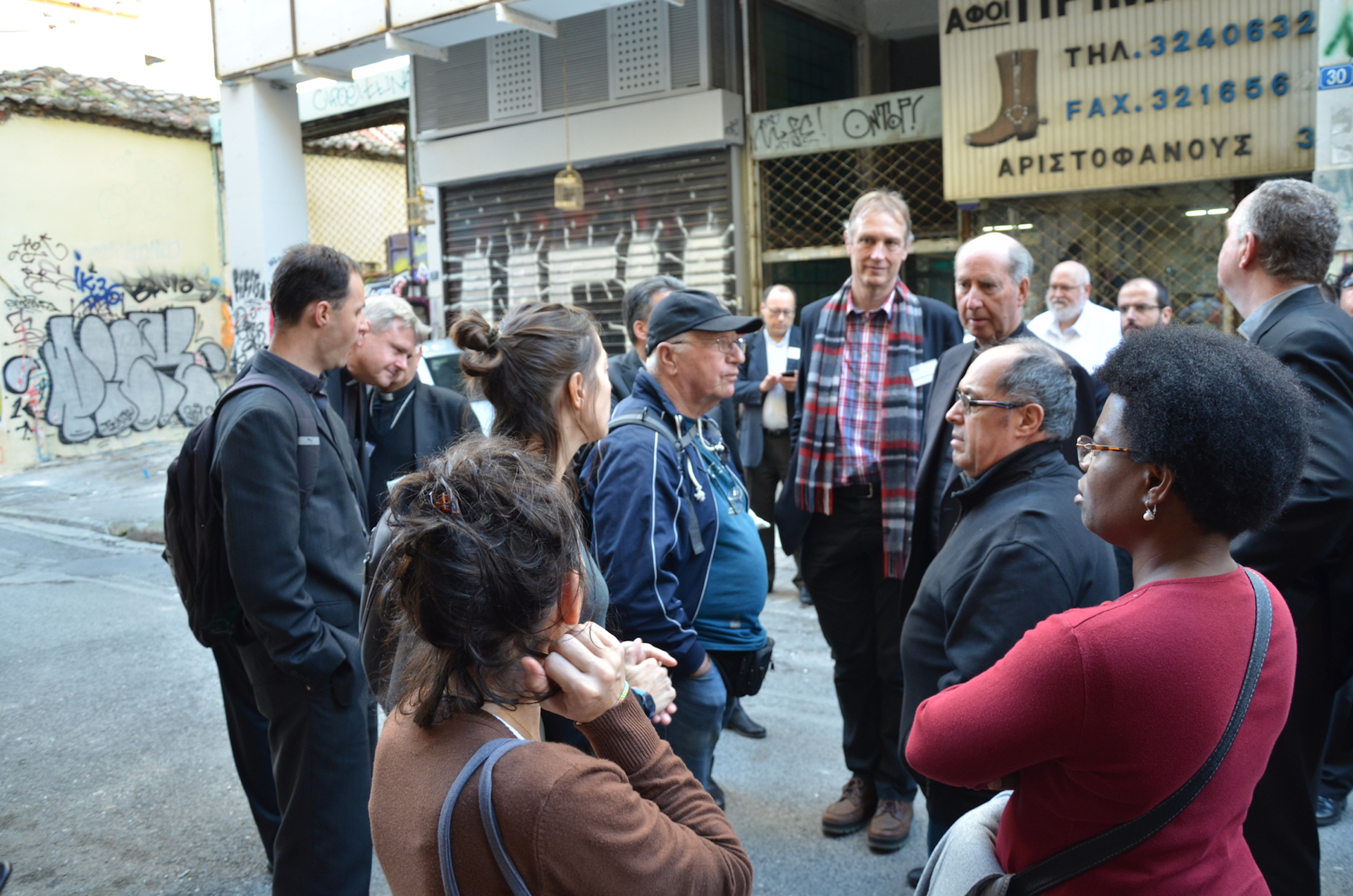
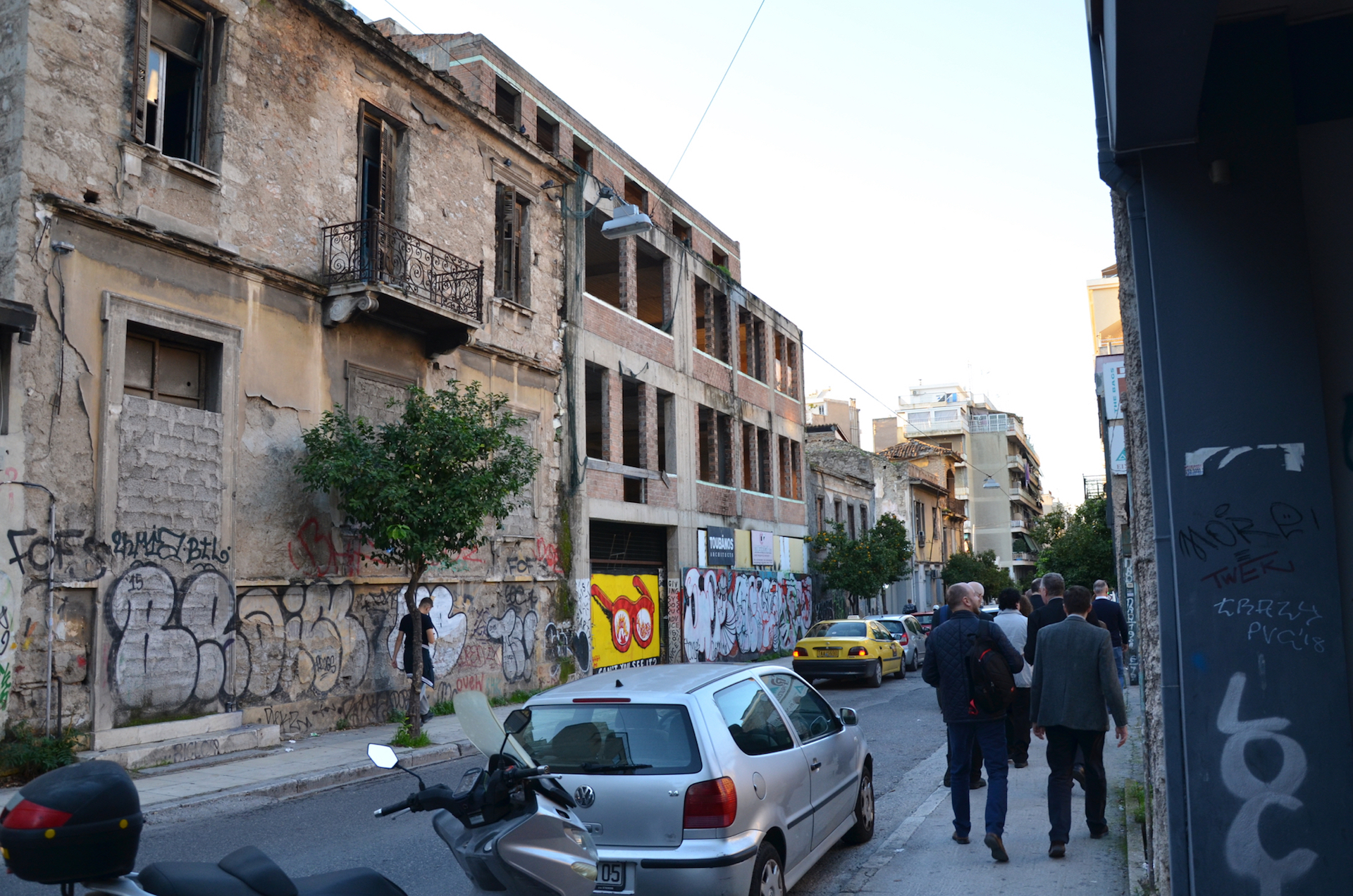
Also interesting was the ‘invisible path’ through the alleys of Athens, a social project run by the Greek street newspaper “Shedia”, in which the homeless become tourist guides in a very different type of city walk. It becomes a personal story through which to communicate their own experience of street life and share information about the changing face of homelessness and social exclusion, and the challenges faced by solidarity organisations that are again at the forefront of the battle against poverty and social exclusion, in an attempt to safeguard individual and collective dignity.
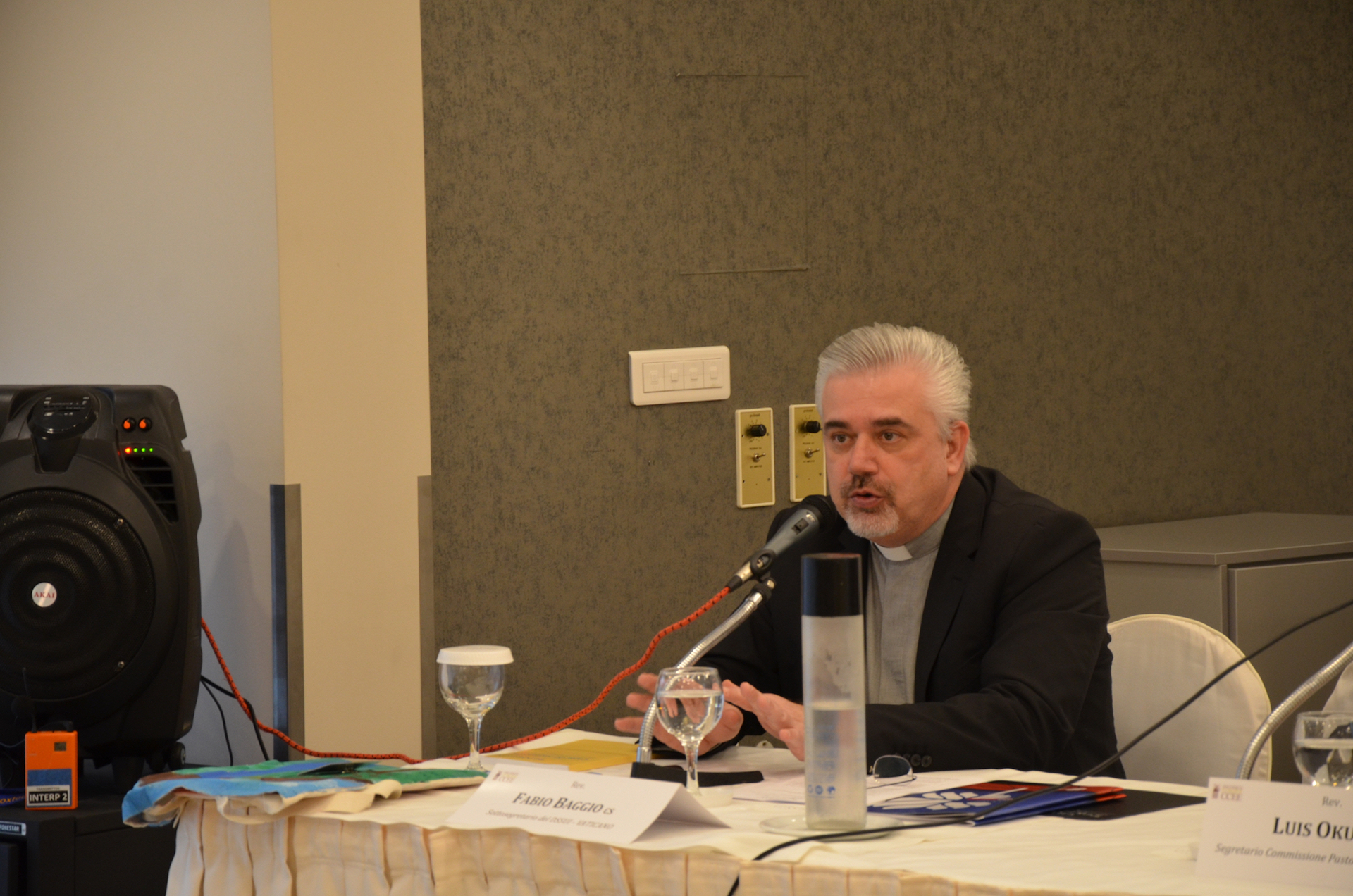
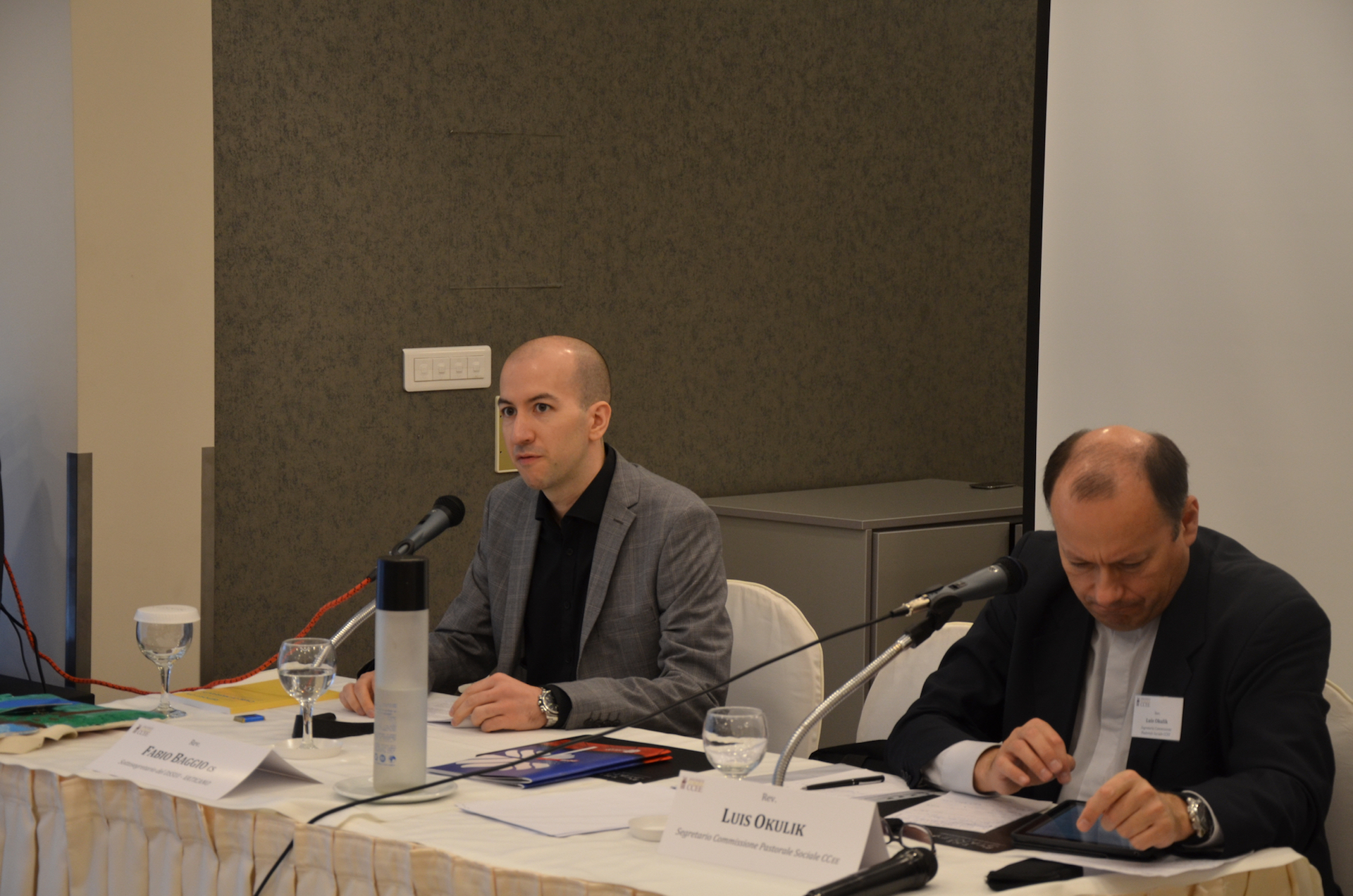
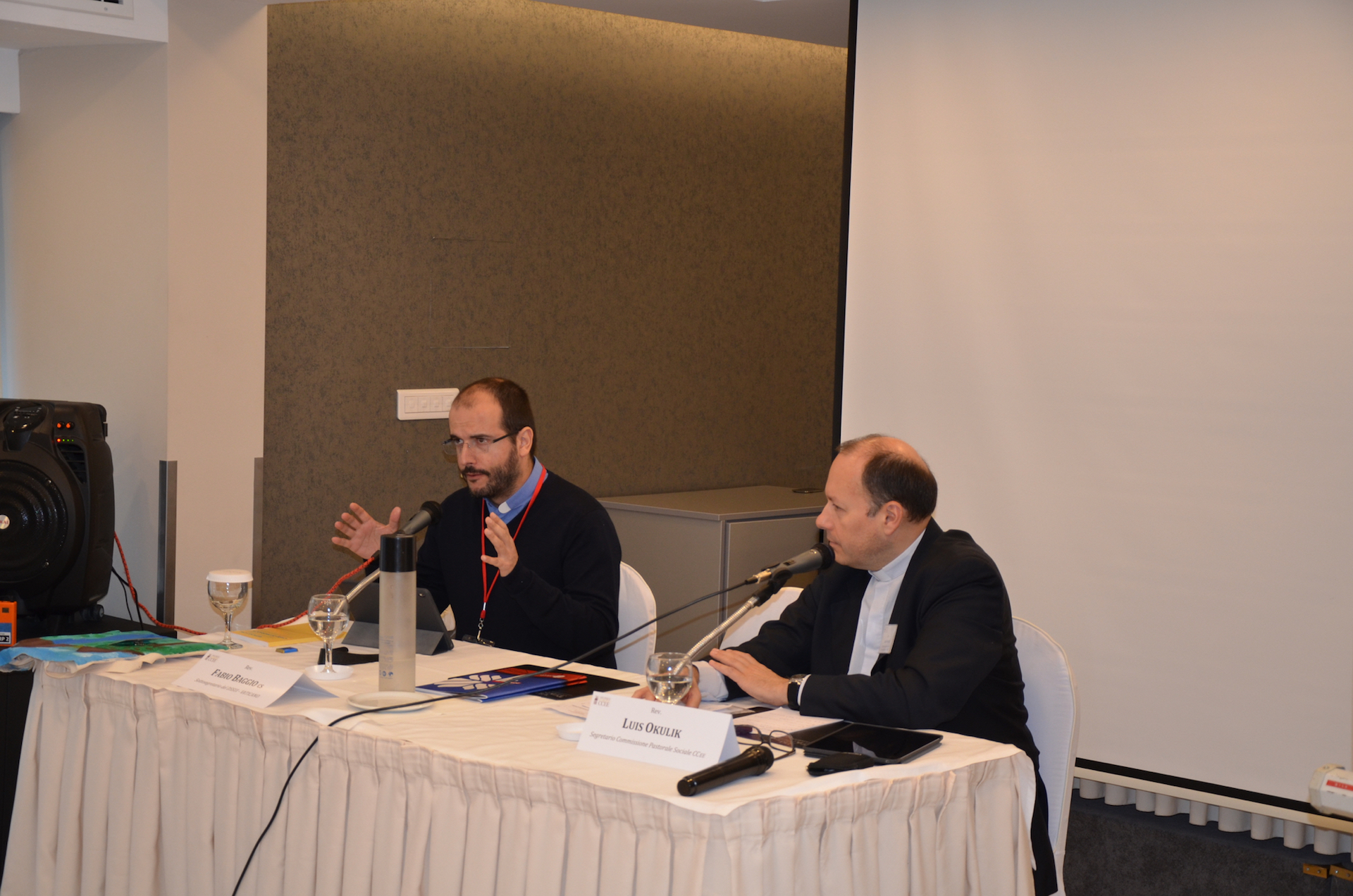
“Welcoming and Integrating: The Commitment of the Migrants and Refugees Section” was the title of the speech with which Father Fabio Baggio, Under-Secretary of the Migrants and Refugees Section of the Vatican Department for the Service of Integral Human Development, presented the mission and service of the Migrants and Refugees Section based on the four verbs used by Pope Francis: welcoming, protecting, promoting and integrating. “The M&R Section, said Father Fabio, responds primarily to the will of the Holy Father to serve the local Churches – and in particular the Episcopal Commissions in charge of pastoral care for migrants – through the provision of reliable information, scientific assessments and theological reflections on issues of competence, the formulation of pastoral guidelines and assistance in developing appropriate and effective responses to the challenges posed by contemporary migration in accordance with the social doctrine of the Church.
And he continued: “As far as the verb ‘to welcome’ is concerned, the construction of new walls, the closure of borders and the refusal of aid reveal the disastrous logic of the culture of waste and the globalisation of indifference. In Lampedusa the Holy Father launched a clear appeal: “The globalisation of indifference makes us all ‘unnamed’, without a name or a face. … But reality is also made up of outstretched hands, open doors, courageous rescues and generous hospitality. This is why, in migrants and refugees who undertake ‘journeys of hope’, we can also see the opportunity to restore that solidarity which represents a duty of civilisation and equally, a Christian imperative.
To the verb ‘integrate’ we can link the challenge of the difficult coexistence between cultural expressions and very different traditions. The increasing differentiation of the origins of migratory flows has accentuated this difficulty, fueling among natives the fear of losing their cultural identity. But from a more theological perspective, the presence of many migrants and refugees from different countries represents a real opportunity for intercultural enrichment. The confrontation with other cultures and traditions is in fact an incentive to rediscover and reaffirm one’s own identity, in the discernment of the ‘non-negotiable’ elements, under the banner of that which is essentiality intrinsic to our Christian vocation”.
Finally, he presented the report on the pastoral care of migrants in Europe: “During 2018, the M&R Section, in collaboration with the Council of European Bishops’ Conferences (CCEE) and the Commission of Bishops’ Conferences of the European Community (COMECE), conducted a study to gather information on all the services provided by Catholic institutions and organisations – Bishops’ Conferences, dioceses, parishes, religious congregations, associations and foundations – to refugees, asylum seekers, migrants and victims of trafficking in the territories covered by the 39 CCEE members. The study was commissioned to the Catholic University of the Sacred Heart in Milan. The aim of this research was to document all the services rendered to refugees, asylum seekers, migrants and victims of trafficking in Europe during 2017 and to identify some ‘good practices’ of reception, protection, promotion and integration aimed at these same recipients. The data collected was fed into a report on the pastoral care of migrants in Europe which was published on the website of the M&R Section in mid-2019. The report consists of two sections: the first (quantitative section) provides a provisional mapping of the initiatives implemented by Catholic organisations and institutions in Europe; the second (qualitative section) offers a collection of 23 good practices divided according to the four verbs proposed by Pope Francis: welcoming, protecting, promoting and integrating”.